Medical fitness for offshore crane work isn’t covered by one universal timetable. An offshore crane operator medical fitness assessment must meet the standard required for the role and operating location; certificates are typically valid for two years for most workers, while those over 40 may need annual renewal, depending on the applicable standard and medical assessment.
It’s understandable to want clear answers before planning a medical or offshore mobilisation. The assessment considers whether your health supports the demands of crane operation, and a health condition or cardiac risk factor may mean further tests are needed. A D4 medical test takes around 15-20 minutes, although this is not a guaranteed duration for every offshore assessment.
This guide explains how applicable standards affect fitness certification, when age may change assessment frequency, what can influence appointment length, and why heart or lung conditions may require further examination. It also outlines what the assessment covers and how to prepare.
Key Takeaways
- Identify the offshore standard required for your role and operating location, as certificates and medical criteria can differ.
- Be ready for further checks if your health history or risk factors indicate that a basic assessment may not be enough.
- Use your age and employer requirements to plan renewal timing, and allow for more frequent assessments as you get older.
- Allow time for the assessment and any additional tests, especially if you have a health condition that needs closer review.
Further testing for some health conditions
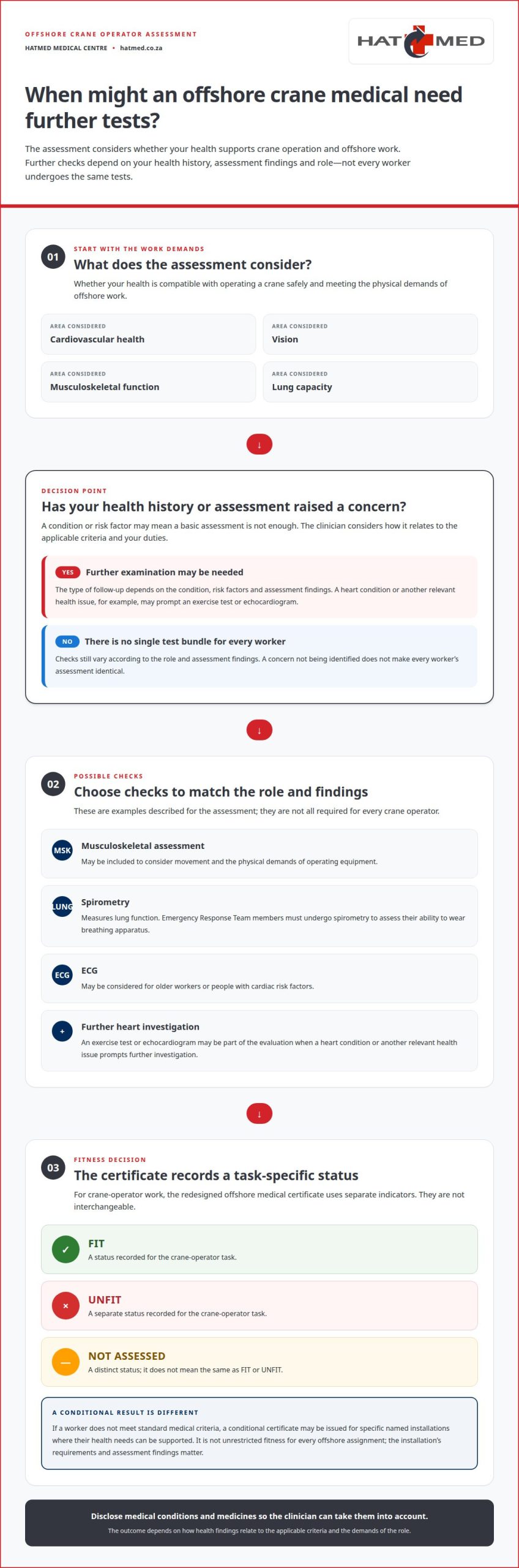
Further tests depend on your health history and any risks identified during the assessment. Cardiovascular health, vision, musculoskeletal function and lung capacity can all affect your ability to work safely as an offshore crane operator.
Medical tests in the assessment
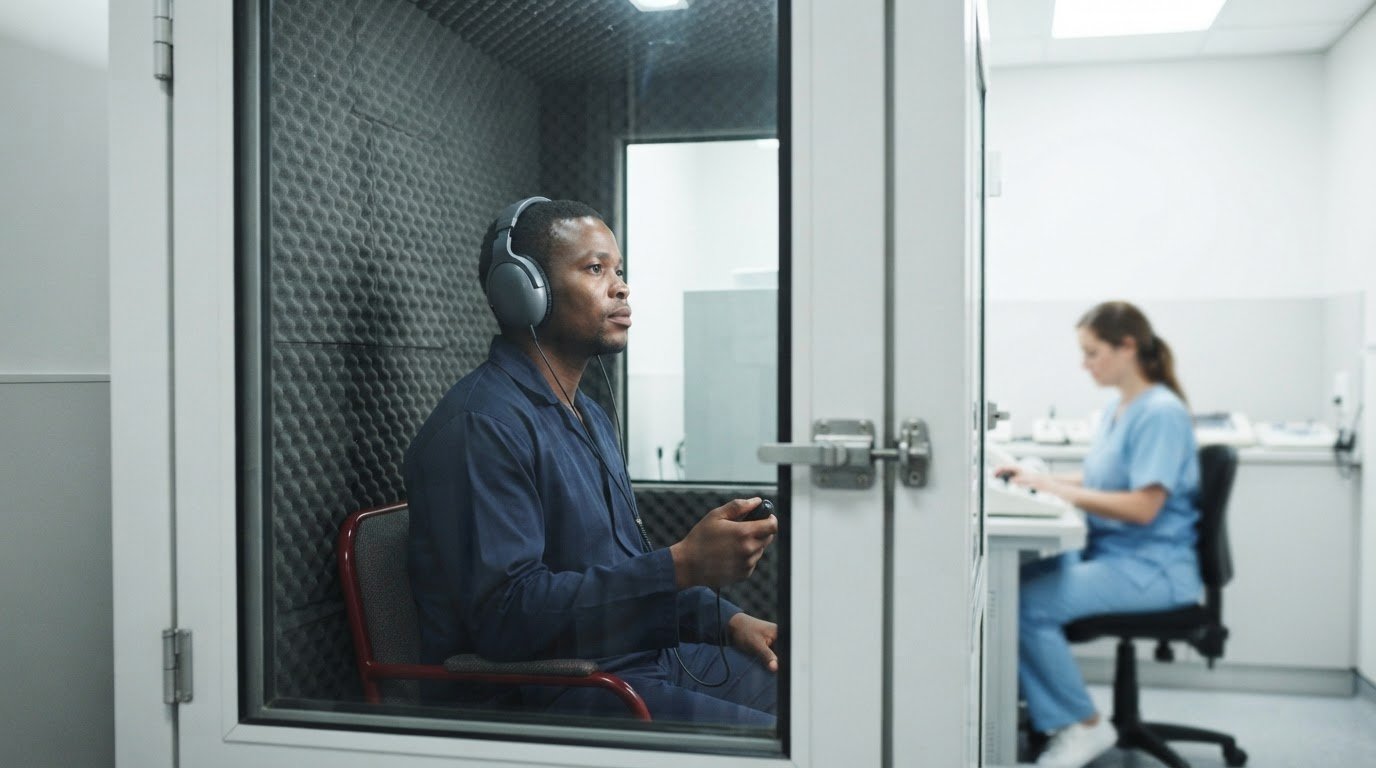
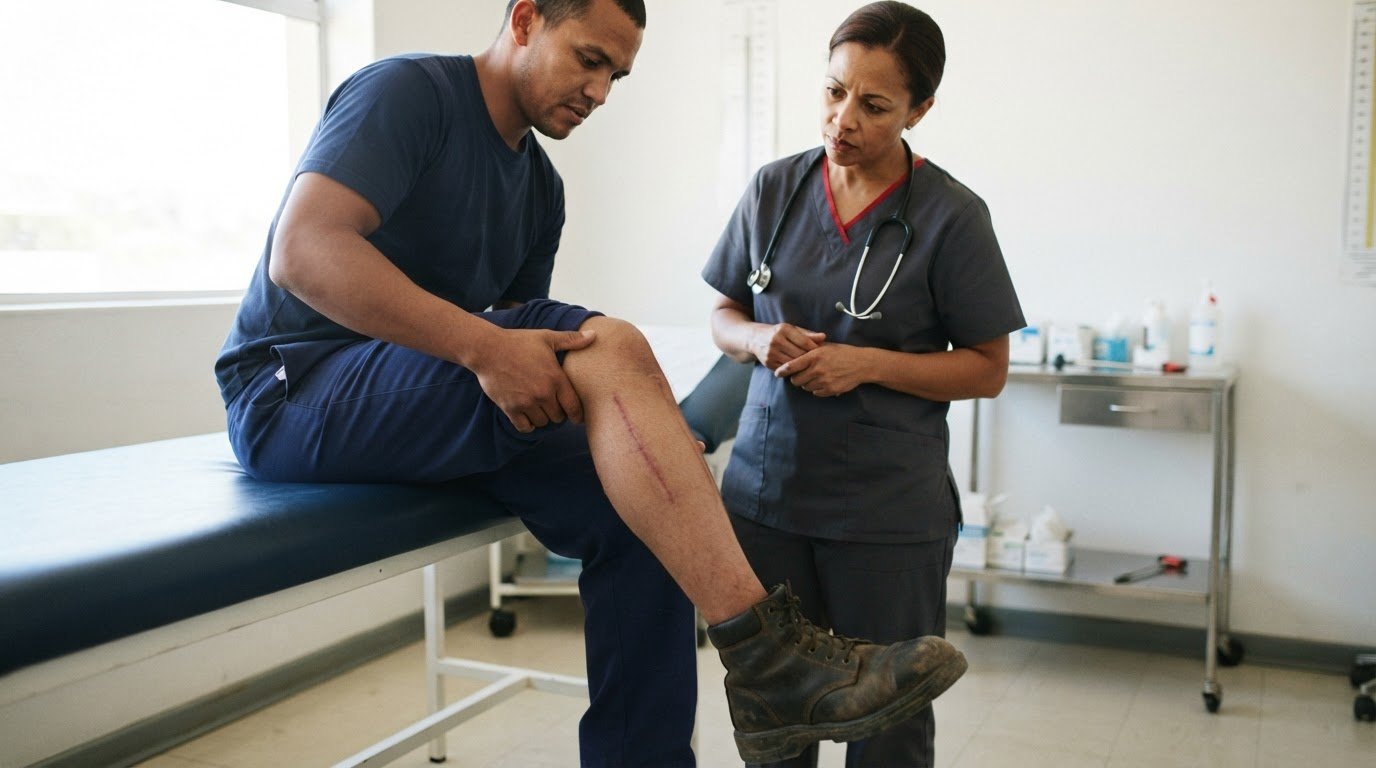
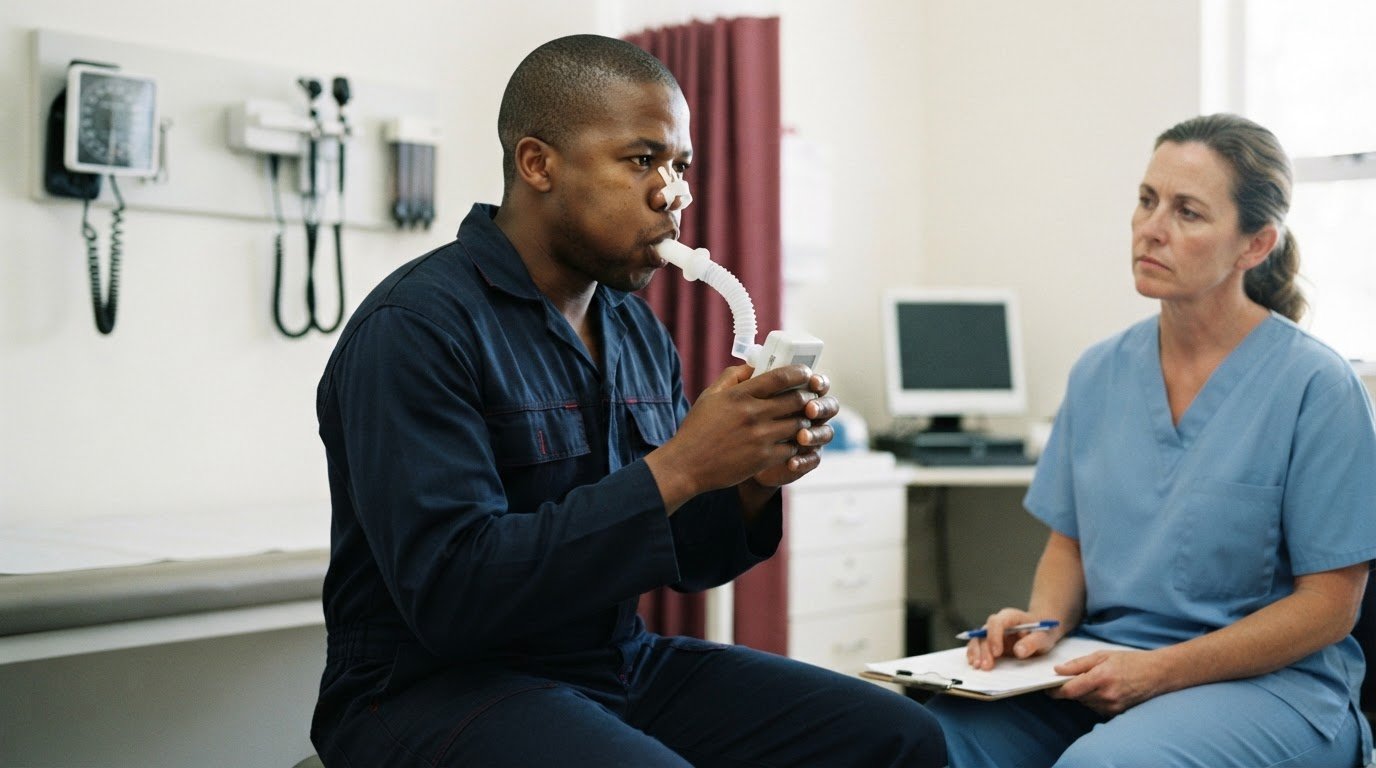
An offshore crane operator fitness assessment considers whether your health is compatible with the physical demands of operating a crane. It may include a musculoskeletal assessment and spirometry, a test that measures lung function. An ECG may also be considered for older workers or people with cardiac risk factors. Findings can indicate whether further investigation is needed before a fitness decision is made.
For example, a heart condition or another relevant health issue may prompt an exercise test or echocardiogram as part of a crane or forklift medical evaluation. Emergency Response Team members must undergo spirometry to assess their ability to wear breathing apparatus. Tests vary according to the role and assessment findings, so every worker does not necessarily undergo the same checks.
Conditions affecting fitness for work
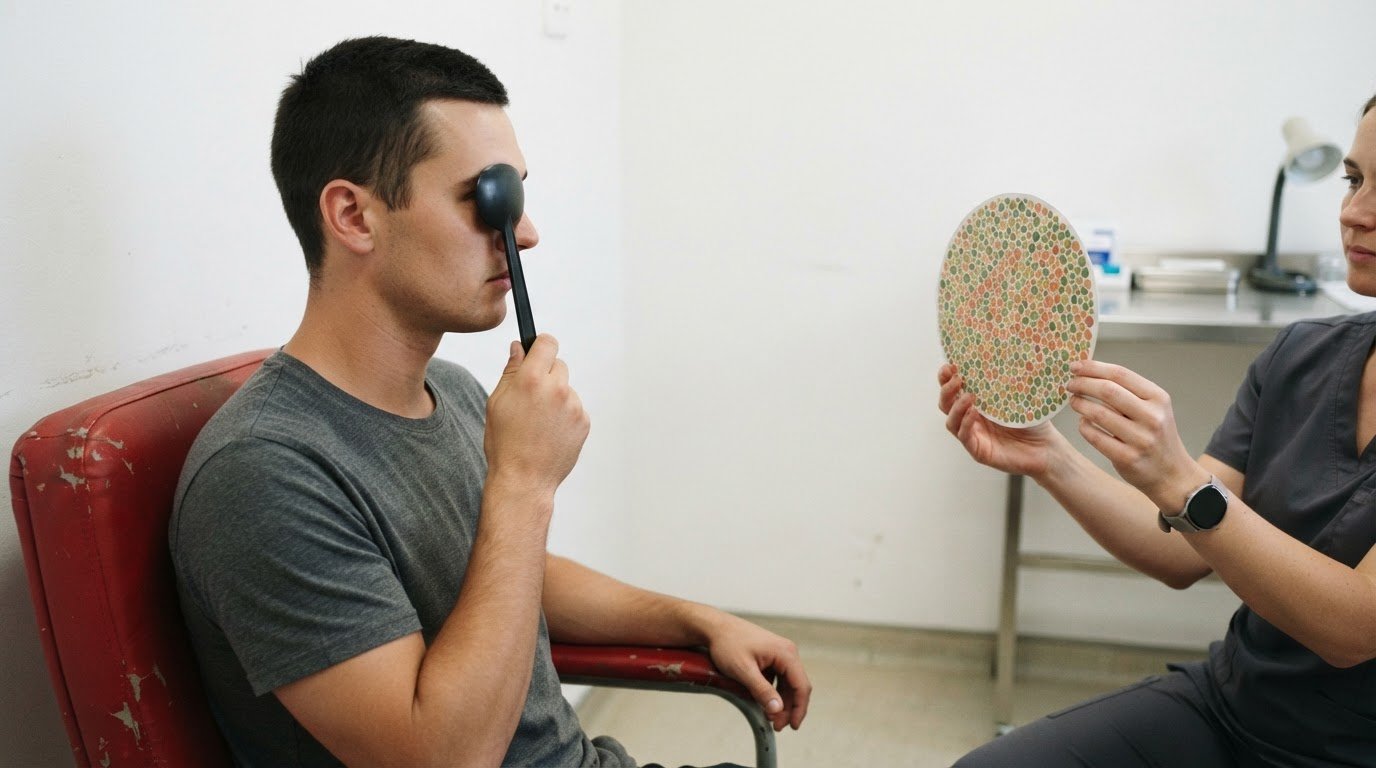
A health condition may affect fitness if it limits safe crane operation or the physical demands of offshore work. Cardiovascular concerns may lead to additional tests, while musculoskeletal limitations can affect equipment operation. The assessment also considers vision, since crane operators need to perform their duties safely.
No single condition automatically disqualifies every operator in every case. A heart condition, reduced lung function or restricted movement may require further examination; the outcome depends on how the condition relates to the applicable criteria. Disclose your medical conditions and medicines so the clinician can take them into account.
If the assessment identifies a concern, further examination may be needed before a fitness decision is recorded. The redesigned offshore medical certificate uses task-specific FIT, UNFIT or NOT ASSESSED indicators for crane-operator work. Each records a different status for that task, so the indicators are not interchangeable.
An offshore worker who does not meet standard medical criteria may receive a conditional certificate for specific named installations where their health needs can be supported. This is not the same as unrestricted fitness for every offshore assignment. Interpret a conditional result in light of the assessment findings and the installation’s requirements.
Industry standards and regulations
Offshore crane operators need valid medical fitness certification before starting offshore work. The applicable standard depends on the operating sector and the requirements of the employer or certifying authority. A standard used for one destination may not apply to every offshore installation. For South African workers, confirm the certificate requirements for the specific assignment before arranging an examination.
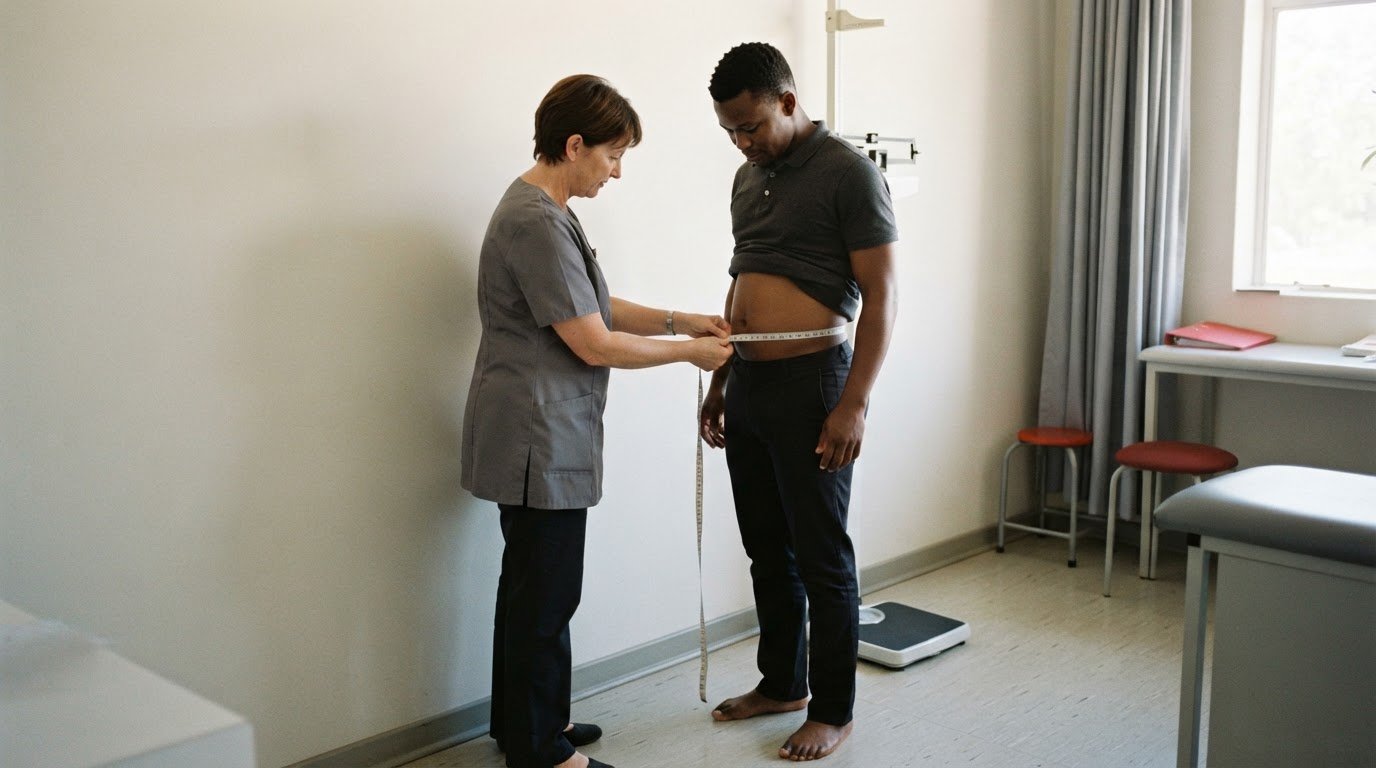
OEUK Issue 8 took effect on 1 November 2025 and applies to the UK offshore sector. Its maximum clothed weight limit is 124 kg. From 1 November 2026, anyone weighing more than 124 kg is deemed unfit for work in that sector. These requirements are specific to UK offshore operations, not a universal South African rule. The destination determines whether they are relevant to your work.
Issue 8 removed routine urinalysis and routine audiometry from the standard offshore medical assessment. It also requires an in-person examination for certificates used to travel to Norwegian, Danish or Dutch sectors. If your work includes travel between sectors, the examination format can affect whether the certificate meets the destination’s requirements.
Under the described guideline changes, existing certificates remain valid until their normal expiry date and are not backdated. The change therefore does not automatically shorten an unexpired certificate. If you are moving between installations, consider the destination’s requirements and your certificate’s expiry date when planning mobilisation.
Medical certification is separate from operational competence. Operators must also meet QHSE requirements set by the employer or certifying authority and be capable of communicating and performing their duties safely. Lifting competence and any required offshore safety course address different parts of readiness; neither replaces a medical assessment. If a health concern needs attention beyond workplace criteria, you can discuss your health needs as part of your wider care.
Age-based medical assessment frequency
Age can affect how often a crane operator’s medical fitness is reviewed, but the applicable standard still matters. Offshore certificates are typically valid for two years for most workers. Workers over 40 may need annual renewal, depending on the standard and medical assessment.
Separate guidance for crane and forklift operators advises examinations at least once every 1 to 3 years below age 65. From age 65, annual medical assessments are advised. These intervals don’t replace offshore-sector requirements: the role, employer policy and relevant health findings also influence the schedule.
A South African seafarer or SAMSA medical and an offshore medical assess fitness against different work requirements. An offshore certificate may need to meet the standard for the destination sector, so one examination should not be assumed to satisfy the criteria for another. If you are heading to an offshore installation, establish which certificate your role requires.
Prepare by giving an accurate account of your health. Disclose medical conditions and medicines, and have relevant records available to discuss. A recent illness or surgery since your last renewal may mean you need a new offshore assessment before returning to work, particularly if recovery affects your expected duties.
Plan your assessment around mobilisation. Ideally, book an offshore medical four to six weeks before your planned departure to allow time for the examination and any further tests prompted by your history or results. If you take regular medication, note its name and dose so the clinician can consider it alongside your condition.
Record your certificate’s expiry date and your employer’s renewal requirements. For example, a worker with a two-year offshore certificate may still need an annual review because of an age-related or medical requirement. A significant change in health can also affect fitness before the certificate expires. Assessment frequency therefore depends on both age and the relevant work standard.
Assessment duration and delivery
A D4 medical test takes around 15-20 minutes on average. That figure applies to the D4 test, not necessarily to every offshore medical or the complete process of receiving a fitness decision. The assessment’s scope depends on the required standard and the health checks needed for the role.
If your medical history or an initial finding warrants investigation, the appointment may include additional steps. An ECG, spirometry, exercise test or echocardiogram, for example, adds testing beyond a basic examination. The clinician considers the results against the relevant fitness criteria; appointment length alone does not determine fitness.
Delivery requirements also depend on the offshore sector. Under OEUK Issue 8, a certificate is not valid for travel to the Norwegian, Danish or Dutch sectors if the certifying doctor did not examine the worker in person. This makes the format of the examination relevant, not simply whether a certificate was issued. Confirm that the assessment pathway matches the destination and role.
Medical fitness and crane competence assessments are separate processes. For example, a workplace Offshore Crane Operator Stage 2 assessment must be completed within one trip or hitch. That timeframe relates to the competence assessment, not the medical appointment. Completing a crane course or assessment successfully does not replace the medical fitness requirement.
Allow time for the examination and any further tests before mobilisation. Booking an offshore medical ideally four to six weeks in advance leaves room for additional assessment if needed. Share accurate information about your conditions and medicines, and bring relevant medical records. This helps the clinician assess what may affect safe work and whether further checks are needed.
If a health concern needs attention as part of your wider wellbeing, arrange a medical consultation.
Hatmed Medical Centre
Hatmed Medical Centre can support your wider health needs while you clarify which offshore medical standard applies to your crane role. A General Practitioner Consultation gives you an opportunity to discuss health concerns or medicines that may affect physically demanding work. For ongoing conditions, Chronic Disease Management can support continuity of care.
Hatmed also offers Seafarers / SAMSA Medical Examinations for seafarer medical requirements. These are distinct from offshore standards such as OGUK or NOGEPA, so the certificate you need depends on your role and operating location. A consultation can help you discuss your health history and the relevant medical pathway.
To discuss your health needs or a suitable Hatmed service, contact Hatmed Medical Centre.
Plan your next step with confidence
Before arranging an offshore crane operator medical fitness assessment, identify the required certificate and work location. This helps you understand which medical pathway applies and whether a health concern needs attention before mobilisation. Keep your planned duties in mind and discuss any health questions that could affect your readiness.
Hatmed Medical Centre offers General Practitioner Consultations, Immigration Medical Examinations and Seafarers / SAMSA Medical Examinations. Each serves a different medical need, so the right starting point depends on why you need an appointment. If a health concern may affect your plans, a consultation can help you consider the next step.
Contact Hatmed Medical Centre to discuss your medical needs. A clear plan can make it easier to approach your next work opportunity with confidence.
Frequently Asked Questions
Do I need to disclose all medications and medical conditions during the examination?
Yes. Tell the examining clinician about your medical conditions and medicines, including any recent changes to treatment. This helps them assess your health in relation to the work and decide whether further examination is needed. For example, disclose a heart condition even if medication currently manages it. Accurate information gives the clinician context for interpreting results and recording your fitness status.
What is an offshore medical?
An offshore medical assesses whether a person’s health is suitable for work in an offshore environment. For a crane operator, it considers health factors relevant to performing the role safely, not crane-handling competence. The assessment supports a task-specific fitness decision. It differs from a seafarer medical, which applies to a different work context and may not meet an offshore sector’s requirements.
What medical fitness standards apply to offshore crane operators in South Africa?
The applicable standard depends on the offshore work location and the requirements for the role. A South African worker assigned to the UK North Sea may need an OGUK medical, while Dutch North Sea work uses NOGEPA medicals. These are location-specific examples, not a single standard for all South African operators. Before the examination, establish which sector and crane task the certificate must cover.
Which regulations and industry standards govern offshore crane operator medical assessments in South Africa?
Requirements depend on the operating sector and the employer’s or certifying authority’s criteria. Relevant offshore medical standards include OGUK for UK North Sea operations and NOGEPA for Dutch North Sea operations. The employer or certifying authority also sets the role’s QHSE requirements. Distinguish medical fitness criteria from lifting competence rules: meeting one does not establish the other.
How often must offshore crane operators renew their medical fitness certificates?
For most workers, an offshore medical certificate is typically valid for two years. Workers over 40 may need annual renewal, depending on the applicable standard and medical assessment. A serious illness or surgery between scheduled renewals can mean another assessment is needed before returning offshore. Treat the certificate expiry and any employer renewal requirements as separate planning points, particularly if your health changes during its validity.
Who is qualified to conduct offshore crane operator medical assessments in South Africa?
The assessment must be conducted by a medical practitioner recognised for the applicable offshore standard. The required practitioner and examination process can depend on the destination sector. For example, OEUK Issue 8 requires an in-person examination for certificates used for travel to Norwegian, Danish or Dutch sectors. A doctor’s general medical registration alone does not establish that a certificate meets every sector’s acceptance criteria.