Pesticide exposure can affect a worker even when there is no immediate, obvious reaction. An agricultural worker pesticide exposure medical assessment considers the suspected contact, how it occurred and any symptoms, since pesticides can enter the body through inhalation or skin absorption.
It is understandable to be concerned about both sudden illness and possible effects that develop over time. Research suggests synthetic pesticide exposure may be associated with neurological and respiratory effects, DNA damage and certain cancers. However, an association does not mean exposure will cause a particular illness.
This article explains occupational pesticide poisoning, how exposure can happen during agricultural work and what research says about potential health effects, including cancer risks. It also outlines why details such as the product involved, the task being done and when symptoms started matter when considering a medical assessment.
Key Takeaways
- Learn how pesticide contact during farm work may affect health, and why symptoms and exposure circumstances both matter.
- Understand what occupational pesticide poisoning means and how the timing of illness relates to suspected or confirmed exposure.
- See how to interpret research on pesticide exposure and cancer risks without assuming that an association proves cause and effect.
- Recognise when a medical assessment can help make sense of symptoms or ongoing health concerns after possible exposure.
Farmers’ pesticide exposure and reported health effects
Synthetic pesticides can affect health through agricultural work. The chemical, route of contact and symptoms help shape an assessment.
A review in Current Environmental Health Reports describes associations with certain cancers, DNA damage, oxidative stress, neurological disorders, and metabolic and thyroid effects. These findings describe possible links, not proof of cause. The review examined epidemiological literature published between 15 May 2018 and 14 May 2019.
Respiratory effects and poisoning symptoms
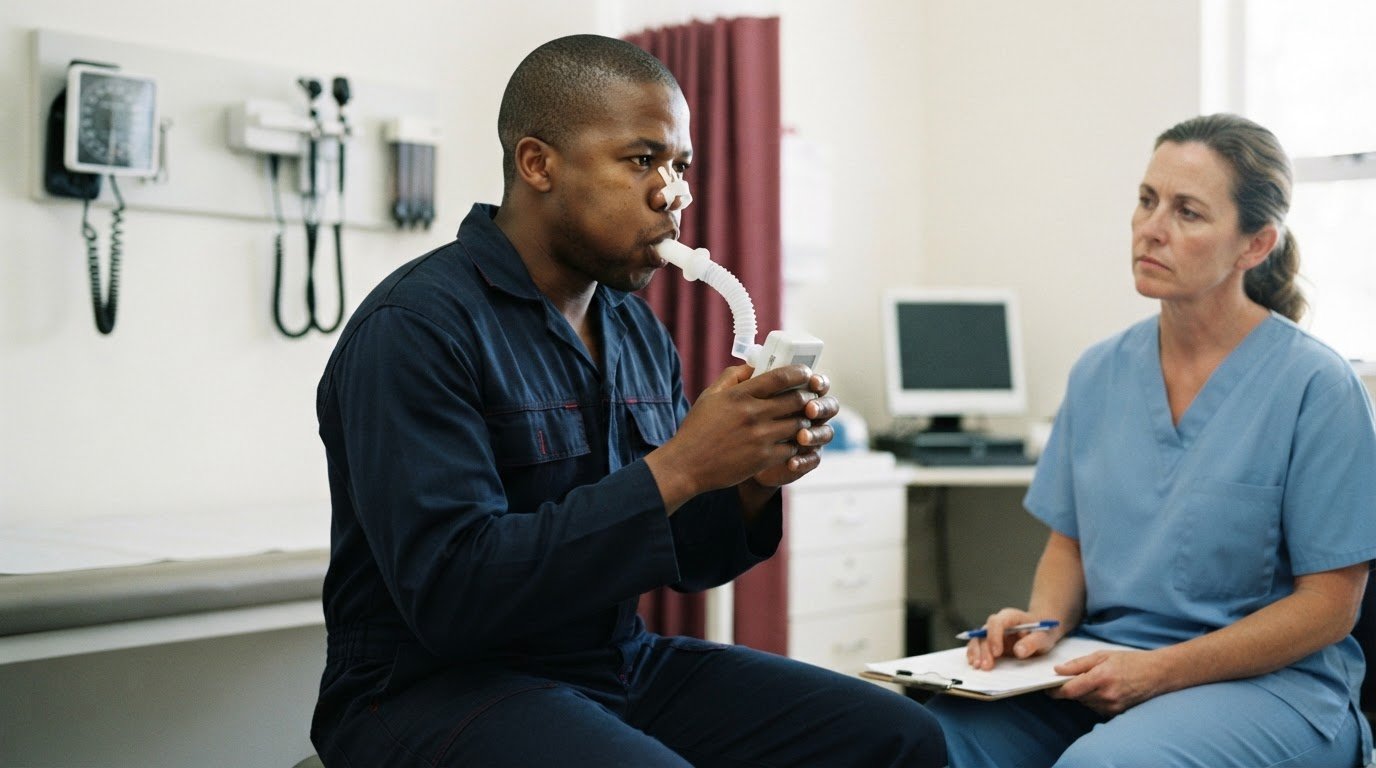
Respiratory effects include breathing problems reported alongside pesticide exposure, although research on these effects among agricultural workers is sparse. Severe breathing difficulty, collapse, seizures or marked confusion after suspected contact require emergency medical care. Tell responders the product name, if known, and when contact occurred. Do not delay urgent care to locate packaging.
South African workplace medical surveillance should account for identified pesticide hazards, the worker’s tasks and their exposure history. Appropriate follow-up depends on the chemical and circumstances. A general assessment cannot establish every workplace’s surveillance requirements.
Medical tests for exposure and poisoning
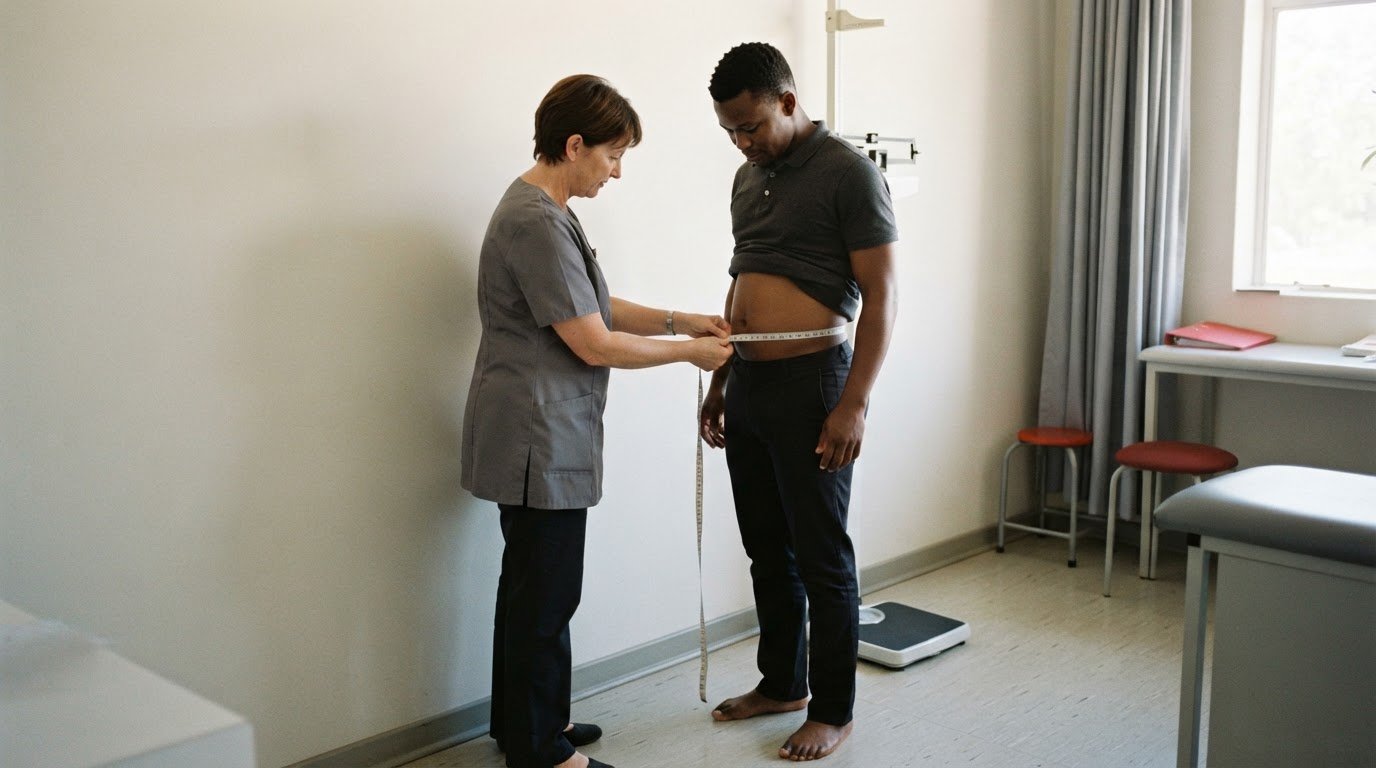
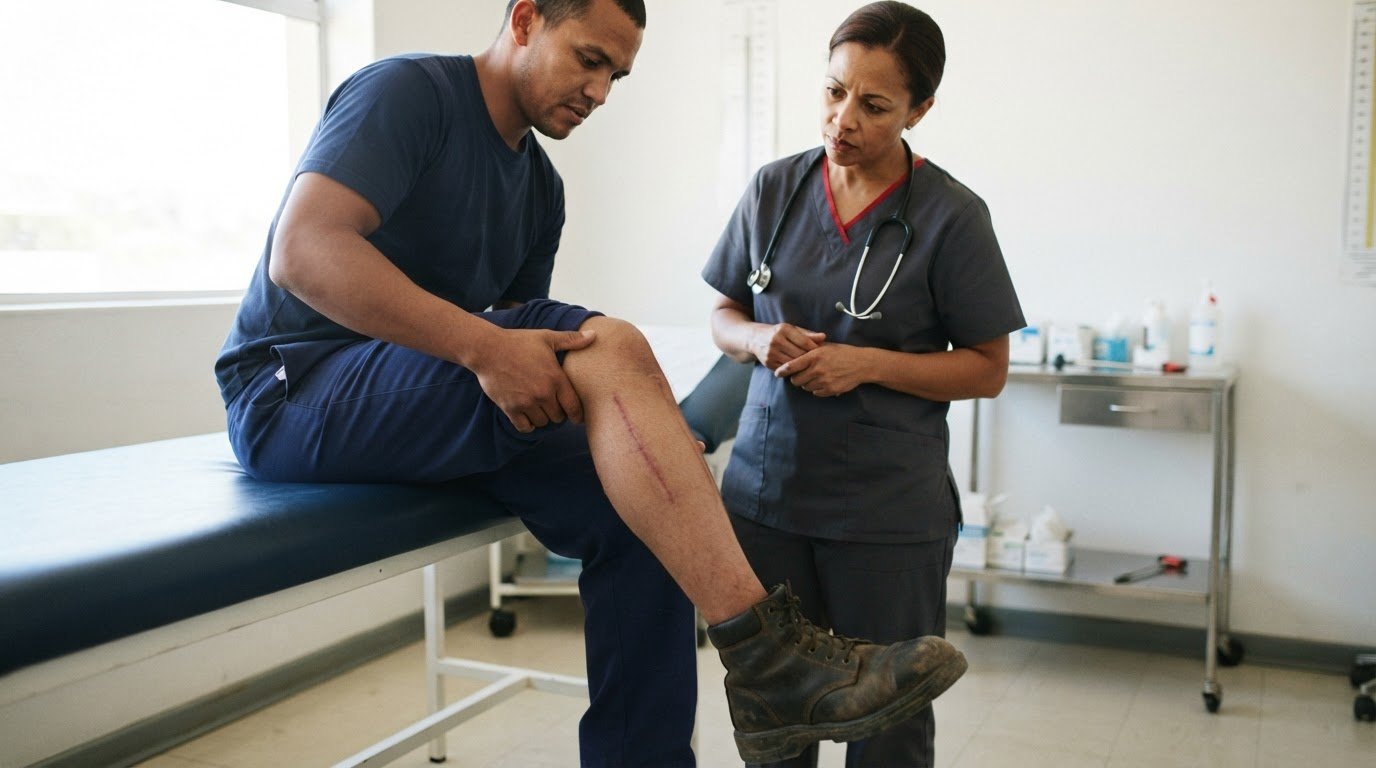
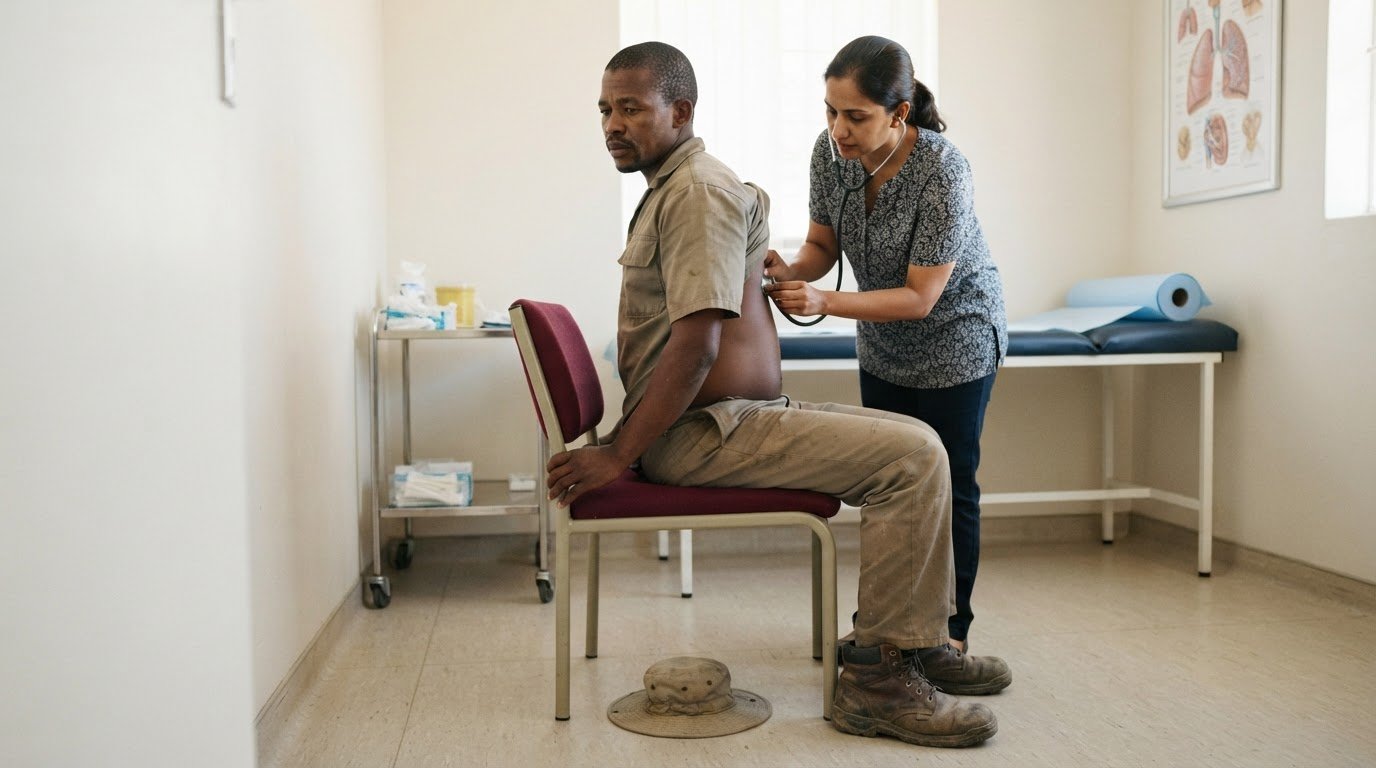
A clinical assessment starts with symptoms, work history and an examination. Tests depend on the suspected chemical and route of exposure, because no single test detects every pesticide. An agricultural worker pesticide exposure medical assessment can help determine whether targeted tests are appropriate. Share the product label or name, the task, when exposure occurred and any changes in symptoms.
After contact, move away from the contaminated area, remove affected clothing and rinse exposed skin or eyes with clean water. Seek urgent care for serious symptoms. If symptoms persist or concerns continue, a follow-up agricultural worker pesticide exposure medical assessment may be useful. The next steps depend on the exposure details.
Who pays for assessment and treatment depends on the circumstances and applicable workplace compensation arrangements in South Africa. Report the incident to your employer and keep treatment records to support any compensation process.
Overall, research reviewed suggests synthetic pesticide exposure among agricultural workers may be associated with certain cancers, DNA damage, oxidative stress, neurological disorders, and respiratory, metabolic and thyroid effects. These are reported associations, not proof that exposure caused a particular worker’s illness. Research on respiratory effects among agricultural workers is described as sparse, so the available evidence provides limited insight into those effects.
Occupational pesticide poisoning definition
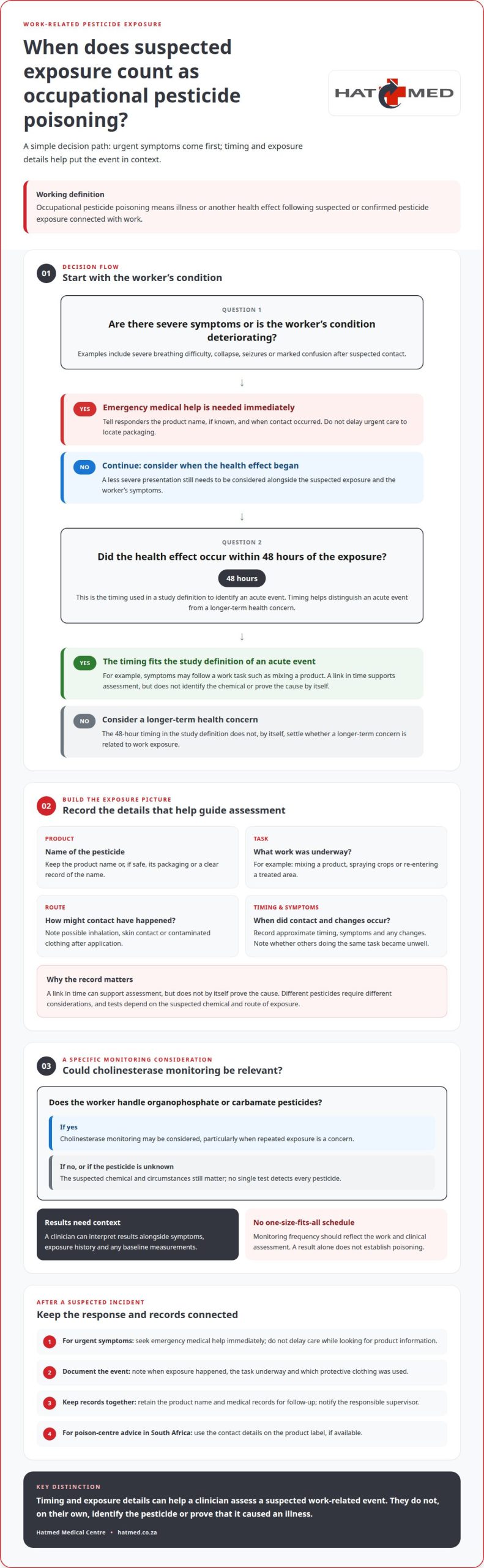
Occupational pesticide poisoning means illness or another health effect following suspected or confirmed exposure connected with work. The definition used in a study covers effects occurring within 48 hours of exposure. This timing helps distinguish an acute event, such as symptoms after mixing a product, from a longer-term health concern. A link in time supports assessment, but it does not identify the chemical or prove the cause by itself.
An exposure history puts the event in context. Record the product name, task, route of contact, approximate timing and symptoms. For example, note whether a worker inhaled spray, got liquid on their skin or wore contaminated clothing after application. Include any changes in symptoms and whether others doing the same task became unwell. These details help a clinician assess whether pesticide exposure fits the pattern.
Cholinesterase monitoring may be considered when a worker handles organophosphate or carbamate pesticides, particularly if repeated exposure is a concern. A clinician can interpret results alongside symptoms, exposure history and any baseline measurements. A result alone does not establish poisoning. Monitoring frequency should reflect the work and clinical assessment, rather than assuming one schedule applies to everyone.
For poison-centre advice in South Africa, use the contact details on the product label, if available. If exposure causes severe symptoms or the worker’s condition is deteriorating, seek emergency medical help immediately. If safe, take the product packaging or a clear record of its name so the treating team can identify the substance. Do not delay urgent care while looking for product information.
After an incident, notify the responsible supervisor and document when exposure happened, what task was underway and which protective clothing was used. Keep the product name and any medical records together for follow-up. Research and clinical assessment can help clarify whether an illness is linked to the workplace event, but different pesticides require different considerations. For an individual review, arrange a medical assessment.
Cancer risks
Research reviewed on synthetic pesticide exposure among agricultural workers reports associations with certain cancers. An association means two factors appear together in studies. On its own, it does not show that pesticide exposure caused an individual’s disease. This distinction matters when considering a worker’s health history: cancer risk cannot be determined from job title or exposure alone.
A review in Current Environmental Health Reports examined epidemiological literature published between 15 May 2018 and 14 May 2019. It appeared in volume 7, issue 1, pages 13-29. Epidemiological studies look for patterns across groups, so their findings can inform understanding of possible risks without predicting what will happen to one person.
Exposure history adds essential context. An assessment can record the pesticide product, handling tasks, duration and route of contact, and whether exposure was repeated. Mixing a product, spraying crops and re-entering a treated area are distinct work circumstances. Recording them clearly helps clinicians consider the full picture alongside symptoms and personal medical history.
Studies can differ in the workers and pesticides examined, how exposure is measured and which diseases are considered. Those differences affect how findings should be interpreted. A reported association is not a diagnosis, nor does it establish that every pesticide carries the same cancer risk. The review finding concerns certain cancers, rather than identifying a specific cancer type or individual risk estimate.
If you have a cancer diagnosis and a history of agricultural pesticide exposure, share that work history with your treating clinician. Include product names, if known, the tasks involved and the period of exposure. These details can support a balanced discussion of possible contributing factors. Study findings describe patterns among groups, not certainty about an individual worker.
Synthetic pesticide exposure among agricultural workers
Synthetic pesticide exposure can occur during farming tasks, not only when spraying crops. The route and circumstances of contact shape what workers should report and how exposure is assessed.
Synthetic pesticide exposure at work
Exposure occurs when a chemical enters the body through inhalation or skin contact during pesticide handling or crop work. Mixing, spraying, treatment and tank cleaning each create different opportunities for contact. In pepper-field trials in the Republic of Korea, researchers assessed workers’ exposure to chlorothalonil and flubendiamide. Field assessments also need to account for how protective equipment performs in real conditions.
A study in Hohoe Municipality, Ghana, interviewed 13 purposively selected farmers, according to the study authors. Around 10 of those farmers reported glyphosate as their primary herbicide. Their reported protective equipment varied: 10 used boots, seven wore long sleeves or trousers, five used gloves, and two used goggles or face shields. These findings describe that small interviewed population, not all agricultural workers.
Protective clothing does not necessarily prevent all contact. Pesticide products can pass through coveralls within ten minutes, and coveralls recommended by prevention organisations had not been tested against complete pesticide formulations used by farmers. Workers wearing coveralls may also become more contaminated during pesticide treatment or tank cleaning.
Exposure details for clinicians
An exposure history records the chemical, task, route and circumstances of contact. These details help clinicians understand what happened and interpret symptoms. Tell them the product name, whether contact involved inhalation or skin, what farming activity was underway and when symptoms began. Also mention protective equipment, contaminated clothing and any repeat exposure.
Pesticide residue can travel home on a worker’s skin or clothing, potentially exposing children. Include this possibility when describing contact at home after fieldwork. For a clinical review of exposure concerns, arrange a medical assessment.
Field exposure assessments should account for difficulties workers encounter when using protective equipment in real conditions. In the Hohoe Municipality study, 7 of 13 farmers reported wearing long-sleeved shirts or trousers when using pesticides, and 5 of 13 reported using gloves as pesticide protective equipment.
Farmworkers and their families in the United States can also be exposed to pesticides while living in or near treated fields.
Hatmed Medical Centre
Hatmed Medical Centre offers General Practitioner Consultations for workers who want to discuss symptoms or ongoing health concerns after possible pesticide exposure. A consultation can review your symptoms, work and exposure history, and relevant medical information, then consider appropriate next steps. Bring the product name or label, if available, and details about the task and timing of contact. For severe or rapidly worsening symptoms, seek emergency medical care rather than waiting for a routine appointment.
If you’re managing a long-term condition alongside exposure concerns, Chronic Disease Management can support ongoing care. To discuss your health concerns with the practice, contact Hatmed Medical Centre.
Take a considered next step for your health
Use your exposure history to start a focused conversation about your health. An agricultural worker pesticide exposure medical assessment can help organise the relevant details, including the work involved, symptoms and ongoing concerns. If you have new or worsening symptoms, seek appropriate medical care promptly rather than waiting for a routine discussion.
Hatmed Medical Centre offers General Practitioner Consultations for general health concerns, as well as Immigration Medical Examinations and Seafarers / SAMSA Medical Examinations. The right consultation depends on what you need assessed. These examination services are for specific medical purposes, not pesticide treatment. A clear account of your concerns can make your next conversation more useful.
Contact Hatmed Medical Centre to discuss a General Practitioner Consultation. Taking a thoughtful next step can help you move forward with greater clarity.
Frequently Asked Questions
What medical assessment is recommended after pesticide exposure in agricultural workers?
An assessment should reflect the pesticide and circumstances of exposure. A clinician can review the product label, the worker’s symptoms and medical history, then decide whether an examination or targeted tests are appropriate. Explain whether exposure happened during mixing, spraying or equipment cleaning. If symptoms are severe, seek emergency care rather than waiting for a routine appointment.
What are the long-term health risks of repeated occupational pesticide exposure?
Research has linked synthetic pesticide exposure with certain cancers and possible neurological, metabolic, thyroid and respiratory effects. Repeated exposure is a reason to discuss work history and ongoing symptoms with a clinician, especially if tasks or products have changed. Study associations do not establish that exposure caused a particular disease, and findings about groups cannot predict an individual worker’s health outcome.
Who pays for medical assessment and treatment after pesticide exposure at work in South Africa?
Payment depends on the circumstances and applicable workplace compensation arrangements in South Africa. Report the incident to your employer and keep treatment records to support any compensation process.