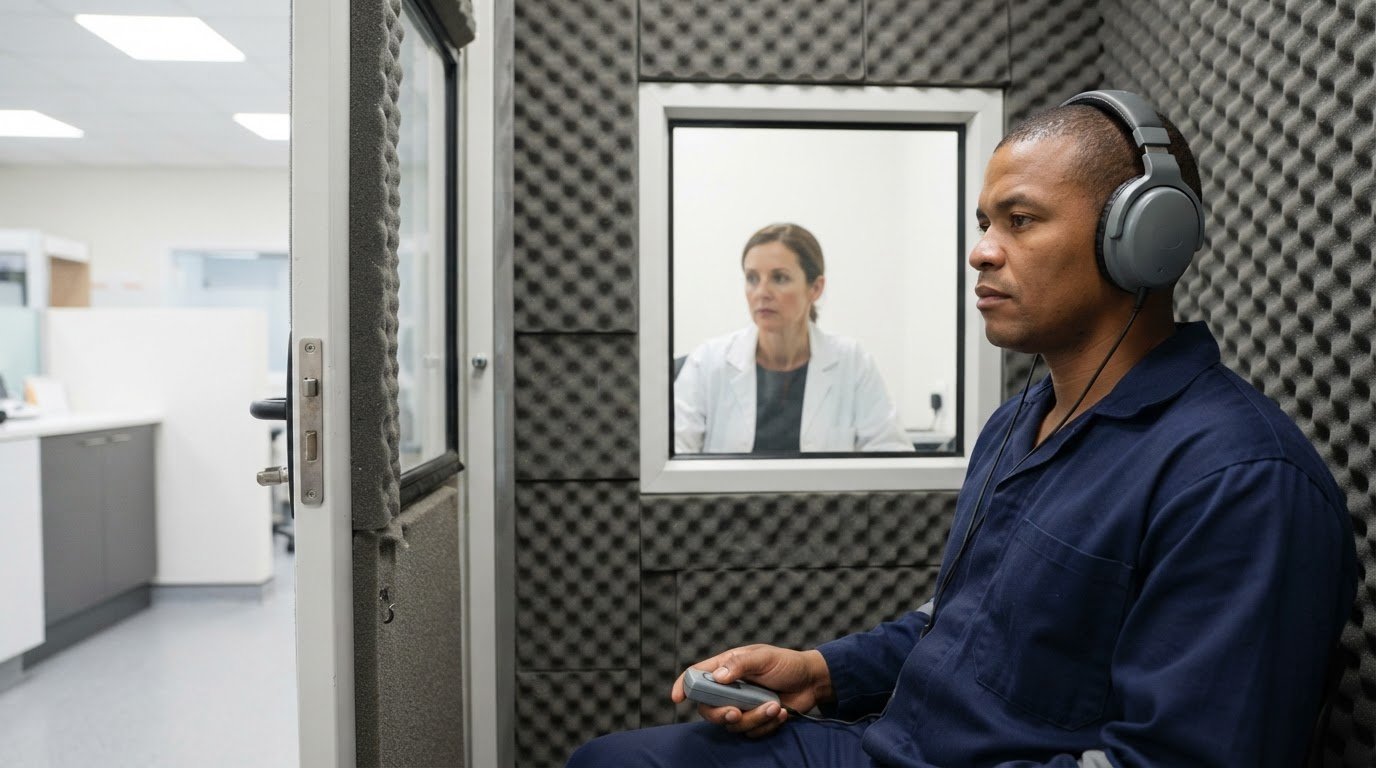
Cold-store fitness screening is about more than whether someone can tolerate low temperatures. A cold storage refrigeration worker medical fitness screening considers the work environment, restricted movement and physical demands alongside relevant health factors, helping build a clearer picture of fitness for the role.
It’s understandable to focus on the cold itself, but the job may also involve bulky workwear, repetitive tasks, lifting, bending and long periods of standing. A medical assessment can include a confidential questionnaire, checks such as blood pressure and pulse, and an assessment related to working in cold-store areas.
This article explains what screening may assess, why cold exposure and physical demands matter, and how workplace conditions fit into the picture. You’ll also learn what the assessment report may include, so you can understand how medical fitness screening supports decisions about work in cold storage, refrigeration areas and food warehouses.
Key Takeaways
- See how cold exposure and bulky workwear can affect comfort, movement and physical readiness on the job.
- Recognise why lifting, repetitive tasks and awkward postures matter when considering a worker’s musculoskeletal health.
- Understand how heart, circulatory and respiratory health may be relevant to work in cold environments.
- Learn what a workplace medical assessment can report, including any restrictions or recommendations for the role.
Cold exposure and restricted movement
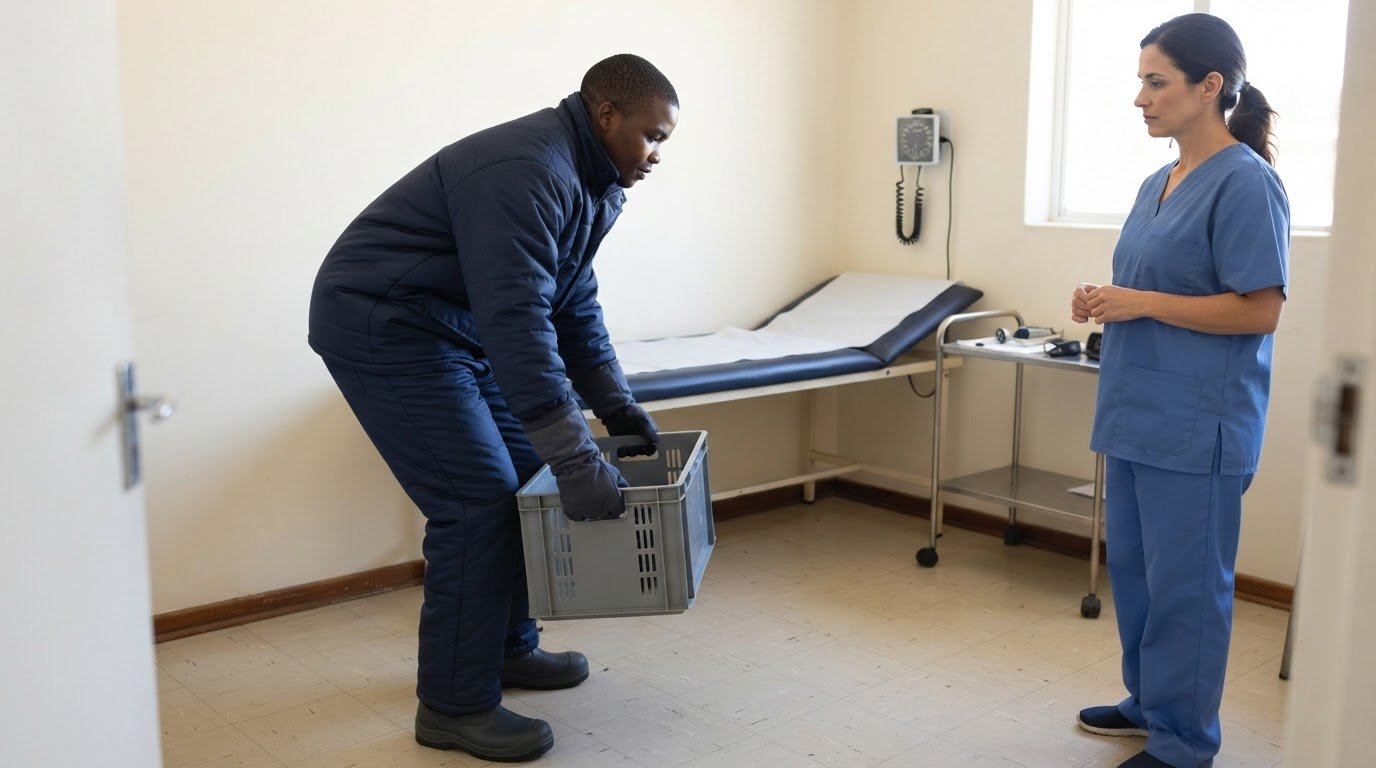
Cold-store work can expose employees to low temperatures for extended periods. Bulky thermal clothing helps keep workers warm, but can also restrict movement. For example, thick gloves may make gripping or handling small items more difficult. Screening considers the job’s conditions alongside the worker’s health and ability to manage its demands.
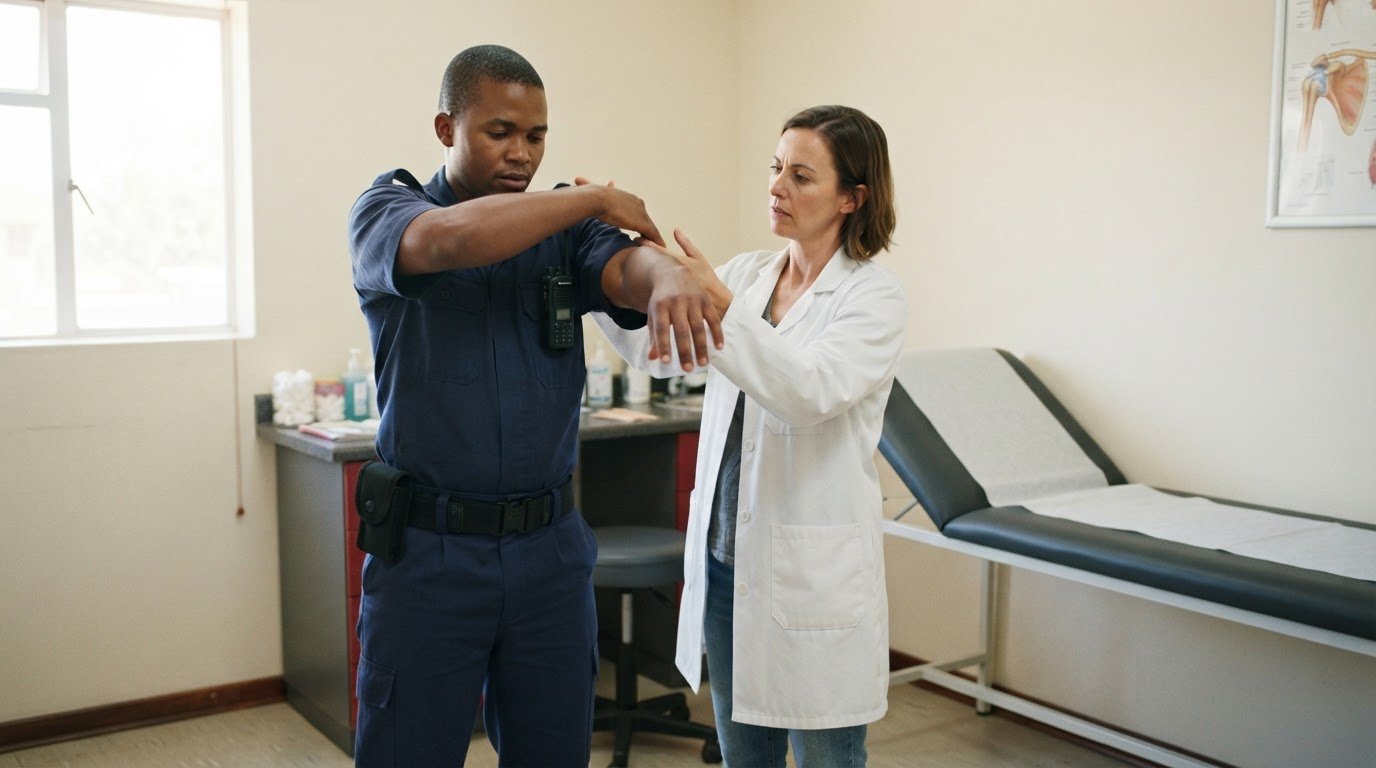
Cold can contribute to joint stiffness and discomfort, particularly in the hands and knees. Reduced blood flow in cold environments can also cause numbness or discomfort in the extremities. These effects matter during tasks requiring steady hand movements, secure handling or frequent walking. A worker’s reported symptoms help put the demands of the role into context.
Restricted movement can combine with repetitive work. Repeated tasks without adequate rest can contribute to cumulative trauma disorders, especially where workers use the same joints and muscles throughout a shift. Reaching into storage, handling stock or repeatedly gripping items may place recurring demands on the body. The pace and pattern of tasks therefore matter alongside cold exposure.
Workwear should retain warmth without unnecessarily limiting movement. Employers can consider whether clothing allows workers to bend, reach and handle equipment safely. Frequent short breaks can give muscles time to recover, while breaks that include stretching may help workers reset after repetitive tasks. Employee feedback can identify practical problems, such as gloves that make a particular task difficult.
Screening provides an opportunity to consider how cold exposure and restricted movement relate to an individual’s health. It does not replace workplace measures such as suitable clothing, rest breaks or adjustments to tasks. Instead, medical findings can help inform appropriate recommendations for the role. This combined approach is especially relevant when a worker reports stiffness, numbness or discomfort during cold-store duties.
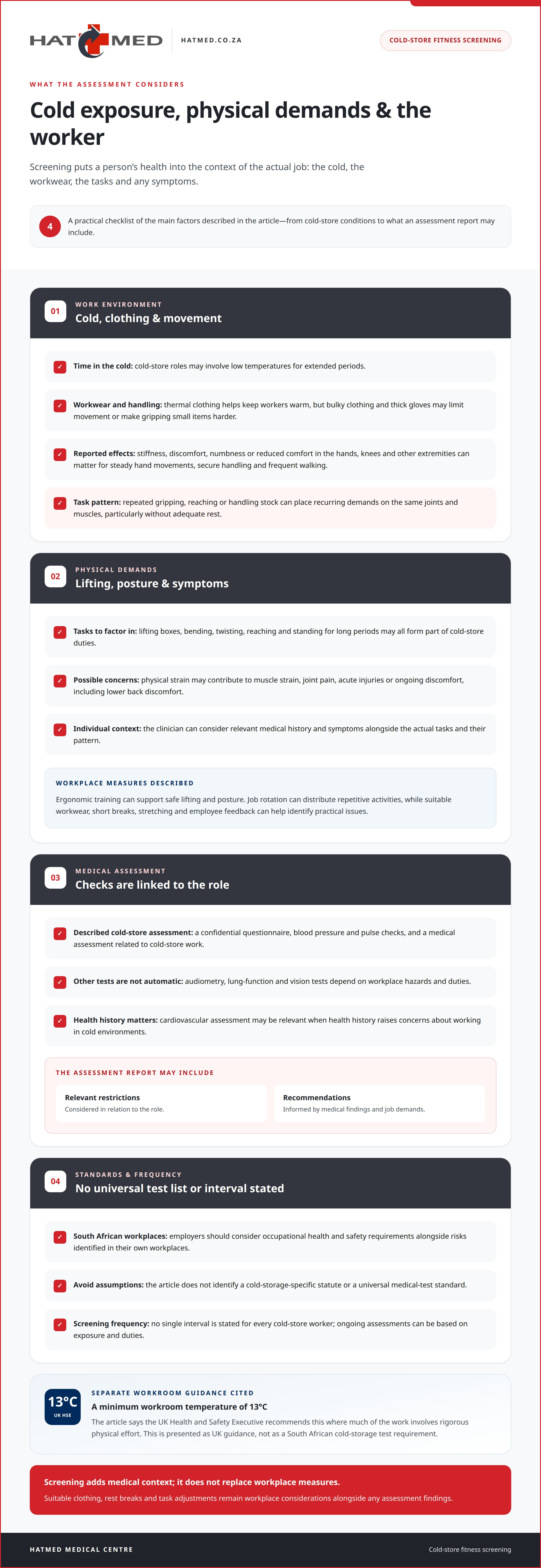
With prolonged cold and bulky clothing, employers can choose thermal workwear that keeps workers warm without compromising movement, and encourage breaks and stretching to reduce fatigue and injury risk. The UK Health and Safety Executive recommends a minimum workroom temperature of 13°C where much of the work involves rigorous physical effort.
Heavy lifting and awkward postures
Cold-store duties may combine lifting boxes with bending, twisting and standing for long periods. Each action places demands on muscles and joints, especially when tasks recur throughout a shift. For example, repeatedly lifting stock from low shelves can involve both a bent back and a twist. Fitness screening considers these job demands alongside a worker’s health and any reported discomfort.
Physical strain can lead to muscle strain, joint pain and discomfort. Heavy lifting or awkward postures may contribute to acute injuries or ongoing pain. Prolonged standing and repeated bending can also contribute to lower back discomfort. These problems may affect a worker’s ability to carry out regular duties, as well as their comfort and job satisfaction.
During an assessment, the clinician can consider the worker’s relevant medical history and symptoms in relation to the role. A worker who reports back discomfort after repeatedly bending to reach boxes, for instance, presents a different picture from someone without those symptoms. The task pattern matters too: lifting, twisting and standing place different demands on the body. This context helps make the assessment relevant to the actual work.
Workplace measures can address some physical demands. Ergonomic training can help workers learn safe lifting techniques and proper posture for tasks such as moving boxes. Job rotation can distribute repetitive activities among workers rather than concentrating the same movements in one role. These measures support prevention, but they do not replace an individual medical assessment when symptoms or health concerns need attention.
Musculoskeletal problems can also affect workplace operations, contributing to absenteeism, reduced productivity and healthcare costs for employers. Screening findings, considered alongside job duties, can help identify relevant restrictions or recommendations. A clear picture of the work, including lifting, bending and standing, gives the assessment useful context. It also helps connect an individual’s reported discomfort with the physical demands they encounter at work.
Workplace assessments
For cold-store roles, medical screening is most useful when it reflects the work environment and the worker’s health. The assessment can inform a report with relevant restrictions and recommendations.
Required medical tests
Medical tests are checks selected to assess a worker’s health against specific job demands. Audiometry, lung-function and vision tests are not automatically required for every refrigeration worker; their relevance depends on workplace hazards and the duties performed. Cardiovascular assessment may be relevant when health history raises concerns about working in cold environments. The described cold-store assessment includes blood pressure and pulse checks, alongside a confidential questionnaire and a medical assessment related to cold-store work.
South African laws and occupational health standards
South African employers should consider occupational health and safety requirements alongside risks identified in their own workplaces. The assessment details described here do not identify a cold-storage-specific statute or a universal medical-test standard, so a fixed list of legally required tests should not be assumed. A workplace assessment can identify hazards and areas for improvement, while employee feedback can highlight practical concerns about conditions or procedures.
Medical surveillance frequency
There is no single screening interval that applies to every cold-store worker in the facts described here. Employers can base ongoing assessments on the worker’s exposure, duties, health concerns and changes to the role or workplace. A medical assessment may take approximately 30 minutes and includes a confidential questionnaire, blood pressure and pulse checks, and a report with restrictions or recommendations. A medical practitioner can conduct the assessment and document its findings; the described facts establish no universal certificate expiry period.
Assessments for cold and damp work
Checks for work in cold, damp or temperature-controlled areas should relate to the conditions and duties involved. The medical assessment considers working in cold-store areas, while the questionnaire helps record relevant health information. Heart conditions, circulatory disorders and respiratory health issues are examples of concerns that may increase risk in cold environments. If screening identifies a concern, employers can consider the report’s restrictions and recommendations when reviewing duties, workplace risks and possible adjustments.
What medical fitness tests are required for cold storage refrigeration workers in South Africa?
There is no universal cold-store test list established by the assessment details described here. A cold storage refrigeration worker medical fitness screening should reflect the worker’s health, duties and workplace conditions, rather than assume every refrigeration role needs identical tests. The assessment includes a confidential questionnaire, a medical assessment focused on cold-store work, and blood pressure and pulse checks. Together, these provide a starting point for considering the person and the role.
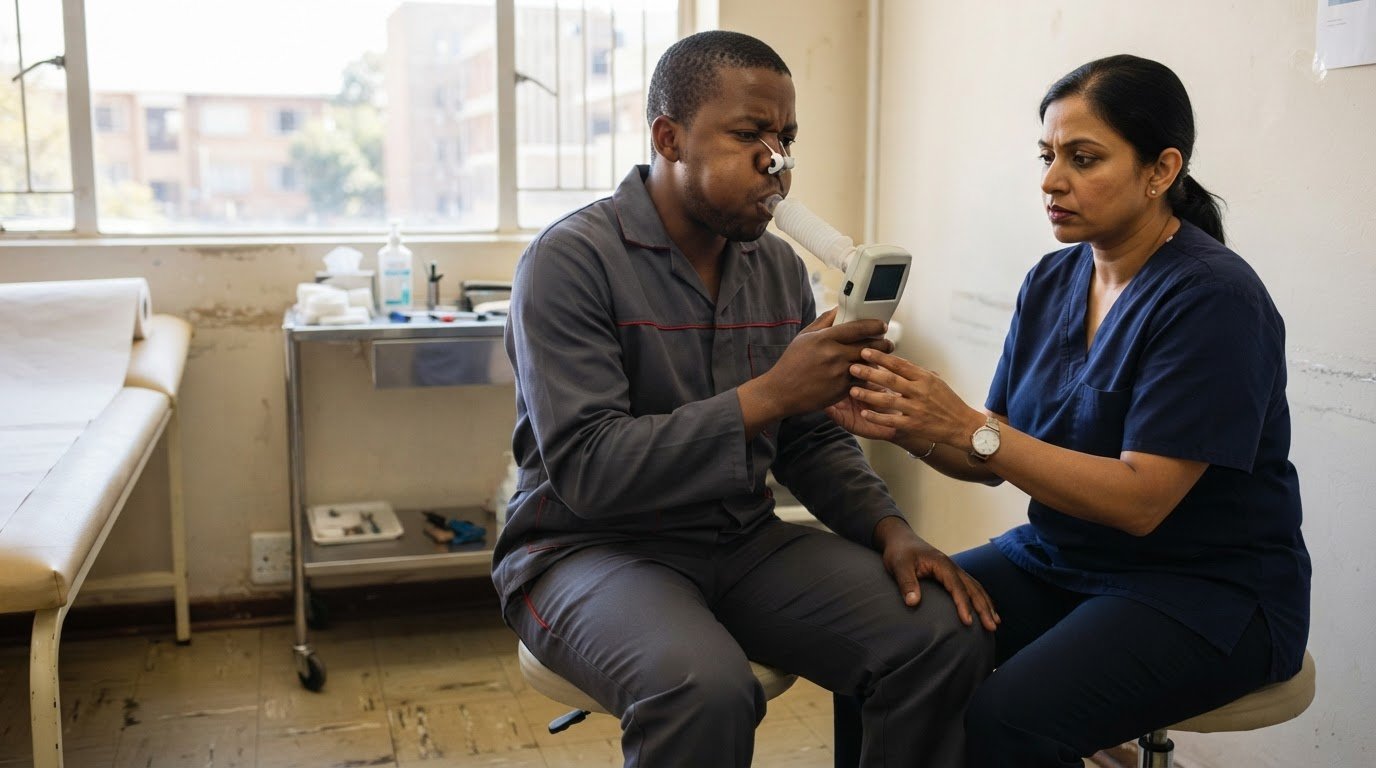
Audiometry, lung-function testing and vision checks are not among the listed core assessment components. Their relevance depends on workplace hazards and tasks. For example, a hearing test relates to noise exposure, while vision checks may matter for particular duties. Cardiovascular health may also warrant attention, as heart and circulatory conditions can increase risk in cold environments. A screening discussion can consider these factors alongside health history and reported concerns.
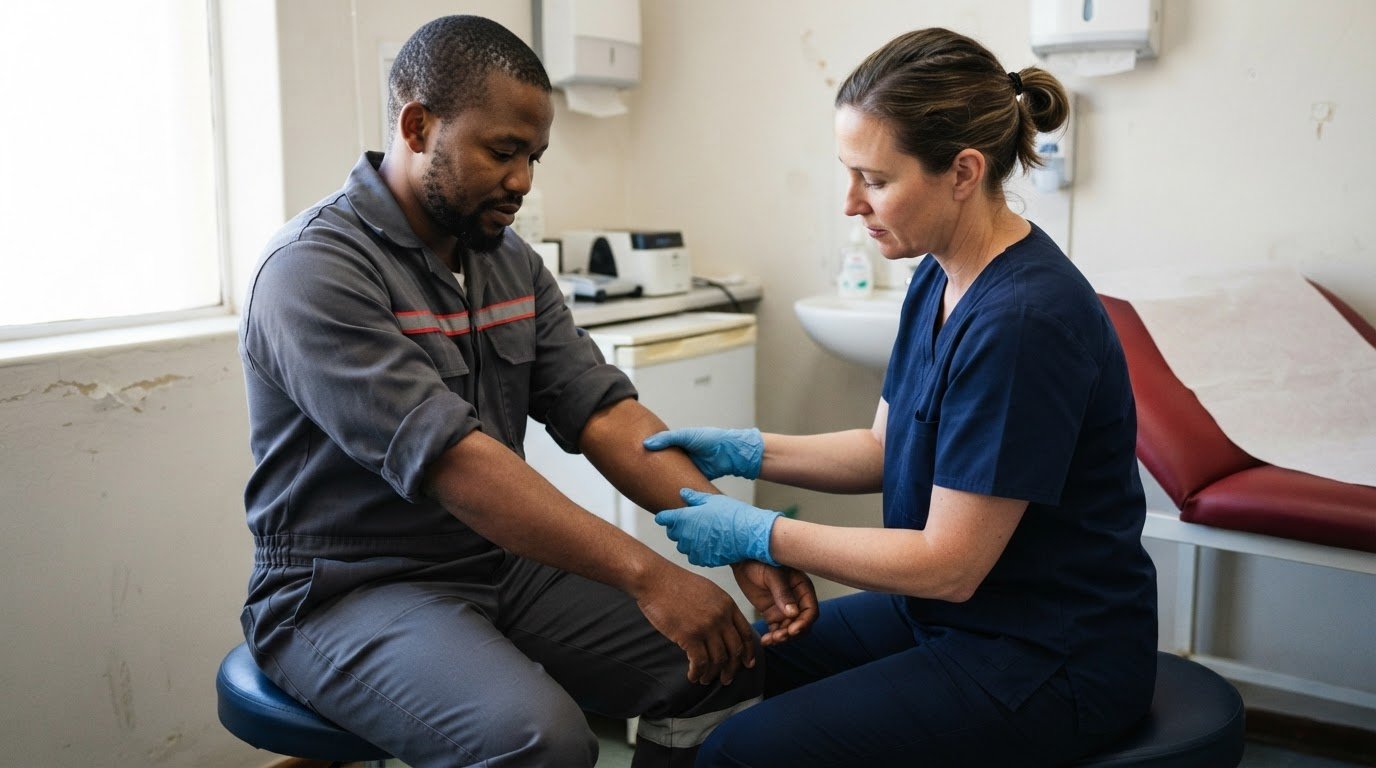
The described cold-store medical assessment takes approximately 30 minutes. It includes a confidential questionnaire and checks of blood pressure and pulse, followed by an assessment related to working in cold-store areas. The resulting report can set out restrictions and recommendations. In a cold storage refrigeration worker medical fitness screening, these findings help connect health information with job demands, rather than treating one test result as a complete measure of fitness.
For employers, a useful next step is to provide an accurate description of the role and its conditions. Duties such as working in refrigeration areas, handling stock or spending extended periods in cold environments give the assessment practical context. Workplace assessments can also identify hazards and areas for improvement. If screening raises concerns, employers can consider the report’s recommendations when reviewing duties and workplace practices.
For support with arranging a relevant medical assessment, discuss your medical assessment needs.
It includes a confidential questionnaire, blood pressure and pulse checks, and an assessment focused on cold-store work; the resulting report can outline restrictions and recommendations.
Hatmed Medical Centre
Hatmed Medical Centre can help you discuss health concerns relevant to work in cold storage. A General Practitioner Consultation offers an opportunity to talk through symptoms or existing health conditions that may matter in a cold environment. For employment-related assessments, Pre-Employment Medical Examinations may also be relevant, depending on the purpose of the assessment.
Bring a clear description of the duties, such as time spent in cold areas, lifting requirements and any symptoms. This context helps the consultation focus on the worker’s circumstances and the questions that need attention. Where ongoing health needs are involved, Chronic Disease Management can support continued care.
For a calm, professional discussion about your health and work-related concerns, contact Hatmed Medical Centre.
Plan your next step with confidence
Before a cold storage refrigeration worker medical fitness screening, a clear account of the role can help make a medical discussion more relevant. Note the main duties, the conditions involved and any health concerns the worker wants to raise. This gives the consultation practical context without treating one test as the whole answer.
Hatmed Medical Centre offers General Practitioner Consultations, Immigration Medical Examinations and Seafarers / SAMSA Medical Examinations. If you have questions about a worker’s health and cold-store duties, a GP consultation can provide a place to discuss those concerns and consider suitable next steps.
Contact Hatmed Medical Centre to discuss your medical concerns. A thoughtful conversation can help you move forward with greater clarity.
Frequently Asked Questions
What health conditions may make someone unfit for work in cold environments?
Heart conditions, circulatory disorders and respiratory health issues may increase risk during work in cold environments. Having one of these conditions does not automatically determine fitness for a particular role. The assessment considers the person’s health alongside the job’s cold exposure and duties. For instance, a worker’s medical history and the demands of regular work in a refrigeration area can help guide a relevant fitness assessment.
What cold exposure risks and health symptoms should worker screening assess?
Screening should consider prolonged low-temperature exposure and symptoms such as numbness, discomfort or joint stiffness. A worker might report numb fingers after handling items in cold conditions, or stiff knees during duties in a cold area. The timing and work context of symptoms help explain how they relate to the job. Restricted movement from bulky workwear is also relevant when considering practical demands.
Who may conduct and certify occupational medical fitness assessments in South Africa?
A medical practitioner can conduct the assessment and document its findings.
What does a medical fitness certificate for cold storage work include, and how long is it valid?
The assessment includes a confidential questionnaire, blood pressure and pulse checks, and a medical assessment related to cold-store work. Its report may include restrictions and recommendations; no universal certificate expiry period is established.