

What if your most valuable asset in 2026 isn’t your investment portfolio or your property, but a single hour spent with a trusted medical professional? Many of us only think about booking a GP for routine checkups when we feel a specific ache or when we’re trying to decipher complex medical aid wellness benefits. It’s completely understandable to feel that you’re too busy to manage another appointment, especially when you’re already juggling work and family commitments. You might even worry that a check-up will uncover a condition you aren’t ready to face.
We believe that your health shouldn’t be a source of anxiety, but a foundation of confidence. This guide will show you how regular consultations can prevent chronic illness, support your mental wellbeing, and ensure you remain at your physical best for years to come. You’ll discover the peace of mind that comes from a clear understanding of your health status and the power of early detection. We’ll also look at how to build a lasting relationship with a medical centre that understands your unique needs, ensuring your health remains your best investment this year.
Key Takeaways
- Learn why shifting from reactive care to proactive health audits is the most effective way to manage your long-term wellbeing in 2026.
- Understand how a detailed discussion of your medical history helps your practitioner identify hidden genetic risks before they become clinical issues.
- Discover a tailored frequency guide that explains why visiting a GP for routine checkups becomes a non-negotiable annual priority once you reach the age of 40.
- Master the art of navigating South African medical aid wellness benefits to ensure your preventive care is both comprehensive and cost-effective.
- Explore how routine consultations serve as the vital foundation for specialised requirements, such as SAMSA seafarer medicals and executive examinations.
The Evolution of Primary Healthcare: Why Routine GP Visits Matter
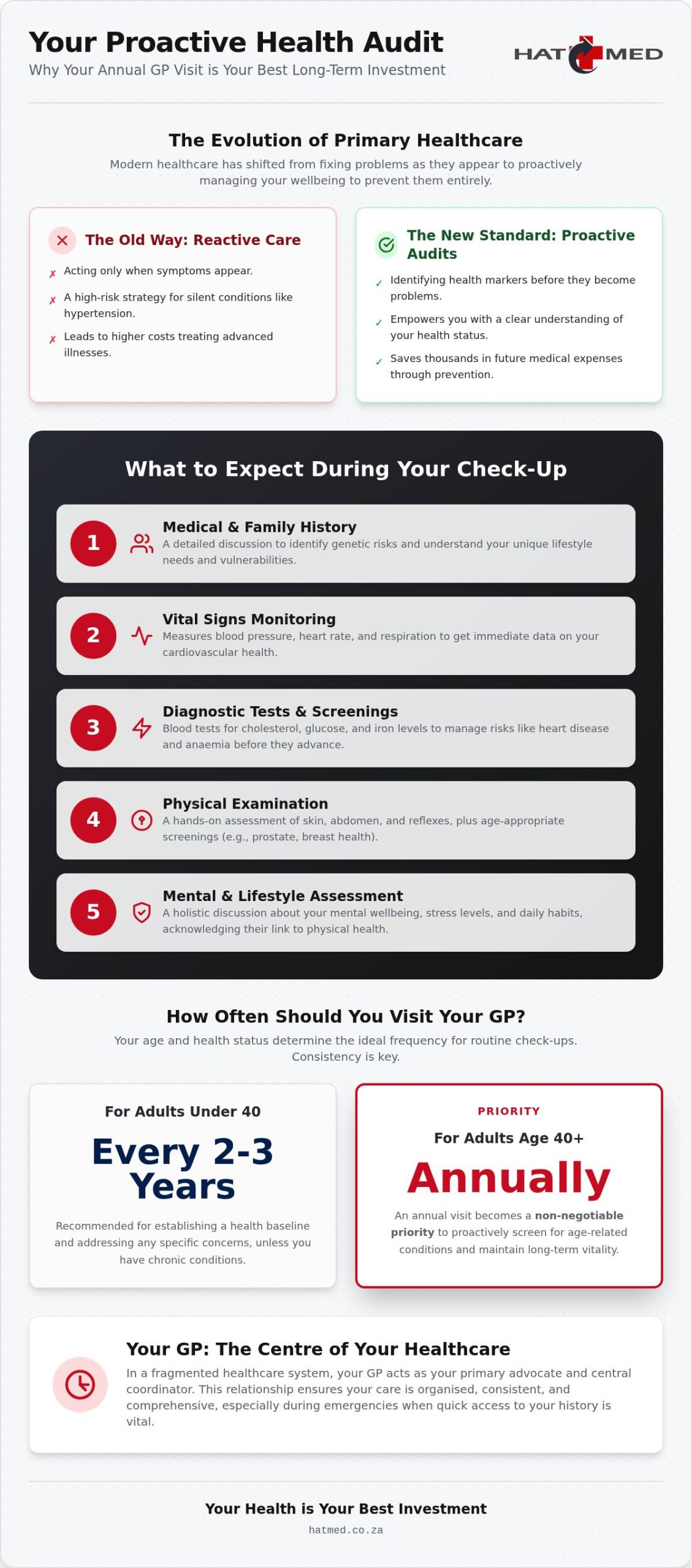
Primary healthcare has undergone a significant transformation. In the past, most people only visited a doctor when they felt unwell or had a visible injury. By 2026, this reactive approach has been replaced by a more sophisticated model where your health is treated like a valuable asset that requires regular auditing. A routine check-up isn’t just a quick chat; it’s a proactive health audit designed to assess your body’s performance before problems arise.
Current medical trends in South Africa now focus on holistic wellness. This means your doctor looks beyond just your physical symptoms. They consider your lifestyle, stress levels, and even environmental factors that might affect your long-term vitality. Booking a GP for routine checkups allows for a collaborative deep dive into how your daily habits influence your future health. It’s about finding a balance between your professional demands and your physical needs.
The financial argument for this shift is equally compelling. Detecting chronic conditions like hypertension or early-stage diabetes during a standard visit can save thousands of Rands in future medical expenses. Managing a condition early is always more affordable than treating a full-blown medical crisis. Your GP acts as the central coordinator for your entire medical history, ensuring that every vaccination, screening, and script is recorded in one secure place.
Moving Beyond Reactive Medicine
Waiting for symptoms to appear is a high-risk strategy. Many of the most serious health threats, such as high blood pressure or high cholesterol, are “silent” and offer no warning signs until they cause significant damage. During a comprehensive physical examination, your doctor can identify these markers early. Preventative care is the strategic application of medical screenings and lifestyle interventions to stop illness before it starts, acting as the cornerstone of modern longevity.
The GP as Your Health Advocate amongst Specialists
Healthcare can often feel fragmented, especially if you’re seeing different specialists for various concerns. A regular GP prevents this by acting as your primary advocate. They ensure that your treatments don’t clash and that your medical records remain centralised. This organisation is vital during emergencies when quick access to your history can save lives. Beyond the paperwork, visiting a GP for routine checkups builds a foundation of trust. This relationship makes it much easier to discuss sensitive topics, from mental health struggles to age-related changes, with someone who already knows your journey. It turns medical care into a partnership rather than a series of disconnected appointments. Understanding how primary healthcare supports your long-term wellness is the first step toward building that lasting medical partnership.
What to Expect During a Comprehensive Physical Examination
Stepping into a medical centre shouldn’t feel like a mystery. A thorough clinical assessment is a structured process designed to build a complete picture of your health. It begins with a detailed discussion of your patient history. This isn’t just paperwork; it’s a vital tool for identifying genetic risks that might not be visible yet. By understanding your family’s medical background, your doctor can tailor your care plan to address specific vulnerabilities and lifestyle needs.
Next, we focus on your vital signs. Monitoring blood pressure, heart rate, and respiratory health provides immediate data on your cardiovascular system. These measurements are fundamental to preventive care, as they often reveal the first signs of stress on the body. When you visit a GP for routine checkups, these baseline numbers allow us to track changes over time, ensuring that small fluctuations don’t become major health events.
Clinical Screenings and Diagnostic Tests
Diagnostic tests provide the objective evidence needed for a clear diagnosis. Common blood tests often include checks for cholesterol, glucose, and iron levels. These help us manage risks like heart disease or anaemia before they impact your daily energy. The physical assessment itself is hands-on. Your practitioner will examine your skin for unusual moles, check your abdomen for tenderness, and test your reflexes. Age-appropriate screenings are also central to the visit. For men over 40, this might involve a prostate health discussion, whilst women may focus on breast health and cervical screenings.
Mental Health and Lifestyle Assessment
We believe that physical health cannot be separated from mental wellbeing. This is why a GP for routine checkups will ask about your sleep quality, stress levels, and work-life balance. Chronic stress often manifests as physical symptoms, such as tension headaches or digestive issues. Identifying these links helps us treat the cause rather than just the symptom. We maintain a non-judgemental atmosphere where you can honestly discuss nutrition, exercise, and habits. This collaborative approach ensures that your health plan is realistic and sustainable. If you’re ready to take this step, you can book a comprehensive consultation to start your wellness journey.
Frequency Guide: How Often Should You Visit Your General Practitioner?
Determining how often you should visit a GP for routine checkups isn’t a matter of following a rigid calendar. Instead, it’s about understanding your unique risk profile. Your family history, current health status, and even your career choice all play a part in deciding your medical schedule. Whilst some might only need a biennial visit, others require more consistent monitoring to maintain peak performance. It’s a collaborative process between you and your practitioner.
Annual visits become non-negotiable once you reach the age of 40. This is the period when the body begins to show the cumulative effects of lifestyle and genetics. Regular screenings during this stage are vital for early cancer detection and managing cardiovascular health. By catching potential issues early, we can implement lifestyle changes that often reduce the need for long-term medication later in life.
Age-Specific Health Milestones
In your 20s and 30s, the focus is on establishing a healthy baseline. We use these visits to manage vaccinations and discuss lifestyle habits that prevent future illness. It’s the perfect time to build a relationship with a medical professional who understands your history. These early years are about prevention and setting the stage for a healthy future.
As you move into your 40s and 50s, we intensify screenings for metabolic health, such as blood glucose and cholesterol levels. For our senior patients, the focus shifts towards maintaining independence. We prioritise mobility, cognitive function, and bone density to ensure you continue to enjoy a high quality of life. Regular check-ups during these years help us manage age-related changes before they impact your daily routine.
Factors That Require More Frequent Consultations
If you’re managing chronic conditions like asthma, diabetes, or hypertension, your schedule will naturally be more frequent. Chronic disease management requires steady monitoring to ensure medications remain effective and to prevent complications. We work with you to adjust your treatment plan as your body changes, providing the reassurance that your health is being actively managed.
Professional demands also influence medical frequency. High-performance professionals in executive roles often face intense stress, which can impact heart health and mental wellbeing. We offer Executive Medical Examinations tailored to these high-pressure environments. Similarly, seafarers must undergo regular SAMSA medical examinations to remain compliant with maritime regulations. If you’re starting a new, intensive fitness programme, a quick consultation ensures your body is ready for the transition. We’re here to support these positive changes and help you navigate them safely.
Maximising Your Consultation: Preparation and Medical Aid Navigation
A successful visit to a GP for routine checkups starts long before you enter the consultation room. Being prepared allows you to move beyond general health advice and focus on specific concerns that matter to you. We recommend keeping a running list of any physical changes or minor symptoms you’ve noticed recently, as these small clues often help us piece together a larger picture of your wellbeing.
Preparing Your Patient ‘Brief’
Start by documenting your current medications, including any over-the-counter supplements or vitamins you take daily. It’s also helpful to have a clear understanding of your family medical history, specifically regarding heart disease, cancer, or diabetes. Transparency about your lifestyle habits, including sleep patterns and alcohol consumption, is vital for an accurate diagnosis and a personalised health strategy. Don’t feel the need to filter your information; we are here to support your progress, not to pass judgement. Booking a GP for routine checkups is the perfect time to clear up any confusion regarding your daily health habits.
Navigating Costs and Medical Aid Benefits
Within the South African healthcare system, understanding how your medical aid works is essential for managing your health budget. Many patients don’t realise that most major medical schemes offer a specific “Wellness Benefit” that is separate from their day-to-day savings. This benefit is often designed to cover preventative screenings and routine consultations at 100% of the scheme rate. By using this specific portion of your cover, you can preserve your savings for unexpected illnesses later in the year.
Screenings for blood pressure, glucose, and cholesterol are typically fully covered because medical aids recognise the long-term cost-saving value of prevention. When booking your appointment, it’s worth checking if you have a co-payment or if your specific plan requires you to use a designated service provider. For those with demanding schedules, booking an Executive Medical Examination provides a more comprehensive, all-in-one assessment that maximises your time and ensures every aspect of your health is reviewed in a single session.
During your consultation, make sure to ask specific questions to gain a clear understanding of your status. You might ask: “Based on my family history, which screenings should I prioritise this year?” or “How do my current stress levels compare to my last visit?” These questions turn a standard check-up into a powerful tool for self-improvement. If you’re ready to take control of your health journey, you can book your next consultation online today.
Beyond the Basics: How Hatmed Medical Centre Organises Preventive Care
Hatmed Medical Centre functions as a comprehensive primary healthcare hub where professional clinical expertise meets community-oriented reassurance. We believe that your health journey shouldn’t be fragmented across different providers or multiple institutions. By positioning ourselves as a central point of contact, we ensure that every vaccination, chronic disease monitoring session, and mental health check is integrated into a single, cohesive record. This approach starts with the foundational practice of visiting a GP for routine checkups, which provides the necessary data to support more complex medical requirements later on.
A Hub for Specialised Professional Medicals
There is a distinct synergy between your day-to-day health and the high-stakes certifications required for your career. For seafarers, our SAMSA approved medical practitioners stay abreast of the latest 2026 maritime health regulations to ensure your sea-time is never interrupted by avoidable health issues. Consistent primary care monitoring means that when it’s time for your SAMSA or Immigration medical examination, your history is already well-documented and managed. This takes the stress out of professional compliance.
Immigration medicals often involve strict criteria and detailed screenings that can feel overwhelming. When you maintain a relationship with a regular practitioner, the process of preparing for these assessments becomes significantly more streamlined. Similarly, our Executive Medical Examinations are designed for professionals who require a deep-dive assessment of their cardiovascular and metabolic health. Having these assessments managed by a familiar practitioner allows for more nuanced discussions about stress management and work-life balance, which are often overlooked in standard clinical environments.
Comprehensive Support for Long-Term Wellbeing
Chronic disease management is a core pillar of our service. We don’t just issue scripts; we partner with you to create tailored monitoring plans for conditions like hypertension or diabetes. This proactive approach leads to better long-term outcomes and reduces the risk of sudden complications. We also recognise that mental health is just as critical as physical vitality. Our clinical approach integrates mental health management into every consultation, ensuring you have the support needed to navigate the pressures of modern life. We aim to lower the barrier for those seeking assistance by offering a welcoming and inclusive environment.
Whether you need a travel clinic for international vaccinations or a simple annual flu shot, we provide all these services under one roof. This convenience saves you time and ensures your immunisation history is always up to date. We invite you to take the next step in your health journey with a team that values your time and your peace of mind. Booking a GP for routine checkups is the most reliable way to secure your future health. Book your routine check-up with Hatmed Medical Centre today.
Securing Your Health Foundation for the Future
Investing in your health today is the most effective way to ensure a vibrant and productive future. By shifting from reactive care to a proactive health audit, you don’t just manage illness; you optimise your entire life. We’ve explored how regular assessments identify silent risks and why navigating your South African medical aid benefits can make these essential visits highly cost-effective.
At Hatmed Medical Centre, we provide more than just standard care. Whether you require SAMSA approved medical practitioners for maritime compliance, specialised immigration and executive medicals, or full-spectrum chronic disease management, our team is here to support you. Booking a GP for routine checkups is the vital first step toward a medical partnership built on trust and clinical authority. You deserve a dedicated ally who understands your history and empowers your wellness goals.
Book your professional GP consultation at Hatmed Medical Centre today and experience the security of professional, community-focused care. It’s time to prioritise the one investment that truly pays lifelong dividends.
Frequently Asked Questions
Is a routine check-up covered by my medical aid’s wellness benefit?
Most South African medical aid schemes provide a specific wellness benefit that covers routine screenings. This benefit usually sits outside your day-to-day savings, meaning you can have your blood pressure and cholesterol checked without depleting your main funds. It’s best to check your specific plan details, but preventative care is typically prioritised by schemes to reduce long-term costs. We can help you understand which screenings are usually covered during your visit.
What is the difference between a routine GP visit and an Executive Medical?
A routine GP visit focuses on current health concerns and basic preventative screenings, whereas an Executive Medical Examination is a more intensive assessment. Executive medicals often include detailed cardiovascular testing, stress analysis, and extended consultations to review lifestyle risks in depth. While a standard visit is excellent for maintenance, the executive option is tailored for high-performance professionals who need a comprehensive health audit in a single, organised session.
Can my GP perform the medical exam required for my visa or SAMSA certificate?
Yes, Hatmed Medical Centre specialises in these high-stakes professional assessments. Our practitioners are SAMSA approved medical practitioners, meaning they are certified to perform the specific examinations required for seafarers. We also handle the detailed clinical requirements for Immigration Medical Examinations. These specialised exams go beyond a standard consultation to ensure you meet the specific regulatory or legal criteria for your career or travel plans across South Africa.
How long does a typical routine physical examination take?
A standard consultation for a GP for routine checkups usually takes between 20 and 30 minutes. This timeframe allows your doctor to review your medical history, monitor your vital signs, and perform a physical assessment. If you require more specialised testing, such as those included in an executive or immigration medical, the appointment will be longer. We value your time and ensure each session is efficient whilst remaining thorough and patient-centric.
Do I need to fast before coming in for a routine check-up?
Fasting is often required if your check-up includes specific blood tests, such as glucose or cholesterol screenings. We usually recommend a fast of 8 to 12 hours before your appointment to ensure the most accurate results. You should still drink plenty of water during this time to stay hydrated. If you’re unsure whether your specific consultation requires fasting, it’s always helpful to ask our team when you book your appointment online.
What happens if my GP finds a potential health issue during the check-up?
If a potential concern is identified, your GP will discuss the findings with you immediately in a supportive and clear manner. We might recommend further diagnostic tests or refer you to a specialist for a more detailed assessment. Our focus is on early intervention, so finding an issue early is a positive step for your long-term health. We’ll work with you to create a management plan, ensuring you’re never left alone.
Can I discuss my mental health during a standard GP consultation?
Mental health management is a core pillar of our clinical approach. We encourage you to discuss stress, anxiety, or sleep patterns during any visit. Your GP is trained to understand the link between physical symptoms and underlying mental wellbeing. By addressing these concerns early, we can provide the necessary support or referrals to ensure your health is managed holistically and with the professional decorum you expect from a trusted medical centre.
How often should I have a check-up if I already have a chronic condition?
For those managing chronic conditions like diabetes or hypertension, we recommend more frequent consultations than a standard annual visit. Effective chronic disease management often requires monitoring every three to six months to ensure your treatment plan remains effective. These regular touchpoints allow us to adjust medications and track your progress closely. Booking a GP for routine checkups more regularly ensures that small changes in your condition are managed before they lead to complications.