
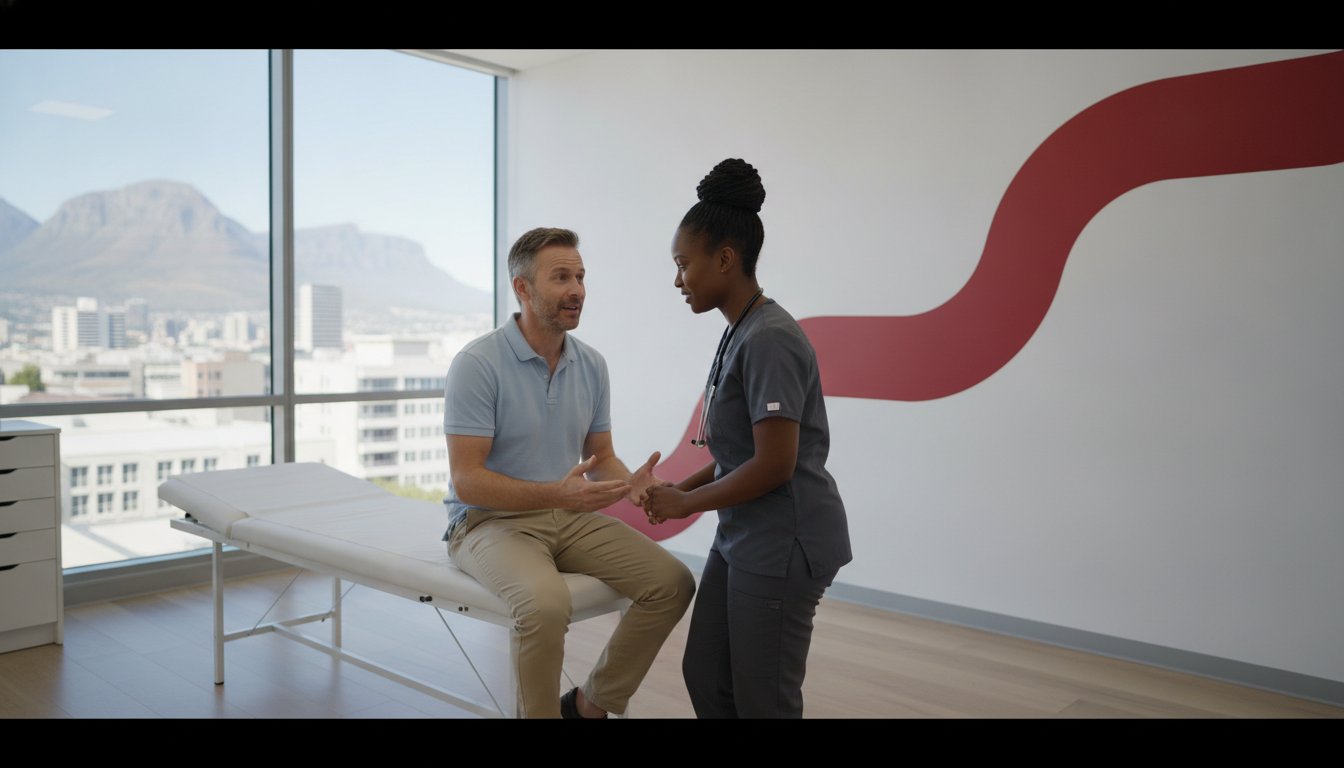
Imagine you’re preparing for a career at sea or a new life abroad, only to find yourself bouncing between different doctors who don’t have your full medical history. It’s a common challenge in South Africa, where long queues at public facilities and disconnected private consultations can leave you feeling like just another number in the system. Choosing a reliable primary healthcare clinic is the first step toward reclaiming your peace of mind and ensuring your family’s health remains the priority.
You likely want a medical partner who understands your unique needs and keeps your health journey organised. This article explains how a professional clinic serves as your central medical hub, providing a seamless bridge between routine GP consultations and the specialised regulatory medical examinations required for work or travel. We’ll explore the essential services available to you, from chronic disease management and mental health support to those vital certifications for seafarers and immigration.
Key Takeaways
- Understand how a primary healthcare clinic serves as your essential first point of contact, prioritising long-term wellness over simply treating symptoms.
- Explore the convenience of integrated care, where routine GP consultations, chronic disease management, and vaccinations are managed by a single, dedicated team.
- Contrast the advantages of private medical care, focusing on how shorter waiting times and more thorough consultations lead to better health outcomes.
- Learn how to navigate complex regulatory requirements through specialised medical examinations for immigration, seafarers, and executive wellness.
- Recognise the importance of establishing a lasting partnership with a medical provider who understands your family’s history and unique health journey.
What is a Primary Healthcare Clinic?
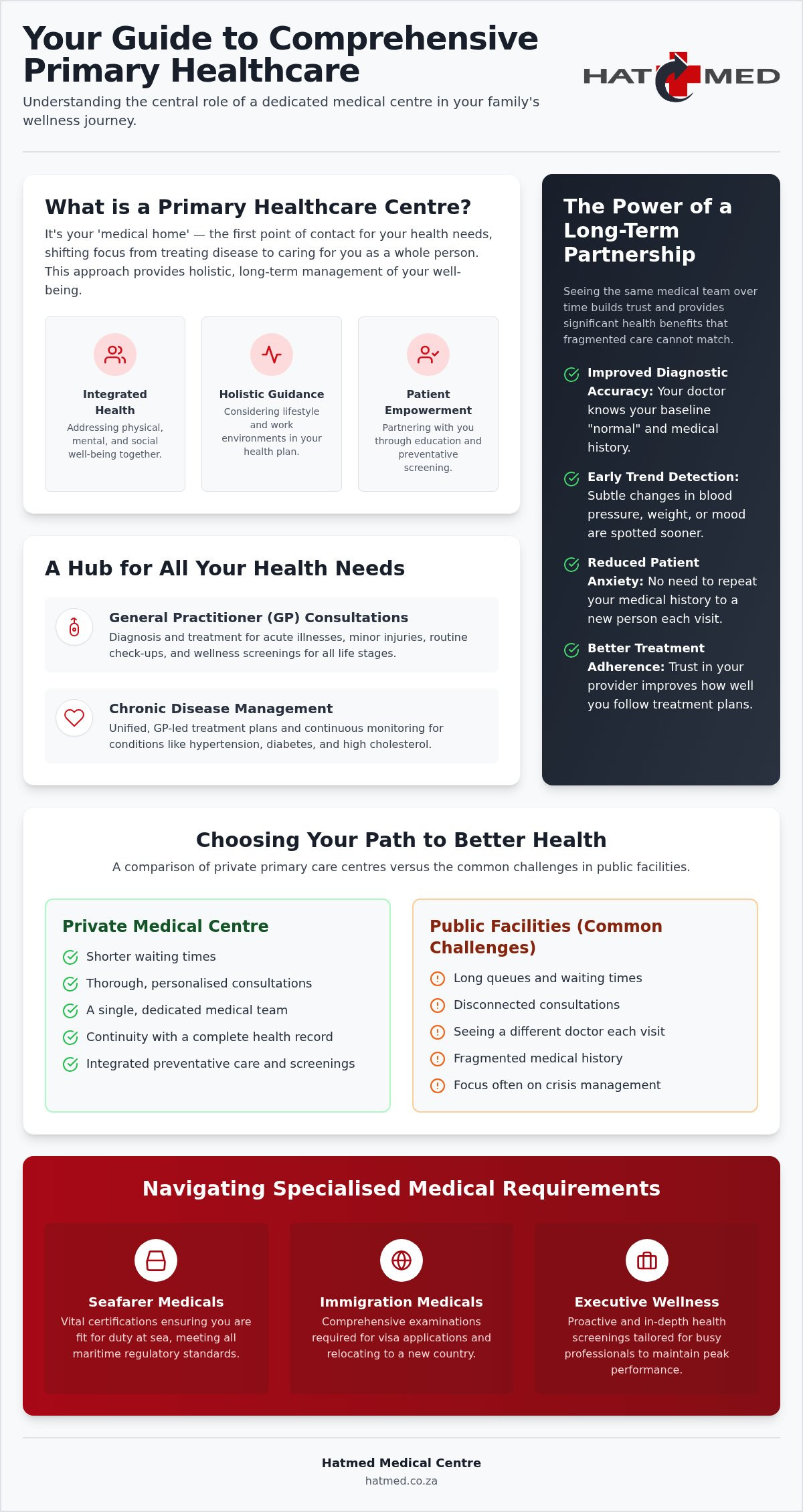
At its core, a primary healthcare clinic acts as the front door to medical support. It’s the first place you visit when you feel unwell, but its role extends far beyond treating a sudden cough or a minor injury. Unlike hospital settings that often focus on specific emergencies or isolated incidents, a primary clinic provides a “medical home” where your health is managed holistically. This approach marks a significant shift in modern medicine from being “disease-centred” to “people-centred.” Instead of just looking at a set of symptoms, your doctor looks at you as an individual within the context of your daily life.
Understanding how this fits into the broader South Africa’s healthcare system is vital for making informed choices. Private clinics serve as an efficient filter, managing the majority of health concerns locally. This ensures that expensive specialist services and hospital resources are reserved for those who truly need them, keeping the entire system more sustainable and accessible.
The Three Pillars of Primary Care
A comprehensive primary healthcare clinic rests on three essential foundations that ensure you receive well-rounded support. These pillars move beyond simple prescriptions to focus on your total well-being.
- Integrated health services: Your physical health doesn’t exist in a vacuum. A modern clinic addresses mental well-being and social factors alongside physical ailments, ensuring no part of your health is overlooked.
- Multisectoral policy: Health is influenced by where we live and work. Primary care practitioners often look at broader health determinants, such as work environment or lifestyle habits, to provide better guidance.
- Empowered communities: We don’t just treat you; we partner with you. By providing the right information and preventative screenings, we help you take charge of your own wellness journey.
Why Continuity of Care Matters
Building a relationship with a single medical centre offers benefits that a fragmented medical history simply cannot match. When you see the same GP over several years, your diagnostic accuracy improves because they understand your baseline “normal.” They aren’t just seeing a snapshot of a single day; they see the progression of your health over time.
Maintaining a comprehensive health record in one place means your doctor can spot subtle trends in your blood pressure, weight, or mood before they become serious issues. This long-term connection significantly reduces patient anxiety. You won’t find yourself repeating your entire medical history to a stranger every few months, which naturally improves how well you stick to your treatment plans. It’s about trust, stability, and having a reliable expert who knows your story.
Core Services Offered at a Comprehensive Medical Centre
A modern primary healthcare clinic is much more than a place to visit when you have the flu. It’s a hub where acute medical needs meet proactive wellness strategies. While public facilities often focus on crisis management, private centres prioritise a holistic approach. This aligns with the standards set out in South Africa’s National Health Act and 2026 reforms by the Council for Medical Schemes that emphasise service-based primary care packages. By integrating routine screenings with immediate care, these clinics help catch potential issues before they become life-altering conditions.
General Practitioner (GP) Consultations
GP consultations form the backbone of any medical centre. Whether you’re dealing with a sudden infection or a minor injury, your GP is equipped to diagnose and treat a wide range of acute illnesses. Beyond these immediate needs, consultations provide a space for routine check-ups and wellness screenings tailored to every stage of life. If you’re unsure where to start your search for a medical partner, you can explore this comprehensive guide to finding a General Practitioner near me in South Africa. These sessions aren’t just about prescriptions; they’re about building a roadmap for your future health.
Chronic Disease Management
Living with a long-term condition requires more than just medication. It requires constant monitoring and a supportive partner. A primary healthcare clinic excels at managing conditions like hypertension, diabetes, and high cholesterol. Through GP-led coordination, patients with multiple chronic conditions receive a unified treatment plan rather than fragmented advice from different specialists. This approach reduces the risk of complications and significantly improves your daily quality of life. Understanding the importance of early detection of chronic illness through routine medical checkups is a vital part of staying ahead of these conditions before they escalate.
Preventative Care and Mental Health
Preventative medicine is the most effective tool for long-term wellness. This includes a robust vaccination programme and regular screenings for blood pressure and glucose levels. Additionally, modern primary care recognises that mental health is just as critical as physical health. Managing anxiety, depression, or stress within the familiar environment of your local clinic lowers the barrier to seeking help. It ensures your mental well-being is treated with the same clinical precision and empathy as any physical ailment. If you’re ready to prioritise your health, we invite you to learn more about our patient-centred services today.
Private GP vs Public Clinic: Choosing the Best Care
Selecting where to receive your medical care is a significant decision. In South Africa, the choice often falls between a public facility and a private primary healthcare clinic. While public clinics provide essential services at a lower cost, often ranging from R20 to R100 based on income levels, they frequently struggle with high patient volumes. This often results in long waiting times and administrative hurdles that can make a simple check-up feel like a day-long ordeal. Private care, by contrast, focuses on efficiency and a more streamlined patient experience.
The value proposition of a private medical centre lies in its ability to offer personalised attention that is often impossible in the public sector. For many, the ability to book a specific time and be seen promptly is worth the out-of-pocket expense or medical aid contribution. To assist with these costs, the South African Revenue Service (SARS) provides a Medical Scheme Fees Tax Credit, which for the 2026/2027 tax year is R376 per month for the main member. This financial support makes accessing a private primary healthcare clinic a more viable option for many families seeking consistent, high-quality care.
The Advantage of Personalised Attention
One of the most significant differences you’ll notice in a private setting is the depth of the patient-doctor interaction. Private GPs typically have the flexibility to spend more time on complex medical histories. They don’t just treat the immediate ailment; they take the time to understand how your lifestyle and family history might be impacting your current wellness. This extra time allows for a more thorough diagnostic process and a stronger sense of partnership between you and your healthcare provider. If you want to ensure you’re selecting the right private doctor for your needs, reviewing a patient checklist for choosing a private doctor in South Africa can help you make a more informed decision.
Comfort and convenience also play a major role. Private clinics are designed to be welcoming environments that reduce the stress often associated with medical visits. They also offer better coordination with private laboratories and specialists. If you need blood tests or a referral, the process is handled with professional weight and speed, ensuring your health records remain comprehensive and up to date.
Access to Specialised Certifications
Public clinics are primarily geared toward essential health services and crisis management. This means they often lack the accreditation or capacity to handle specialised medical certifications. If you require an Immigration Medical Examination or a Seafarers / SAMSA Medical Examination, a private accredited clinic is often your only option. These regulatory medicals require specific training and certification that are standard in comprehensive private centres.
Choosing a private medical hub allows you to access these services in a “one-stop-shop” environment. Whether you’re a corporate executive needing a wellness check or a traveller requiring specific vaccinations, the efficiency of a private centre ensures you remain compliant with international standards without the frustration of multiple appointments at different locations. It’s about getting the right certification with the least amount of disruption to your life.
Navigating Specialised Medical Requirements
Beyond routine wellness, a comprehensive primary healthcare clinic plays a vital role in professional and legal compliance. Many industries require specific health clearances to ensure employees are safe and capable of performing their duties. These high-stakes certifications demand more than a standard check-up. They require accredited practitioners who understand international standards and local regulations. By visiting a dedicated medical hub, you ensure that your “fit for duty” status is backed by professional clinical authority.
For modern businesses, executive and pre-employment medical examinations are essential risk management tools. They provide a clear picture of an individual’s health before they step into a demanding role. This proactive approach helps companies maintain a healthy workforce whilst protecting the individual from potential workplace health risks. It’s about creating a safe environment where everyone can perform at their best. Having these assessments conducted in a primary care setting means that if a health issue is detected, a management plan can be started immediately by the same team.
Immigration and Visa Medical Examinations
When applying for a visa, the medical examination is often a critical step that cannot be overlooked. You can expect a thorough assessment that typically includes blood work and chest X-rays to screen for specific conditions required by the destination country. Accurate documentation is the foundation of a successful application. Any errors or omissions can lead to delays or even rejections, which is why visiting an experienced clinic is so important. Our practitioners understand the nuances of different visa requirements, ensuring your paperwork is completed with precision and care.
Seafarers and SAMSA Medical Exams
Maritime professionals face unique challenges whilst working in demanding offshore environments. Because of this, the South African Maritime Safety Authority (SAMSA) mandates that seafarers must be examined by a SAMSA-approved doctor. These fitness standards are rigorous. They ensure you can handle the physical and mental toll of life at sea. A certified practitioner will assess everything from vision and hearing to cardiovascular health to confirm you’re truly fit for duty. Regular check-ups help maintain your health whilst away from home, providing peace of mind for both you and your employer.
If you need to complete a regulatory check, you can book your specialised medical examination with our accredited team today.
Building a Long-term Partnership with Your Medical Centre
Establishing a consistent relationship with a primary healthcare clinic is the single most effective step you can take toward sustainable wellness. When you have a dedicated medical home, you aren’t just reacting to illness; you’re actively designing your future health. We encourage you to view your GP as a “Trusted Community Guide” rather than just someone who writes prescriptions. This partnership ensures that your medical history isn’t a collection of fragmented files, but a cohesive story that helps your doctor spot subtle changes before they become serious concerns.
This continuity makes it incredibly easy to transition between different types of care. If a routine wellness check reveals a need for more intensive monitoring, or if your career suddenly requires a specialised certification like the SAMSA or immigration medicals mentioned earlier, your clinic is already prepared. Because they know your baseline health, they can provide more accurate assessments and faster referrals, saving you time and reducing the stress of starting from scratch with a new provider.
Preventative Healthcare: The Best Medicine
The physical and financial benefits of preventative care are substantial. Catching a condition like hypertension or high blood sugar early can prevent the significant out-of-pocket expenses that many South Africans face. In the 2023/2024 period alone, out-of-pocket healthcare spending in the country reached R43 billion. By investing in annual wellness checks for the whole family, you’re protecting both your health and your household budget. These visits allow for essential screenings and vaccinations that keep your immune system resilient.
This proactive approach also extends to your lifestyle beyond the home. If you’re planning international travel, utilising a dedicated travel clinic within your medical centre ensures you’re protected against regional health risks. Whether it’s malaria prophylaxis or required yellow fever shots, having these services integrated into your primary care hub means your travel health is managed with the same clinical authority as your daily wellness.
Organise Your Consultation Today
Preparing for your first visit to a primary healthcare clinic is a simple process that sets the stage for a successful partnership. To make the most of your consultation, it’s helpful to bring along any previous health records, a list of current medications, and your medical aid details. If you’re visiting for a specialised regulatory exam, ensure you have the specific forms or requirements provided by your employer or the relevant embassy. This preparation allows your doctor to focus entirely on your well-being during your time together.
Your health is your most valuable asset. By choosing a reliable medical partner today, you’re ensuring that you and your family have the support needed for every stage of life. If you’re ready to prioritise your long-term wellness, we invite you to book your next health assessment and take the first step toward a healthier, more organised future.
Take the Next Step Toward a Healthier Future
Choosing the right primary healthcare clinic is about more than just finding a doctor; it’s about securing a reliable partner for every stage of your life. By moving away from the fragmented care and long queues often found in public facilities, you gain access to a patient-centred private healthcare environment where your time and well-being are the priority. Whether you need comprehensive chronic wellness programmes or routine family check-ups, having a central medical hub ensures your health history is always organised and accessible.
We understand that professional life often comes with its own set of health requirements. From immigration clearances to certifications from SAMSA-approved medical practitioners, we provide the expert support needed to keep you compliant and fit for duty. You don’t have to navigate these complex regulations alone when you have a trusted guide in your corner. Our team is dedicated to empowering you with the knowledge and care required to stay ahead of potential health challenges.
Your journey toward sustainable health starts with a single proactive choice. We invite you to book your consultation at Hatmed Medical Centre today and experience a more supportive approach to medicine. It’s time to prioritise your peace of mind and invest in a wellness partnership that grows with you.
Frequently Asked Questions
What is the difference between a primary healthcare clinic and a hospital?
A primary healthcare clinic serves as your first point of contact for non-emergency medical needs and preventative care. Hospitals focus on acute emergencies, specialist surgeries, and in-patient care. By visiting a clinic, you receive personalised attention for routine illnesses and chronic conditions in a more accessible setting. This keeps hospital resources available for life-threatening situations whilst ensuring your everyday health concerns are managed by a doctor who understands your medical history.
Do I need a referral to visit a primary healthcare clinic?
You don’t need a referral from another doctor to book an appointment at our centre. Most private primary healthcare clinics operate on an appointment basis, allowing you to schedule a time that suits your daily routine. This direct access makes it easier to address new symptoms or health concerns as they arise. Simply contact the clinic to organise your visit, whether you’re seeking a routine GP consultation or a specialised professional medical certification.
What services are included in a routine medical check-up?
A routine check-up typically involves a physical examination, vital sign monitoring, and a discussion about your general well-being. Your doctor will check your blood pressure, heart rate, and glucose levels to screen for early signs of chronic illness. Depending on your age and health history, the consultation might also include blood tests or specific screenings. These sessions provide an excellent opportunity to update your vaccinations and discuss any lifestyle changes that support long-term wellness.
Can a primary healthcare clinic manage mental health conditions?
Yes, our GPs are trained to provide comprehensive mental health management for conditions like anxiety, depression, and stress. We offer a safe and supportive environment to discuss your emotional well-being alongside your physical health. Your doctor can help with initial diagnoses, prescribe appropriate medications, and monitor your progress. If your condition requires more specialised intervention, your primary care team will coordinate a referral to a trusted psychologist or psychiatrist who can provide further support.
How do I know if a clinic is authorised to perform SAMSA medicals?
To perform these examinations, a doctor must be specifically accredited and listed on the official South African Maritime Safety Authority (SAMSA) register. You can verify this by checking the current SAMSA list of approved medical practitioners or by asking the clinic directly about their certifications. Our practitioners are fully authorised to conduct these specialised assessments, ensuring your fitness-for-duty certificate meets all maritime regulatory standards and international compliance requirements for seafarers working in demanding offshore environments.
Are vaccinations available for adults at primary clinics?
Adult vaccinations are a core part of preventative care at any comprehensive medical centre. We offer a range of immunisations, including annual flu shots, tetanus boosters, and shingles vaccines. If you’re planning an international trip, our travel clinic services provide essential protection against regional risks like yellow fever or hepatitis. Staying up to date with your vaccinations is one of the simplest ways to protect your long-term health and prevent serious illnesses in later life.
What should I bring to an immigration medical examination?
You’ll need to bring your original passport, the specific medical forms provided by the relevant embassy, and any previous immunisation records. It’s also helpful to have a list of current medications and details of any past surgeries or chronic conditions. Because these exams are highly regulated, having your documentation ready ensures the process remains efficient. Our team will guide you through the required tests, which often include blood work and chest X-rays to meet international requirements.
Why is chronic disease management better handled by a GP?
Managing chronic conditions like diabetes or hypertension with a GP ensures continuity of care that specialists often can’t provide. Your GP sees the “big picture” of your health, monitoring how different treatments interact and adjusting your plan as your needs change over time. This ongoing relationship allows for better coordination of care and more consistent monitoring. It’s about having a steady partner who helps you avoid complications and maintains your daily quality of life through tailored treatment. To ensure you find the right GP for your ongoing needs, consider using a structured guide to choosing a private doctor for GP consultation for chronic medication management and long-term wellness.