

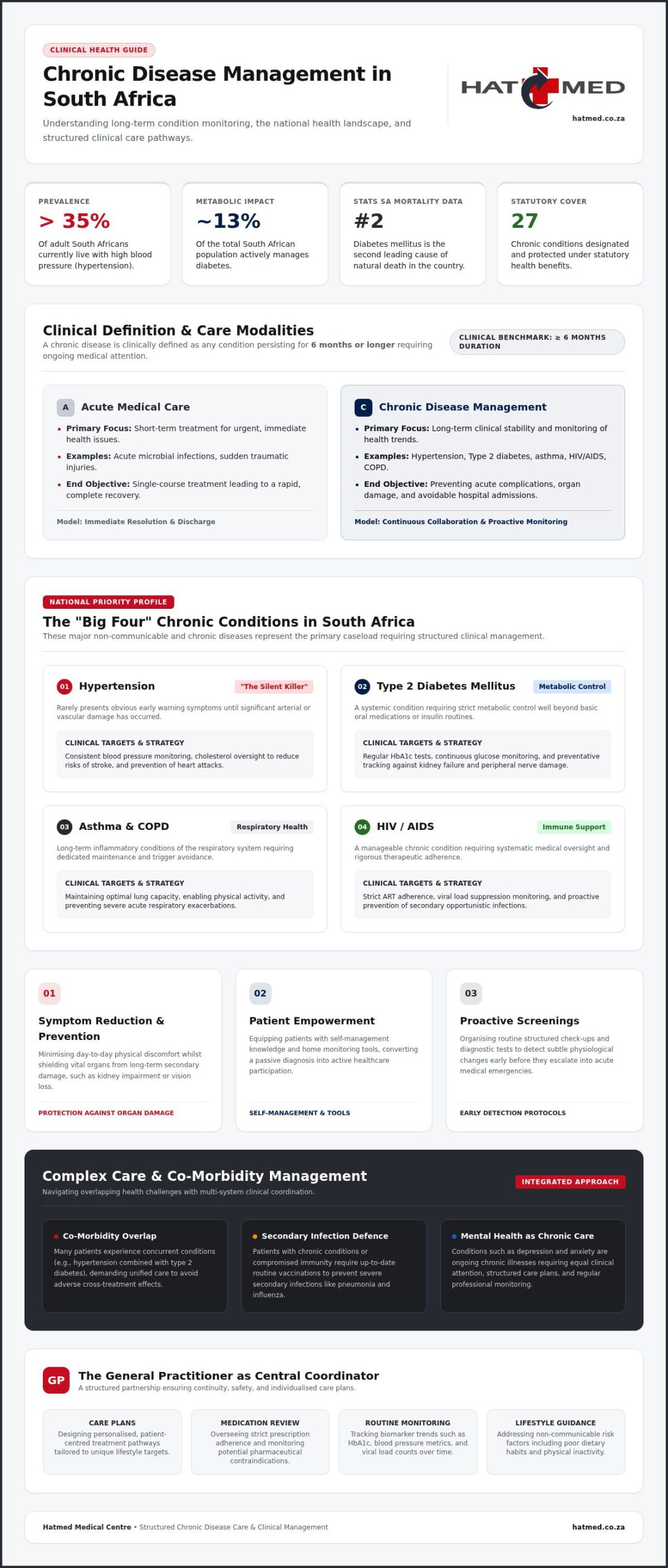
Did you know that more than 35% of adult South Africans are currently living with high blood pressure, whilst nearly 13% of the population manages diabetes? It’s a staggering reality that highlights just how common long-term health challenges have become. If you’ve recently received a diagnosis, it’s completely natural to feel overwhelmed by medication schedules or anxious about how your condition might progress. Effective chronic disease management isn’t just about ticking boxes at a clinic; it’s about reclaiming your sense of security and well-being.
We understand that a diagnosis shouldn’t define your daily life. This guide will show you how a structured, patient-centred approach can significantly improve your quality of life and long-term health outcomes. We’ll explore the essential components of a manageable treatment plan, from monitoring targets like HbA1c levels to understanding the 27 conditions covered by statutory benefits. By the end of this article, you’ll have a clear roadmap to navigate your health with confidence, supported by a professional clinical partnership that prioritises your personal goals and peace of mind.
Key Takeaways
- Understand why professional monitoring is essential for conditions lasting six months or more to maintain your long-term well-being.
- Identify the “Big Four” chronic conditions in South Africa and learn how to manage their impact on your daily lifestyle.
- Discover the vital role your GP plays as a central coordinator in effective chronic disease management and the creation of personalised care plans.
- Gain practical strategies for daily health, including the importance of strict medication adherence and the use of home monitoring tools.
- Explore how a patient-centred medical partnership provides the comprehensive support and routine screenings needed for a healthier future.
What is Chronic Disease Management and Why Does it Matter?
Chronic disease management is a collaborative process designed to support individuals living with long-term health conditions. In clinical terms, a chronic disease is any condition that persists for six months or longer and requires ongoing medical attention. Unlike a temporary illness, these conditions don’t simply “clear up” with a single course of treatment. Instead, they require a thoughtful combination of prescribed medication, routine monitoring, and sustainable lifestyle adjustments.
Amongst the South African population, non-communicable diseases (NCDs) are a growing concern. Statistics South Africa indicates that diabetes mellitus is now the second leading cause of natural death in the country. This highlights why professional oversight is so vital. The ultimate goal of a structured management plan is to prevent serious complications and avoidable hospitalisation whilst ensuring you can function at your best every single day.
The Difference Between Acute and Chronic Care
Acute care focuses on short-term treatment for urgent, immediate issues like infections or sudden injuries. The goal is a quick recovery. In contrast, chronic care management prioritises stability and long-term health trends. It’s a shift in mindset. A “quick fix” mentality doesn’t work for conditions like hypertension or heart disease. These require a steady, methodical approach to keep symptoms under control over many years.
Common Goals of a Management Programme
A well-organised programme does more than just track numbers. It focuses on several key areas:
- Symptom reduction: Minimising daily discomfort and preventing secondary health issues such as kidney damage or vision loss.
- Patient empowerment: Giving you the tools and knowledge to take control of your own health journey. You become an active partner in your care.
- Proactive screenings: Organising regular check-ups to catch subtle changes in your health before they become emergencies.
By focusing on these outcomes, effective chronic disease management helps you maintain your independence and quality of life for the long term. It transforms a daunting diagnosis into a manageable part of your daily routine.
Common Chronic Conditions Requiring Professional Management
In South Africa, the landscape of long-term health is dominated by what many clinicians call the “Big Four”: hypertension, diabetes, asthma, and HIV/AIDS. These conditions represent the majority of patients requiring structured chronic disease management. However, effective care isn’t just about treating one ailment in isolation. Many patients experience co-morbidity, where two or more conditions overlap, such as high blood pressure and type 2 diabetes. This complexity requires an integrated approach to ensure treatments for one condition don’t negatively impact another. As highlighted in the World Health Organization noncommunicable diseases fact sheet, managing risk factors like physical inactivity and poor diet is essential for all chronic patients.
Cardiovascular and Metabolic Health
Hypertension is often referred to as a “silent killer” because it rarely shows obvious symptoms until significant damage has occurred. Constant monitoring is the only way to ensure your blood pressure remains within safe targets. Working with a dedicated hypertension management doctor is increasingly important, given that fewer than one in ten South Africans with high blood pressure currently have their readings successfully under control. Similarly, managing Type 2 Diabetes goes far beyond just taking insulin or oral medication. It involves regular HbA1c tests and careful monitoring of glucose levels to prevent long-term complications like nerve damage or kidney failure. Proactive cholesterol management serves as a critical preventative measure for heart health, reducing the risk of stroke and heart attacks amongst high-risk individuals.
Respiratory and Immune System Support
Conditions like asthma and Chronic Obstructive Pulmonary Disease (COPD) require dedicated management to maintain lung function and allow for a physically active life. For those living with HIV, your General Practitioner acts as a vital ally in ensuring ART adherence and monitoring your viral load. Patients with compromised immune systems also require specific preventative care. This includes staying up to date with routine vaccinations to protect against secondary infections like pneumonia or influenza.
It’s also essential to recognise that mental health conditions, such as depression and anxiety, are chronic illnesses that require the same level of professional attention as physical ailments. Mental well-being is often deeply linked to physical health. For instance, the anxiety surrounding a new diagnosis can impact your ability to follow a treatment plan. If you’re feeling overwhelmed, a depression treatment GP consultation can help you find a balanced path forward that addresses both your physical and emotional needs.
The Role of Your General Practitioner in Chronic Care
Your General Practitioner serves as the central coordinator for your entire medical team. They aren’t just there for when you feel ill; they’re the steady partner who oversees the complexities of your long-term health. This is especially true when dealing with co-morbidities where multiple conditions interact. A GP ensures that your various treatments work in harmony, preventing conflicting medications or redundant tests. This coordinated approach is a cornerstone of effective chronic disease management, ensuring no aspect of your well-being is overlooked.
Beyond initial diagnosis, your GP manages the ongoing rhythm of your care. This includes routine script renewals and adjusting dosages based on clinical data like blood pressure readings or glucose levels. Following the CDC’s guidance on living with a chronic condition, routine wellness checks are vital to catch subtle changes in disease progression. By conducting biannual biomarker audits, your doctor can make proactive changes to your treatment plan. They also assist with the registration for Prescribed Minimum Benefits (PMBs). In South Africa, medical schemes are legally mandated to cover 27 specific chronic conditions, but accessing this cover requires your doctor to coordinate the clinical registration process.
Personalised Treatment Plans
Every patient brings a unique set of circumstances to the consultation room. A “one-size-fits-all” treatment often fails in chronic disease management because it ignores your specific family history and lifestyle. Your GP sees the whole person. Having a single medical record that tracks your health over several years allows your doctor to identify patterns that a specialist might miss. They create a tailored plan that suits your daily routine. This personalised approach ensures that your treatment is both effective and sustainable for the long term.
Mental Health Support within Primary Care
Living with a long-term illness carries a significant emotional toll. It’s common to feel overwhelmed by a new diagnosis or anxious about the future. Within the primary care setting, your GP provides a safe, supportive space to discuss these feelings. Mental health management is integrated directly into your physical health monitoring. This holistic view ensures that stress, anxiety, or depression are treated with the same clinical precision and empathy as any physical symptom, fostering a sense of security on your health journey.
Practical Strategies for Daily Chronic Disease Management
Effective chronic disease management relies on the choices you make between doctor visits. Whilst your GP provides the clinical roadmap, you’re the one behind the wheel every day. Taking an active role in your care doesn’t just improve your clinical numbers; it gives you back a sense of control that a new diagnosis often takes away. Success comes from small, consistent actions that protect your health over the long term.
Adherence is the single most important factor in successful management. Skipping even a single dose of blood pressure or heart medication can be dangerous, as it often leads to “rebound” symptoms or silent damage to your organs. It’s essential to understand that medication works best when a consistent level is maintained in your bloodstream. Consistency prevents the peaks and troughs that can lead to sudden complications or hospitalisation.
Mastering Medication and Monitoring
Organising your daily routine makes adherence much easier. Consider using pill organisers or setting recurring alarms on your phone to ensure you never miss a dose. It’s also helpful to keep a health diary. By tracking your daily blood pressure readings or glucose levels alongside how you feel, you provide your GP with invaluable data. This allows for much more precise adjustments during your consultations, as your doctor isn’t just looking at a single snapshot in time. If you’re unsure how to use home monitoring kits correctly, you can book a chronic disease management consultation to receive practical training and support.
Lifestyle Adjustments that Support Clinical Care
Clinical treatment is most effective when supported by a wellness-first lifestyle. Nutrition plays a direct role in how your body responds to medication. For instance, reducing salt intake significantly lowers the workload on your heart, whilst a low-glycaemic diet helps stabilise blood sugar levels for those with diabetes. These aren’t just “good habits”; they’re functional parts of your medical treatment that can reduce the need for higher dosages later.
Don’t overlook the impact of sleep and stress management. High cortisol levels from chronic stress can trigger inflammation and make it harder to control conditions like asthma or hypertension. Finding a balance between traditional medicine and holistic habits, such as moderate daily walking or mindfulness, creates a stronger foundation for your health. Making these adjustments slowly ensures they become permanent parts of your lifestyle rather than temporary changes.
Partnering with Hatmed for Long-Term Health Outcomes
Choosing the right partner for your health journey is one of the most significant decisions you can make. At Hatmed Medical Centre, we believe that effective chronic disease management is rooted in a deep sense of partnership and mutual trust. We don’t just see a list of symptoms or a set of lab results; we see you as an individual with unique goals, lifestyle preferences, and concerns. Our role is to act as your steady ally, providing the professional clinical authority you need whilst maintaining a warm, community-oriented atmosphere where you feel heard and supported.
A collaborative approach ensures that your treatment plan is actually sustainable. If a plan doesn’t fit your daily life, it won’t work in the long run. By working closely with our General Practitioners, you move away from the anxiety of the unknown and toward a structured, manageable path. We provide clear, medically grounded advice that empowers you to make informed decisions about your well-being. This sense of security is essential for anyone navigating the long-term progression of a disease.
Our Approach to Chronic Wellness
Our clinical philosophy centres on the individual rather than just the diagnosis. This personal connection is what builds lasting trust. We understand that navigating the complexities of chronic disease management, from script renewals to biannual biomarker audits, can feel overwhelming. Our team is dedicated to simplifying this process. We offer a comprehensive suite of primary healthcare services under one roof, including routine vaccinations and mental health support. This integrated model ensures your care is seamless and efficient, valuing both your time and your peace of mind.
Taking the Next Step for Your Health
The first step toward a more organised health journey is establishing a clear baseline. An initial consultation allows us to review your history, conduct necessary screenings, and set realistic health targets. Beyond daily wellness, we also provide specialised support for specific life requirements. Whether you need an immigration medical examination or seafarers / SAMSA medical examinations, we help you organise your medical requirements for work or travel with professional precision. For patients planning international travel, it is equally important to coordinate your ongoing chronic prescriptions with your pre-departure health needs by consulting an accredited travel clinic near me that can align your travel vaccinations with your existing treatment plan.
Taking control of a long-term condition is a proactive choice that pays dividends for years to come. It’s about ensuring that your health supports your life, rather than restricting it. We invite you to join our community of patients who prioritise proactive care and long-term vitality. Book your chronic wellness check with Hatmed today and let us help you navigate your path to better health.
Reclaiming Your Health for the Future
Reclaiming your health is a journey that doesn’t have to be walked alone. Effective chronic disease management is far more than just a series of medical appointments; it’s a proactive lifestyle supported by professional clinical expertise. By focusing on consistent medication adherence and regular biomarker monitoring, you can significantly lower the risk of complications and hospitalisation. Your General Practitioner acts as a vital coordinator, ensuring your treatment plan is tailored to your unique needs and personal health goals. Consistency is your greatest tool.
At Hatmed Medical Centre, we’re committed to providing expert GP-led chronic care within a supportive and patient-centric environment. Our comprehensive primary healthcare services are designed to offer you the security and reliability you deserve as you navigate your long-term wellness. If you’re ready to move from feeling overwhelmed to feeling empowered, we invite you to book a chronic disease management consultation with Hatmed today. Taking the first step now ensures a more stable and vibrant future. You have the power to shape your health outcomes, and we’re here to help you every step of the way.
Frequently Asked Questions
What is the most effective way to manage a chronic disease?
The most effective way to approach chronic disease management is through a structured partnership with your General Practitioner. This involves a combination of consistent medication adherence, regular clinical monitoring, and sustainable lifestyle adjustments. By tracking your health data and attending scheduled reviews, you ensure that your treatment plan remains effective as your needs change over time. This collaborative approach prioritises your long-term quality of life and prevents sudden health complications.
Can chronic diseases be cured through lifestyle changes alone?
Whilst lifestyle changes are a cornerstone of health, most chronic diseases are managed rather than cured. Conditions like Type 2 Diabetes or hypertension often require lifelong monitoring and, in many cases, prescribed medication to maintain stable levels. Lifestyle adjustments like a balanced diet and regular activity support your clinical treatment but don’t replace it. Focusing on management allows you to live a full, active life whilst keeping your condition under control.
How often should I visit my GP for a chronic condition check-up?
Most patients should visit their doctor at least every six months for a comprehensive chronic condition check-up. These visits are essential for renewing 6-month prescriptions and conducting vital biomarker audits, such as HbA1c tests or lipid lipograms. If your condition is newly diagnosed or currently unstable, your GP might recommend more frequent consultations until your targets are met. Consistent monitoring is the best way to catch subtle changes early.
Is depression considered a chronic disease in South Africa?
Yes, certain mental health conditions are classified as chronic diseases and are included in the South African Chronic Disease List (CDL). Whilst Major Depression isn’t always on the statutory 27-condition list, it often requires long-term clinical management. Your GP can provide integrated support for both your physical and emotional well-being. This ensures that conditions like anxiety or depression are treated with the same clinical precision as any physical ailment.
What should I bring to a chronic disease management consultation?
To get the most from your chronic disease management consultation, you should bring a complete list of your current medications and dosages. It’s also helpful to provide any home-monitoring data you’ve collected, such as a diary of blood pressure or glucose readings. If you’ve recently seen a specialist or had pathology tests elsewhere, bring those reports along. This information helps your GP create a precise and effective treatment plan.
Does medical aid cover chronic disease management programmes?
Most South African medical aids cover chronic disease management programmes through the Prescribed Minimum Benefits (PMB) framework. To access this cover, you must register your condition on your scheme’s Chronic Illness Benefit with your GP’s assistance. This statutory benefit ensures that the diagnosis, medical management, and formulary medication for 27 specific conditions are covered, regardless of your specific medical aid plan tier or savings.
How do I know if my condition is classified as chronic?
A condition is generally classified as chronic if it persists for six months or longer and requires ongoing medical attention. In the South African healthcare context, many conditions are also included in the statutory list of 27 chronic diseases covered by medical schemes. If you’re unsure, your GP can confirm your status during a consultation and explain the necessary steps for professional monitoring and registration.
Can my GP help me manage multiple chronic conditions at once?
Your GP is the ideal professional to help you manage multiple chronic conditions at once. This is often referred to as managing co-morbidities. Because GPs have a holistic view of your health, they can ensure that treatments for different conditions don’t conflict with one another. They act as the central coordinator for your care, organising your various prescriptions and screenings into one cohesive and manageable health strategy.