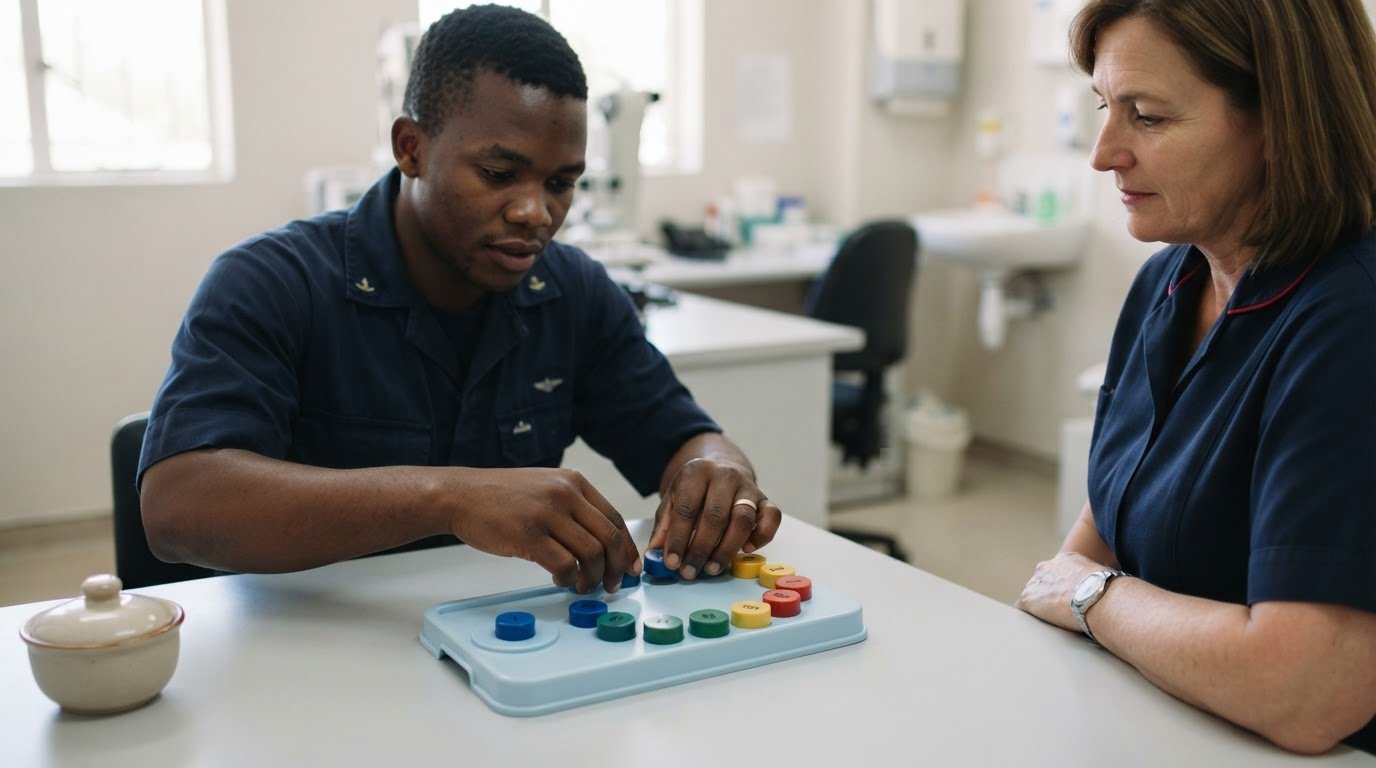
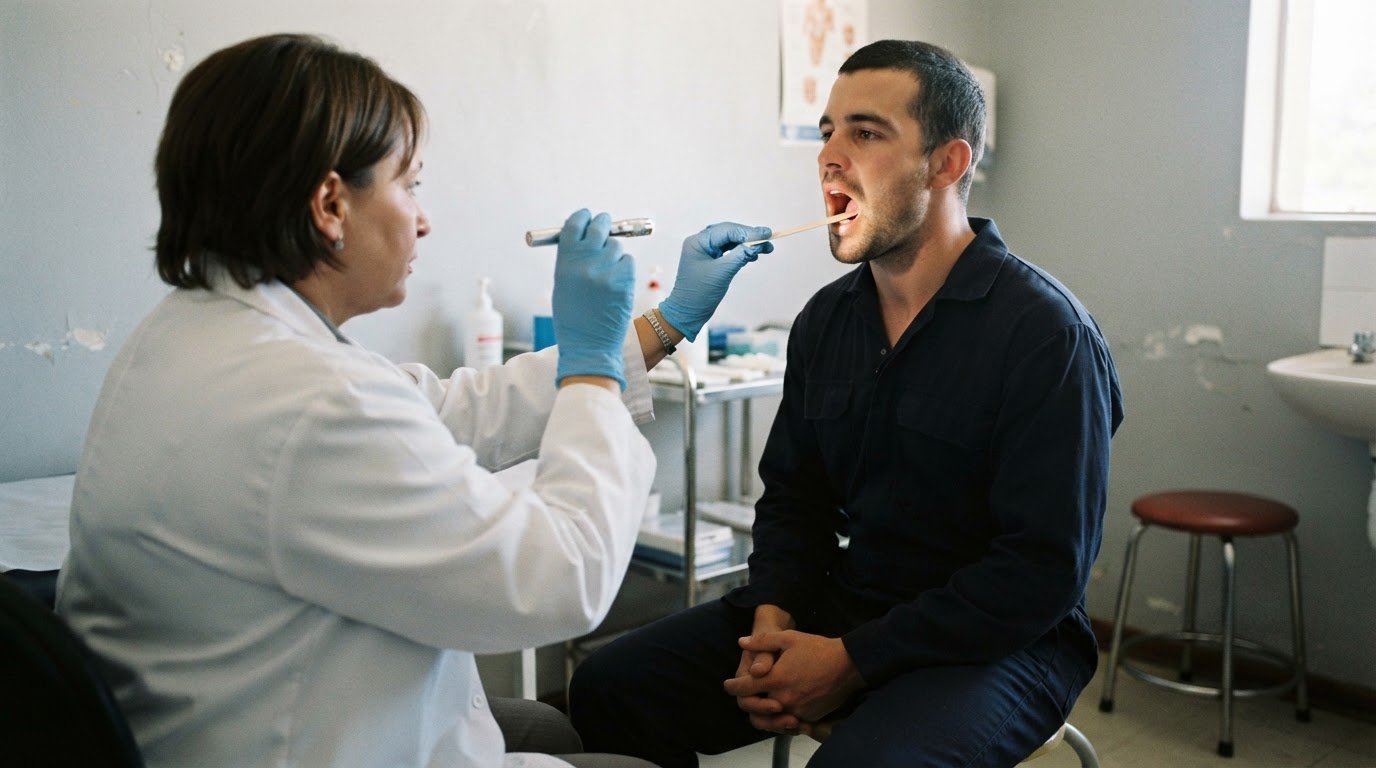
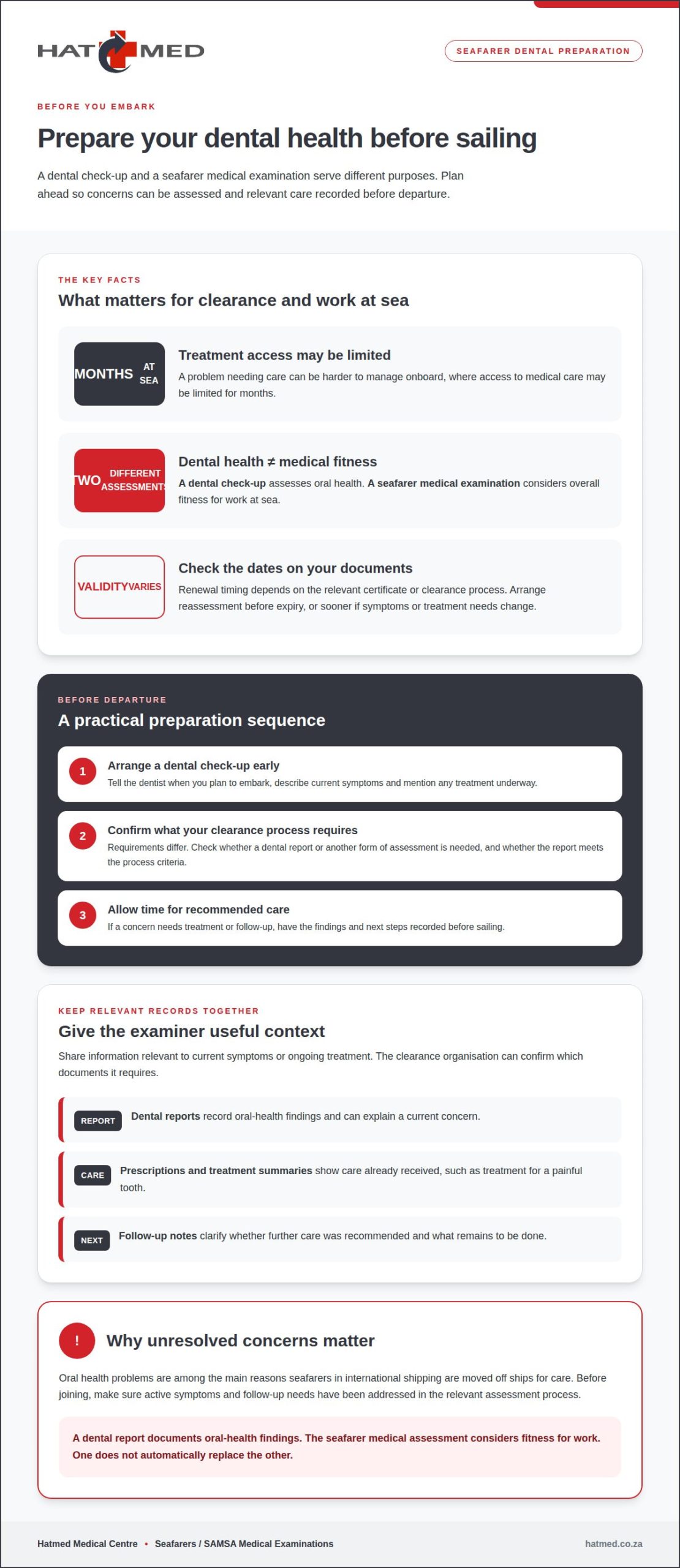
A dental check-up before sailing is practical preparation, not just routine upkeep. For seafarer dental health requirements for international clearance, start with regular dental check-ups, especially before embarking. A problem that needs treatment may be harder to manage at sea, where access to medical care can be limited for months.
It’s understandable to wonder whether a dental issue could affect your medical fitness or delay your plans. Oral health problems are among the main reasons seafarers in international shipping are moved off ships for care, so addressing concerns before departure can matter.
This article explains when to arrange a check-up, how dental health may be considered during a seafarer medical examination, and what to expect from the process in South Africa. It also clarifies the difference between maintaining healthy teeth and gums before a voyage and meeting the medical fitness requirements relevant to work at sea.
Key Takeaways
- Learn how to time a dental check-up before embarking and why it can help you address concerns before a voyage.
- Understand how oral health may be considered as part of your overall medical fitness for work at sea.
- Find out what to expect from the dental assessment and tests associated with a seafarer medical examination.
- Explore what to consider around certificate validity and renewal, and how Hatmed Medical Centre’s Seafarers / SAMSA Medical Examinations can support your preparation.
Dental check-ups before embarking
Plan a dental check-up before embarking so any concerns can be assessed before departure. Seafarer dental health requirements for international clearance depend on the applicable clearance process, so arrange the examination early enough to address any findings.
Dental documents and treatment records
Dental documents and treatment records provide information about oral-health assessments and care already received. They can help explain a current concern during a medical assessment. Keep relevant reports, prescriptions, and follow-up notes together. For example, if a dentist has treated a painful tooth, a brief treatment summary can explain what was done and whether further care was recommended.
There isn’t one set of documents that applies to every international clearance process. Ask the organisation handling your clearance which records it requires. Share documents relevant to current symptoms or ongoing treatment, rather than unrelated paperwork. This helps the examiner understand your dental history without mistaking a past issue for a current one.
Approved dental examinations in South Africa
Seafarers in South Africa can arrange a dental examination with a dentist, then check the clearance process requirements to see whether the report meets them. The distinction matters: a routine dental check-up assesses oral health, while a seafarer medical examination considers overall fitness for work at sea.
Before booking, find out whether your clearance process requires a dental report or another form of assessment. Seafarer dental health requirements for international clearance do not replace the process’s own criteria. Tell the dentist when you plan to embark, describe any current symptoms, and mention treatment underway. If follow-up is recommended, request a written record of the findings and next steps.
Allow time before departure for any recommended care. If an assessment identifies a concern that needs treatment, having the details recorded before sailing can help clarify your situation during the medical fitness assessment. Keeping relevant records organised also makes it easier to give a consistent account of your oral health.
Seafarer medical examinations and fitness to work
A seafarer medical examination considers whether health concerns could affect work at sea. Dental fitness matters because access to treatment may be limited during a voyage.
Dental clearance validity and renewal
Dental clearance validity is the period during which a particular clearance process accepts an assessment. Renewal timing depends on the relevant certificate or clearance process, rather than on one period that applies to every international voyage. Use the validity date shown on your documents to plan ahead. Arrange reassessment before it expires, or sooner if symptoms or treatment needs change.
Examinations and tests for a seafarer medical certificate
A seafarer medical examination assesses overall fitness, while a dental examination focuses on oral health. The exact dental checks and tests depend on the assessment process and any concerns identified. A dentist may consider symptoms, treatment already completed, and care still needed. These details help explain whether an oral health issue could affect duties during a voyage.
There is no sound basis for assuming every certificate includes the same dental test. A dental report and a seafarer medical certificate also serve different purposes. The report records oral-health findings; the medical assessment considers fitness for work. Clear records help the examiner understand relevant treatment and follow-up needs.
Risks of failing dental clearance
An unresolved dental problem can disrupt a seafarer’s plans if it requires treatment during a voyage. Oral health problems are among the main reasons seafarers in international shipping are moved off ships for care. Since access to treatment can be limited for months at sea, a problem needing attention may become difficult to manage onboard.
If required clearance is missing, you may be unable to demonstrate the medical fitness needed for your planned work. Before joining, make sure the assessment process has addressed any active symptoms and follow-up care. For a South African assessment of overall fitness, a Seafarers / SAMSA Medical Examination can form part of your preparation.
What dental examination and tests are included in a seafarer medical certificate?
A seafarer medical certificate records an assessment of fitness for work at sea; it should not be treated as a detailed dental chart. The dental component may depend on the examination process and any oral-health concerns raised. For example, a report of ongoing tooth pain may warrant closer attention than a history with no current symptoms.
A dental assessment may involve examining the teeth and gums and discussing symptoms or treatment. Examples include persistent pain, a damaged tooth, or unfinished care. These details help explain whether an oral-health concern needs attention in relation to duties at sea. The assessment focuses on the individual’s findings rather than assuming every seafarer has the same dental needs.
There is no single set of dental tests that applies to every seafarer medical certificate. A dentist may recommend further assessment or treatment if an examination identifies a concern. That recommendation differs from a routine check and does not automatically determine the outcome of the overall medical fitness assessment.
To make the examination useful, describe your current symptoms clearly and mention any treatment you have received. A recent dental report can explain an issue, while a treatment plan can clarify what remains to be done. For instance, if a dentist recommended follow-up after treating a tooth, that information gives the medical examiner context about your current situation.
- Dental findings: note symptoms and relevant observations from the dental assessment.
- Treatment history: include care already completed for a current concern.
- Follow-up: record any recommended next steps or continuing treatment.
Keep the distinction clear: a dentist assesses oral health, while a seafarer medical examination considers fitness for work. If a dental issue needs attention, its symptoms, treatment status, and likely follow-up provide useful context for the assessment. The exact examination and any additional tests depend on the case and the process being followed.
Seafarer dental clearance validity and renewal
There is no single dental-clearance validity period that applies to every South African seafarer. Renewal depends on the expiry date and conditions of the relevant medical certificate or clearance process.
Check the expiry date on your current certificate and compare it with your next planned embarkation. A dental report may document an examination or treatment, but it does not automatically extend a separate medical certificate. For example, a recent dental assessment cannot replace a certificate that has reached its stated expiry date.
Plan your next assessment around the certificate’s expiry date and the clearance process for your voyage. Allow time for review if a new symptom appears or dental treatment is still underway. A change in your health can make an older dental report less useful for describing your current condition, even if you still have it on file.
- Record the expiry date printed on your current medical certificate.
- Note the embarkation date and the clearance process that applies.
- Arrange a new assessment if symptoms develop or treatment changes.
- Keep updated dental records with documents relevant to current care.
Renewal is also a good time to update records after treatment. If a dentist has completed care since your previous assessment, a current summary can show what changed and whether follow-up is still needed. If treatment is pending, include that information so the examiner has a clear account of your current dental status.
For a South African seafarer medical assessment, arrange a Seafarers / SAMSA Medical Examination as part of preparing for renewal. The assessment can consider your current medical fitness alongside relevant dental information. Keep certificate expiry, voyage planning, and any recent changes in your health in view as you prepare.
Hatmed Medical Centre: Seafarers / SAMSA Medical Examinations
Hatmed Medical Centre offers Seafarers / SAMSA Medical Examinations for seafarers preparing for a medical fitness assessment in South Africa. If you are planning an embarkation or arranging a renewal, this is a relevant next step in assessing your overall medical fitness for work at sea.
Bring relevant dental reports or treatment records to your assessment, particularly if you have current symptoms or follow-up care underway. These documents can provide context about your oral health, while the medical examination considers your fitness for seafaring work. A dental report is not a substitute for the seafarer medical examination.
If you’re preparing for a seafarer medical assessment, contact Hatmed Medical Centre to discuss the next step.
Prepare your next step with confidence
Use your upcoming embarkation or certificate renewal as a prompt to organise your health information and address concerns that could affect your work at sea. Understanding seafarer dental health requirements for international clearance can help you plan, but the documents and assessment you need depend on your clearance process.
For medical support in South Africa, Hatmed Medical Centre offers Seafarers / SAMSA Medical Examinations, General Practitioner Consultations, and Immigration Medical Examinations. These services address different needs, so choose the one that matches your reason for seeking care.
If you’re preparing for a seafarer medical examination, contact Hatmed Medical Centre to discuss your next step. A considered plan can help you approach your assessment with greater clarity and confidence.
Frequently Asked Questions
What dental health standards are required for international seafarer medical clearance?
There isn’t one dental pass mark that applies to every international clearance process. The assessment considers whether an oral-health concern could affect a seafarer’s ability to work safely or require treatment during a voyage. For example, current pain or unfinished care may need attention. The applicable certificate and clearance process determine how findings are considered, so distinguish a dental report from medical clearance.
Which dental conditions can make a seafarer medically unfit for duty?
A dental condition may affect fitness if its symptoms or treatment needs could interfere with duties at sea. Examples include significant pain, a dental infection, or a damaged tooth requiring prompt care. These concerns don’t automatically mean a seafarer is unfit. Their current effects, treatment status, and likelihood of needing further attention during the voyage are relevant to the medical assessment.
Do IMO, ILO, or flag-state rules specify dental requirements for seafarers?
Don’t assume that naming IMO, ILO, or a flag state gives you one dental checklist for every vessel. The requirements for an individual seafarer depend on the applicable medical assessment and clearance process. Ask the organisation responsible for your clearance which standard applies and how it considers dental findings. This helps distinguish international maritime frameworks from the specific documents needed for your voyage.
What steps should a seafarer take to get dental clearance before joining a ship?
Start by arranging a dental assessment before joining, then explain any symptoms and treatment you have received. Ask the dentist for a written summary of relevant findings and ongoing care. Next, establish which documents the clearance process requires and provide them for the medical assessment. For example, a note about completed treatment can clarify a previous concern, while details of pending care show what still needs attention.
Can urgent dental problems or missing teeth affect fitness to work at sea?
Yes, an urgent dental problem can affect fitness if pain or required treatment makes duties difficult or creates a need for care at sea. Missing teeth alone don’t establish that someone is unfit. The assessment considers their effect on function and any related symptoms. For instance, a painful tooth needing urgent treatment raises a different concern from a missing tooth without current symptoms.