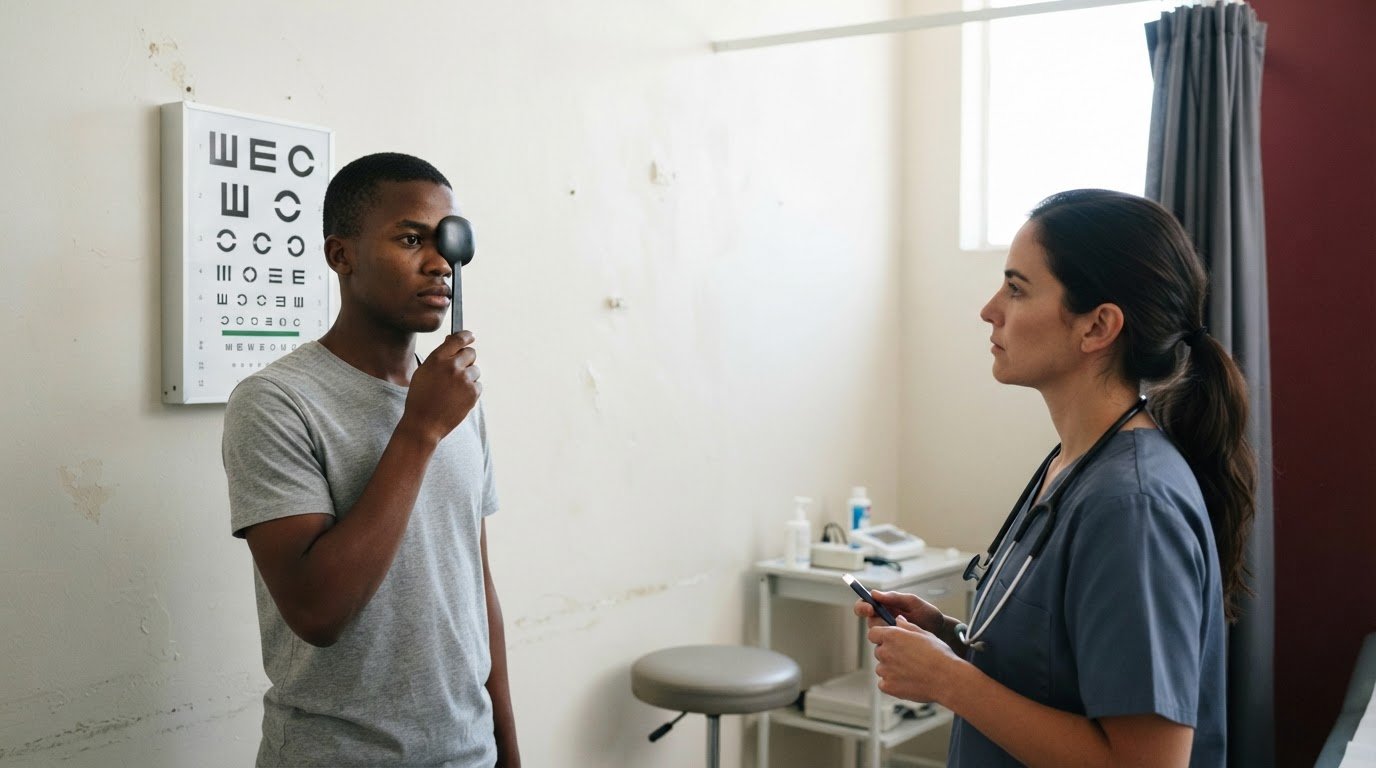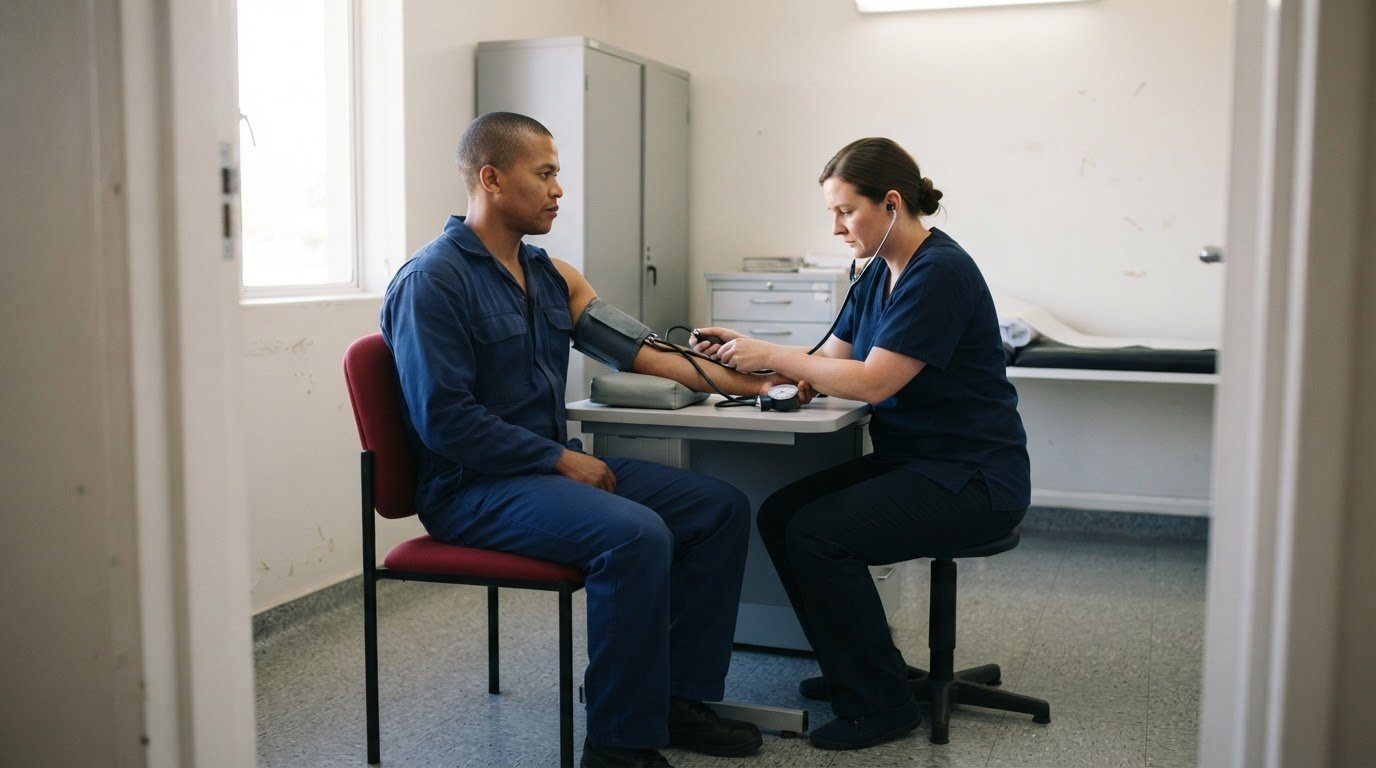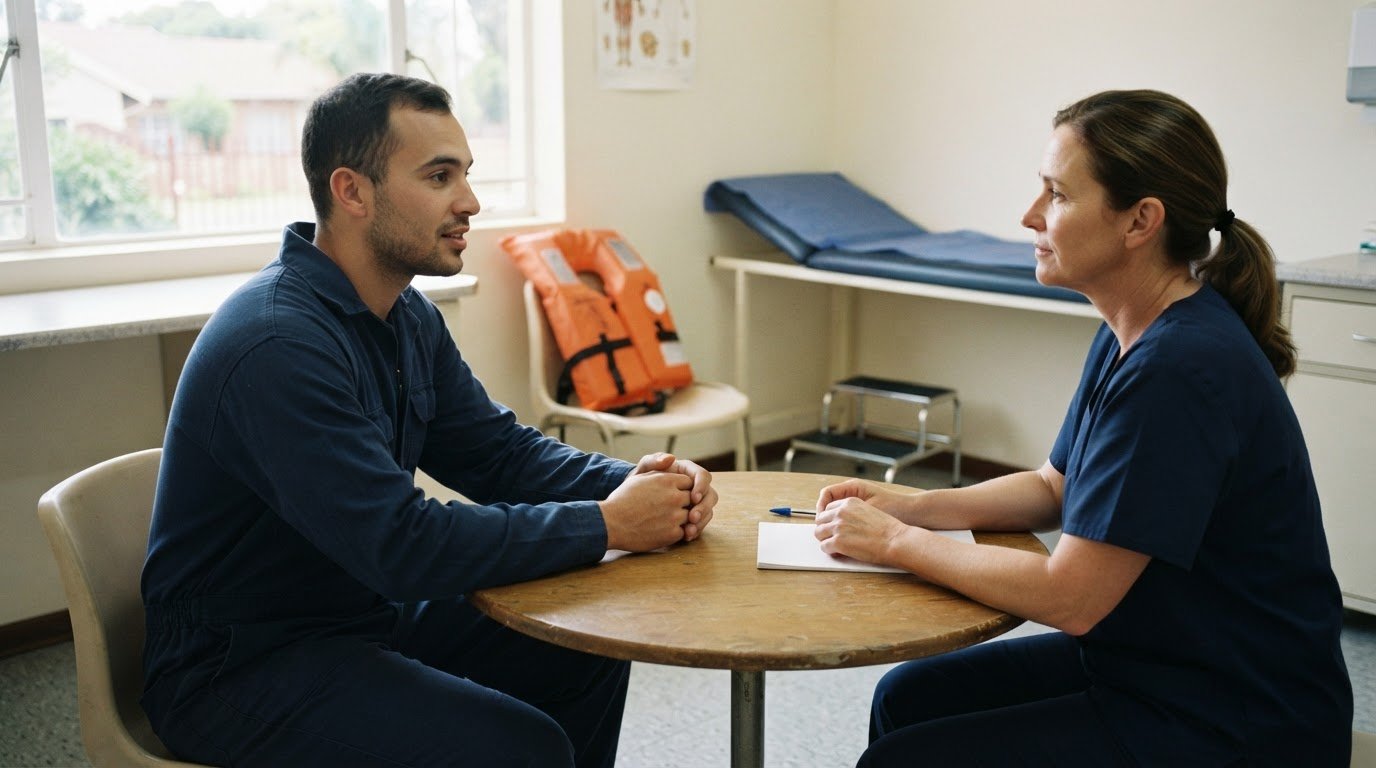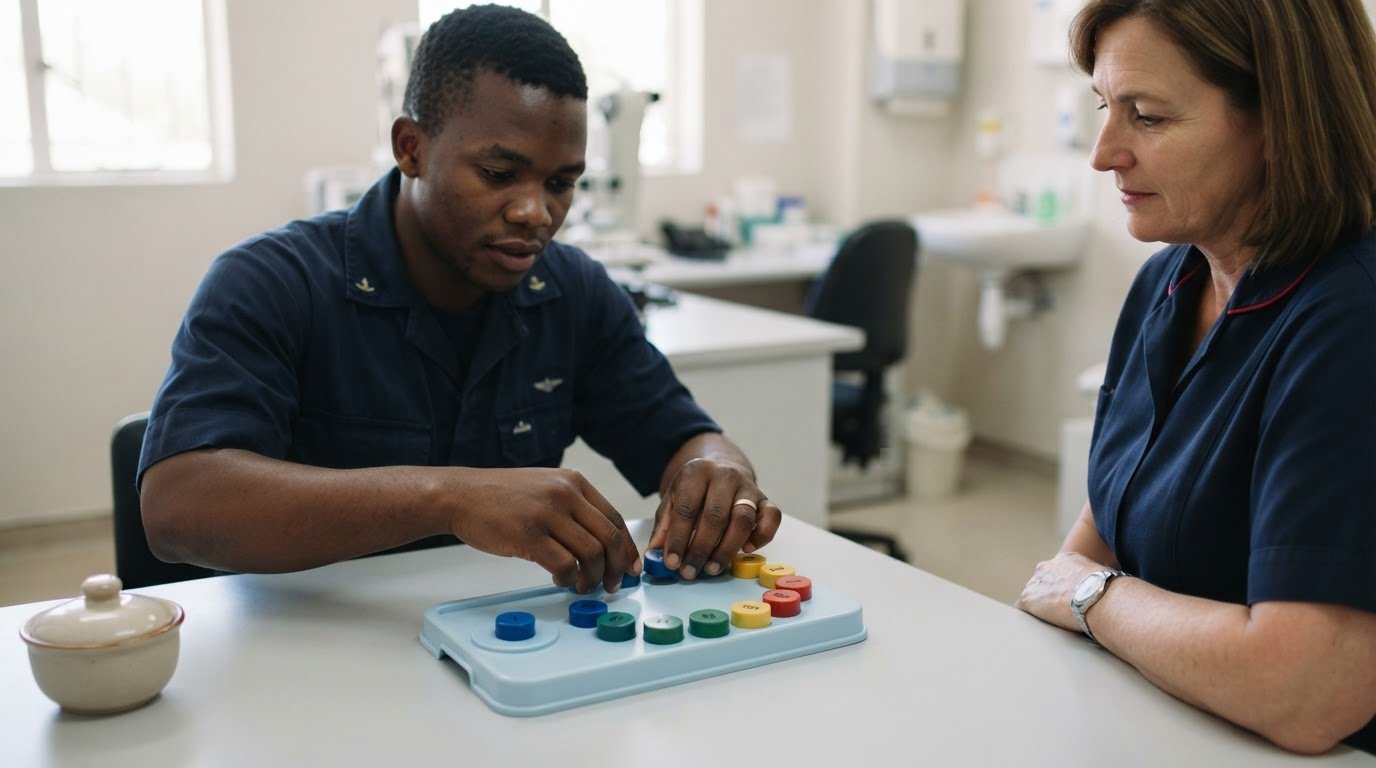
Controlled type 2 diabetes doesn’t automatically answer which seafarer medical certificate applies. In South Africa, the relevant starting point is a Seafarers / SAMSA Medical Examination, where your treatment, diabetes control and any complications form part of the fitness assessment. A seafarer medical clearance with controlled type 2 diabetes depends on the medical picture, not the diagnosis alone.
It’s understandable to want a clear answer before arranging an examination, especially when your work at sea depends on medical clearance. This guide explains which assessment may apply, how factors such as hypoglycaemia or diabetes complications can affect the decision, and what medical information can help the examiner understand your condition.
You’ll also find practical preparation tips, including which records to bring and why current results matter. Having this information ready can help you understand what the examiner will consider and prepare for the appointment.
Key Takeaways
- The appropriate seafarer medical certificate depends on the role and vessel, while diabetes control and related health risks help shape the fitness assessment.
- South African seafarers should focus on the applicable Seafarers / SAMSA medical examination rather than assume a UK ENG1 certificate is the local requirement.
- Bring relevant prescriptions, diabetes results and medical reports so the examiner can assess your health history and current control clearly.
- Hatmed Medical Centre provides Seafarers / SAMSA Medical Examinations to support you through the assessment process.
Seafarers and other crew members: which medical certificate do you need?
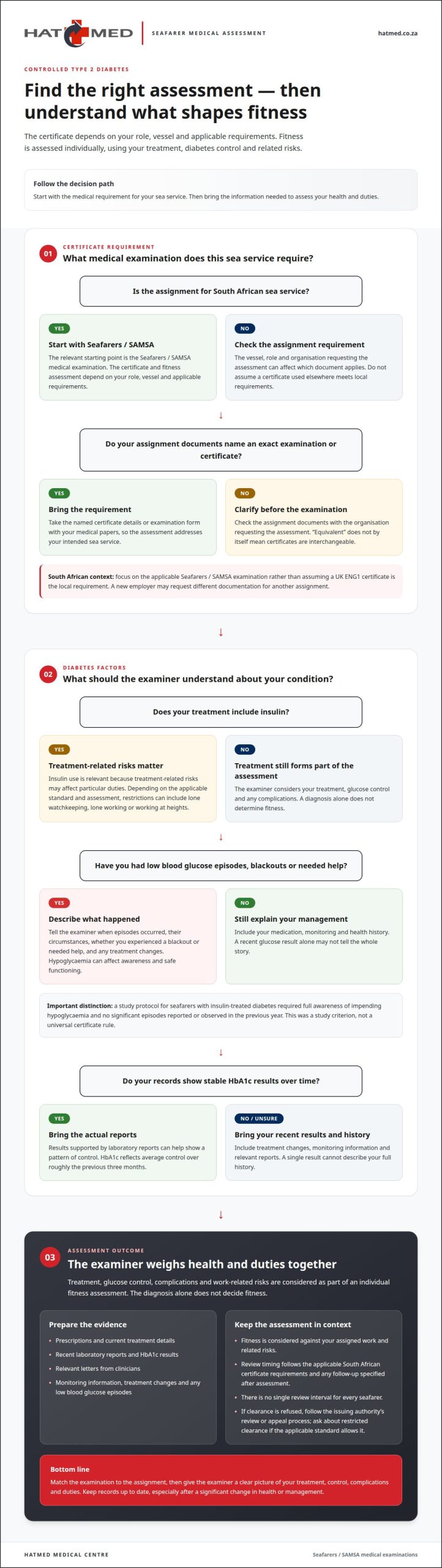
For South African sea service, the relevant starting point is the Seafarers / SAMSA medical examination. The certificate and fitness assessment depend on your role, vessel and applicable requirements.
Conditions affecting fitness for sea service
Fitness-affecting conditions are health problems that could interfere with safe work at sea. For diabetes, the assessment considers treatment, glucose control and complications, including hypoglycaemia or blackouts. Insulin use is also relevant because treatment-related risks may affect particular duties. A diagnosis alone does not determine fitness; the examiner considers how the condition affects your ability to perform your assigned work safely.
Evidence and medical records
Medical evidence is documentation that helps show how a condition is managed and controlled. Provide prescriptions, recent laboratory reports, HbA1c results and relevant letters from clinicians. Stable HbA1c results over time, supported by the actual reports, can help show a pattern of control. Include information about treatment changes, monitoring and any episodes of low blood glucose, so the examiner can interpret results alongside your health history.
Individual assessment and ongoing reviews
An individual assessment weighs your health, treatment and work-related risks together. Review timing follows the requirements for the applicable South African certificate and any follow-up specified after the assessment. There is no single interval that applies to every seafarer. Changes in treatment, glucose control or symptoms can affect monitoring needs. Keep your records up to date, especially after a significant change in your health or management plan.
Duties and vessel restrictions
Duty restrictions are limits on tasks or working conditions used to manage identified risks at sea. Depending on the applicable standard and assessment, restrictions for seafarers using insulin can include lone watchkeeping, lone working or working at heights. If your certificate is refused, follow the review or appeal process provided by the issuing authority. Ask about restricted clearance through that process if the applicable standard allows it.
ENG1-equivalent certificates, including South Africa
An equivalent seafarer medical certificate is a document accepted for a specific maritime role or assignment. In South Africa, the practical starting point is the Seafarers / SAMSA medical examination required for your sea service. The word “equivalent” does not by itself establish that certificates are interchangeable across authorities or employers.
Before your appointment, check your assignment documents to identify the exact medical examination and certificate required. The vessel, role and organisation requesting the assessment can affect which document applies. Bring the requirement with your medical papers, particularly if you have been given a certificate name or examination form. This helps ensure the assessment addresses the documentation for your intended sea service.
For South African seafarers, focus on the applicable Seafarers / SAMSA examination rather than assuming a certificate used elsewhere will meet local requirements. A new employer may request different documentation for another assignment. Compare the wording in your joining instructions with the medical paperwork you have, and resolve any mismatch before the examination.
Controlled type 2 diabetes does not determine which certificate an assignment requires. It is relevant to the medical assessment, while the certificate requirement comes from the role and applicable maritime process. Bring prescriptions, recent diabetes reports and the assignment’s medical instructions together. This gives the examiner context for the assessment and helps keep the certificate requirement distinct from the clinical decision.
A South African Seafarers / SAMSA medical examination provides the relevant setting for assessing your fitness documentation. Arrive with the assignment requirement and medical records ready, so the examination can address the correct purpose and your health information can be considered clearly.
Hypoglycaemia and diabetes complications
Hypoglycaemia is a drop in blood glucose that can affect awareness and safe functioning. For seafarers, a blackout or hypoglycaemic episode matters because sudden incapacity can create risks during duties at sea. The UK MCA’s Approved Doctor’s Manual emphasises diabetes type and treatment, particularly the risks of cognitive impairment or incapacitation.
Awareness of warning signs is important to a fitness assessment. A study protocol for seafarers with insulin-treated diabetes required full awareness of impending hypoglycaemia and no significant episodes reported or observed in the previous year. This is a study criterion, not a universal certificate rule. Tell the examiner about episodes, blackouts, their circumstances and any treatment changes. A recent glucose result alone may not tell the whole story.
Diabetes complications are health effects associated with the condition that may influence fitness for a particular job. The examiner considers the overall risk, including how treatment affects your work and whether complications could interfere with safe duties. Stable HbA1c results over time, supported by reports, help show glucose control; HbA1c reflects average control over roughly the previous three months. A single result cannot describe your full history.
Prepare a clear account of your diabetes management, including medication, monitoring and any low blood glucose episodes. Bring laboratory reports, prescriptions and relevant letters from clinicians. If you have experienced a blackout or needed help during an episode, include when it happened and what followed. These details help the examiner assess whether it was an isolated event, whether your control has changed and whether work restrictions may be appropriate.
Controlled type 2 diabetes does not remove the need to discuss complications or hypoglycaemia. Accurate records give the examiner context for interpreting results and assessing risks linked to the duties involved. If your treatment or symptoms have changed since your latest reports, explain that at the examination so the assessment reflects your current situation.
What a medical examiner assesses during a seafarer medical examination
A seafarer medical examination reviews health information and clinical findings against the demands of work at sea. For seafarer medical clearance with controlled type 2 diabetes, the examiner needs a clear picture of your treatment, glucose control and relevant symptoms. HbA1c reflects average glucose control over roughly the previous three months, so provide recent results alongside earlier reports where available.
Bring records that show how your condition is managed, rather than relying on memory during the appointment. Useful documents include:
- Current prescriptions and a list of diabetes medicines, including recent changes.
- Recent laboratory reports, including HbA1c results and glucose tests.
- A clinician or specialist letter describing diabetes control, treatment and monitoring.
- Any previous seafarer medical certificate and records of complications or hypoglycaemic episodes.
- Home blood pressure readings, if available.
Preparation can begin well before the appointment. If HbA1c improvement may be needed, allow about three months for preparation and clinical follow-up. If you are preparing for the examination, record blood pressure on three separate days six weeks beforehand. Bring those readings, as they provide context alongside the examination measurement.
Examination forms may include checks beyond your diabetes history. One form requires two separate urine samples to be tested for glucose and calls for a glucose tolerance test when glycosuria is present. It also lists HbA1c among additional tests for seafarers above 35 years of age. These are form-specific requirements, so the examination documents and requested tests matter.
Be ready to explain any blackout, low blood glucose episode or treatment change, including when it happened and what care followed. For seafarer medical clearance with controlled type 2 diabetes, dated records can help connect your results with your work history and current health. If your latest reports show a change, explain the circumstances and any follow-up care. To arrange an examination, prepare your records and book a seafarer medical examination.
Hatmed Medical Centre: Seafarers / SAMSA Medical Examinations
Hatmed Medical Centre provides Seafarers / SAMSA Medical Examinations for crew members who need a medical assessment for sea service. If you have controlled type 2 diabetes, bring your prescriptions and relevant medical records so the examiner can consider your current health information as part of the examination.
Clear records of diabetes management, test results and complications can help explain your medical history. For ongoing support, Hatmed Medical Centre provides Chronic Disease Management and General Practitioner Consultations.
Contact Hatmed Medical Centre to arrange a Seafarers / SAMSA Medical Examination.
Plan your next step with confidence
Use the upcoming examination to plan for continuity of diabetes care during a sea contract. Discuss with the clinician managing your care how your treatment and monitoring routine fit your working conditions. This can help you identify questions to resolve before departure and keep your medical information organised for future assessments.
For seafarer medical clearance with controlled type 2 diabetes, Hatmed Medical Centre offers Seafarers / SAMSA Medical Examinations and General Practitioner Consultations. The centre also provides Immigration Medical Examinations for people who need that separate assessment.
Take the next step by arranging the relevant medical examination and bringing the information that supports your care. Contact Hatmed Medical Centre to discuss your appointment. A calm, prepared approach can help you move forward with greater clarity.
Frequently Asked Questions
What are South Africa’s medical fitness requirements for seafarers with type 2 diabetes?
The fitness assessment considers diabetes control, treatment, relevant complications and the demands of your sea duties. The examiner needs to understand whether symptoms or treatment could affect safe work, including episodes that impaired your awareness or ability to function. A diagnosis alone does not determine fitness. Bring dated medical information and explain changes in your condition so the assessment reflects your health history.
Which maritime medical standards apply to seafarers with controlled diabetes in South Africa?
The relevant standard is the one applicable to the South African Seafarers / SAMSA medical examination required for your assignment. An ENG1 is a UK certificate, so its name or criteria should not be assumed to establish South African requirements. Use your assignment documentation to identify the certificate required, and bring it to the examination so the medical assessment relates to your intended work.
Can a seafarer using insulin pass a South African seafarer medical examination?
Insulin use alone does not provide a yes-or-no answer about South African medical clearance. The assessment considers treatment, glucose stability, hypoglycaemia history, awareness of warning signs and the duties involved. Be open about episodes or treatment changes, and provide your prescribing information. This helps the examiner assess occupational risks in context rather than treating insulin use as the only relevant factor.
What blood glucose and HbA1c levels are acceptable for seafarer medical clearance?
Blood glucose and HbA1c results are interpreted alongside your treatment, symptoms and medical history; a single result should not be used as a universal pass-or-fail rule. Bring dated laboratory reports, including earlier results where available. If readings changed after a treatment adjustment or illness, explain the timing. The examiner can then consider the pattern of results against the certificate standard relevant to your examination.
What medical documents and diabetes records should seafarers provide for the examination?
Bring dated records that make your diabetes history easy to follow. Keep test reports together with notes about treatment changes, symptoms or episodes, so the examiner can understand the context of each result. Include any written account of your condition from a clinician with your other medical papers. An organised folder can help you answer questions accurately.
Which South African doctors or approved medical examiners can issue seafarer medical certificates?
Choose a practitioner who conducts the relevant Seafarers / SAMSA medical examination. Hatmed Medical Centre offers these examinations with a SAMSA-accredited practitioner. The certificate needed depends on your maritime assignment, so bring its medical requirement to the appointment. This helps align the examination with the document requested for your role, rather than relying on a general health consultation to meet a seafarer certification requirement.