
What if your immigration medical exam was actually the most straightforward part of your entire visa application? It is completely natural to feel a bit of a flutter in your stomach when thinking about clinical requirements. You might be worried that a minor health quirk could stall your dreams, or perhaps you are simply feeling overwhelmed by the shifting list of tests and vaccinations required for 2026. We understand that this isn’t just a routine check-up; it is a vital step toward your new life.
We’ll help you master every requirement and preparation step to ensure your assessment is a smooth, positive milestone. This guide provides a clear understanding of the clinical process, a practical checklist of documents to bring, and the confidence to choose a qualified medical centre. We’ve organised the latest 2026 updates into a simple path forward, so you can focus on the excitement of your journey instead of the paperwork.
Key Takeaways
- Understand why this mandatory health assessment is essential for residency and how it helps protect the community’s well-being.
- Learn exactly what to expect during your immigration medical exam to remove the mystery from clinical checks and physical assessments.
- Discover the importance of choosing a centre with specific expertise in regulatory paperwork to ensure your application remains on track.
- Follow a clear, chronological guide for preparing your documents and managing your health proactively before the big day.
- Gain peace of mind by finding a partner who can manage your routine vaccinations and chronic care needs in one convenient location.
Understanding the Immigration Medical Exam: Why It Is Essential for Your Visa
An immigration medical exam is a standardised clinical assessment used by governments to ensure applicants meet specific health criteria for entry. If you’re planning to move abroad for work, study, or permanent residency, this assessment is usually a mandatory part of your application journey. It isn’t just another box to tick; it’s a vital tool that helps nations maintain a balance between welcoming new residents and safeguarding their existing citizens. Because every country has unique priorities, the specific requirements can vary significantly depending on where you’re heading and the type of visa you’ve requested.
The process serves a dual purpose that benefits the community you’re joining. First, it acts as a shield for public health by identifying infectious risks. Second, it helps governments manage their social services by assessing whether an applicant might require an unusual level of medical support. Understanding these goals can help lower your anxiety. It shows the exam is a logical, protective measure rather than an arbitrary hurdle designed to keep people out.
Protecting Public Health and Safety
The most immediate concern for any immigration department is the prevention of disease outbreaks. During your appointment, clinicians specifically screen for communicable diseases such as tuberculosis or certain types of hepatitis. These conditions are high priorities because they can spread easily in public settings. In some cases, an applicant might be found inadmissible on public health grounds if they carry an active, untreated infection that poses a significant threat to the local population.
Your vaccination history is equally important. We’ll review your records to ensure they align with international health standards. If you’re missing certain shots, we can often help you get up to date right here at the centre. Once the checks are complete, the medical centre takes on the responsibility of reporting the findings accurately to the immigration authorities. This ensures your data is handled with professional care and reaches the right hands without delay.
Assessing Potential Impact on Healthcare Resources
Beyond immediate safety, authorities evaluate the long-term impact of an applicant’s health on local resources. Many countries include an “excessive demand” clause in their immigration policies. This means they look at chronic conditions to see if the cost of treatment or the length of care might place an undue burden on the taxpayer-funded healthcare system.
Transparency is your greatest ally during this stage. Trying to hide a condition often causes more issues than the condition itself. When you’re open about your health, it allows the clinical team to document how well you manage your condition. Proactive health management shows that you’re a responsible applicant who is unlikely to become an emergency burden on the system. We see ourselves as your partner in this, helping you navigate these requirements with clarity and honesty.
What to Expect During the Assessment: A Detailed Clinical Breakdown
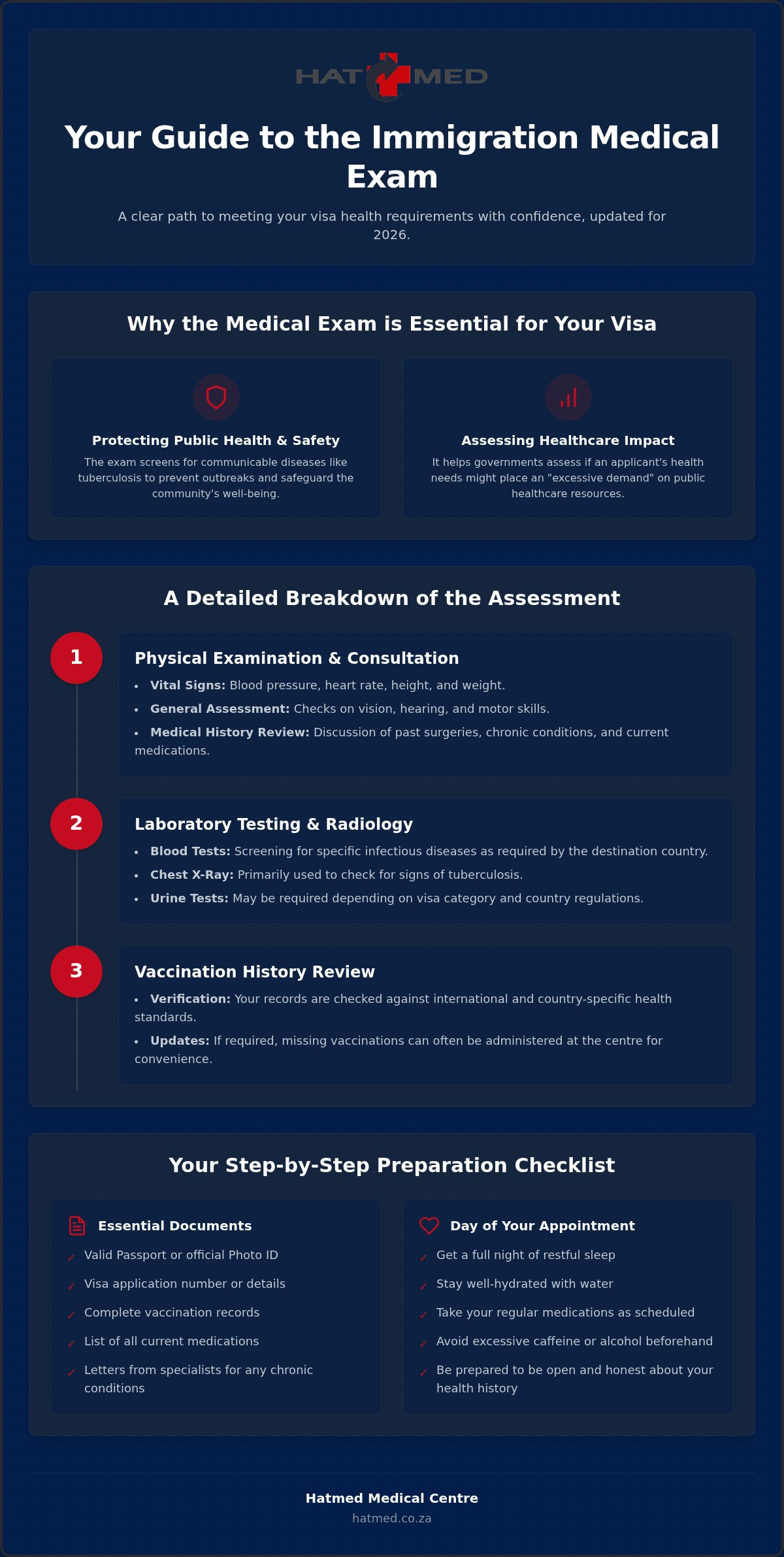
Walking into an immigration medical exam shouldn’t feel like an interrogation. Our goal is to make the process as comfortable and transparent as possible. During the assessment, the doctor acts as an objective evaluator for the host government, ensuring you meet the health standards required for your visa. It’s a standard clinical assessment, largely non-invasive, designed to provide a snapshot of your current well-being. Disclosing your full medical history is crucial here. Being upfront about past conditions prevents unexpected delays later in the application process. If you are applying for a US visa, for instance, you can Find a USCIS-Designated Civil Surgeon to facilitate the process, though requirements vary significantly by country.
The Physical Examination and Consultation
The first part of your assessment involves gathering your baseline health data. We’ll check your vital signs, including blood pressure, heart rate, and height and weight measurements. The physician will conduct a general physical assessment to observe your vision, hearing, and basic motor skills. This is also when we review your medical history in detail. We’ll discuss past surgeries, hospitalisations, and any chronic medications you’re currently taking. If you have an ongoing condition, don’t worry. We specialise in chronic disease management and can help document how your condition is stable and well-controlled.
Laboratory Testing and Radiology
Diagnostic tests provide the objective data governments require. Depending on the destination country, you’ll likely need blood tests to screen for specific infections. A urinalysis is also standard to check for underlying health issues that might not be visible during a physical check. Chest X-rays play a vital role in screening for respiratory health, specifically looking for signs of tuberculosis. These steps are routine and handled with the utmost professional care to ensure your results are accurate and submitted promptly.
Vaccination and Immunisation Review
A significant portion of the appointment involves comparing your existing records against the destination country’s specific requirements. If you’re missing certain boosters or need new vaccines, we can often administer them during your visit. This “one-stop” approach saves you time and ensures your paperwork is complete. For more details on the general process, you can read our guide on What to Expect During Your Routine Medical Checkup. We want you to feel prepared and confident before you walk through our doors. If you have questions about your specific requirements, our team is here to help you organise your appointment with ease.
Choosing the Right Medical Provider: Key Factors for Visa Success
Selecting the right clinic for your immigration medical exam is one of the most critical decisions in your visa journey. Whilst your local family doctor might be your first port of call, many countries require you to visit specific “Panel Physicians” or doctors who hold formal accreditation with their respective embassies. Choosing a provider who understands these specific regulatory nuances ensures your results are accepted without question. It’s about finding a balance between clinical expertise and administrative precision. A centre that offers comprehensive primary healthcare alongside these assessments is often better equipped to handle any health concerns that might arise during the process. For a detailed overview of how to select the right practitioner, our guide on choosing an immigration doctor for visa medicals in 2026 covers the key factors you should consider.
Accreditation and Regulatory Knowledge
A specialised medical centre does more than just check your health; it manages the complex paperwork that accompanies your application. It’s vital that your doctor is recognised by the relevant department or embassy. Using outdated versions of medical forms is a common reason for application delays. Experienced centres stay updated on the most recent regulatory changes, significantly reducing the risk of administrative errors that could stall your relocation plans. This expertise protects your investment in the visa process and gives you the peace of mind that your application is in professional hands. We pride ourselves on maintaining this high standard of regulatory accuracy for every patient we serve.
Efficiency and Patient Support
The convenience of an integrated service cannot be overstated. When you’re already juggling the stress of moving countries, the last thing you need is to visit three different locations for blood tests, X-rays, and your physical assessment. Look for a centre that handles laboratory work and radiology in-house or through a streamlined, local partnership. This leads to faster turnaround times for your final certification, which is essential when you’re working against strict visa deadlines.
Beyond efficiency, a supportive and calm environment is essential. Many applicants feel anxious about their assessment, so finding a team that treats you like a person rather than just a file makes a world of difference. We focus on being a reliable expert neighbour who helps you feel at ease throughout the clinical process. If you are looking for a long-term health partner beyond your visa requirements, you might find our Comprehensive Guide to Finding a General Practitioner Near Me helpful. We believe in providing holistic care that supports you through every stage of your life, including the big transitions.
Your Step-by-Step Preparation Guide: From Documents to Physical Checks
Preparation is the best antidote to anxiety. By the time you reach the morning of your immigration medical exam, you should feel like everything is already in place. This isn’t just about showing up; it’s about arriving with the right mindset and the right materials to ensure your application moves forward without a hitch. Proactive health management starts weeks before your appointment. If you’ve been feeling under the weather or have an untreated minor ailment, addressing it early prevents it from becoming a point of discussion during your assessment. This is particularly important for 2026 applications, as requirements for accuracy and completeness have never been higher. If you are based in Gauteng and need a trusted immigration medical in Pretoria that meets the latest 2026 standards, understanding what to prepare in advance is essential.
Essential Documentation Checklist
The most common cause of clinical delays isn’t health issues; it’s missing paperwork. You must bring original documents, as immigration authorities rarely accept photocopies or digital scans at this stage. Your identity must be verified beyond doubt before the clinician can begin the assessment. Having a dedicated folder for these items will save you time and stress on the day. Ensure you have the following ready:
- A valid passport or national identity document to confirm your identity.
- Official visa application forms or referral letters provided by the immigration department.
- Comprehensive immunisation records, including childhood booklets and recent booster certificates.
- Previous medical reports or specialist letters if you have a history of significant illness.
Managing Your Health History
Your doctor needs a clear, honest picture of your medical journey to complete the filing accurately. Organise a list of your current chronic medications, including the exact dosages and how often you take them. If you’ve had major surgeries or hospitalisations, a brief summary from your treating physician can be incredibly helpful. When discussing stable chronic conditions, focus on how you manage them. A well-controlled condition, supported by clear documentation, is far less likely to cause concerns than an unmanaged one. This transparency builds trust and helps the examiner advocate for your health status. For a thorough breakdown of the latest protocols, our South African visa medical requirements FAQ guide for 2026 addresses the most common questions applicants face when navigating the updated regulatory landscape.
Before you head out, check if your specific tests require fasting. Some blood panels for cholesterol or glucose are most accurate when you haven’t eaten for 8 to 12 hours. If you’re unsure about what you need to bring or how to prepare for your specific visa type, we’re here to help you book your immigration medical with confidence. Taking these small, practical steps now ensures a smooth, predictable experience when you walk through our doors.
Securing Your Certificate: How Hatmed Medical Centre Supports Your Journey
At Hatmed Medical Centre, we don’t just see ourselves as a clinic. We are your partners in this life-changing transition. An immigration medical exam can feel like a high-stakes hurdle, but it’s really just a professional conversation about your health. We aim to make that conversation as clear and stress-free as possible. Our team combines clinical expertise with a genuine investment in your success. This ensures every check is accurate and every form is filled with precision. We understand that behind every application is a person with big dreams, and we’re here to help you reach them.
Comprehensive Assessment Services
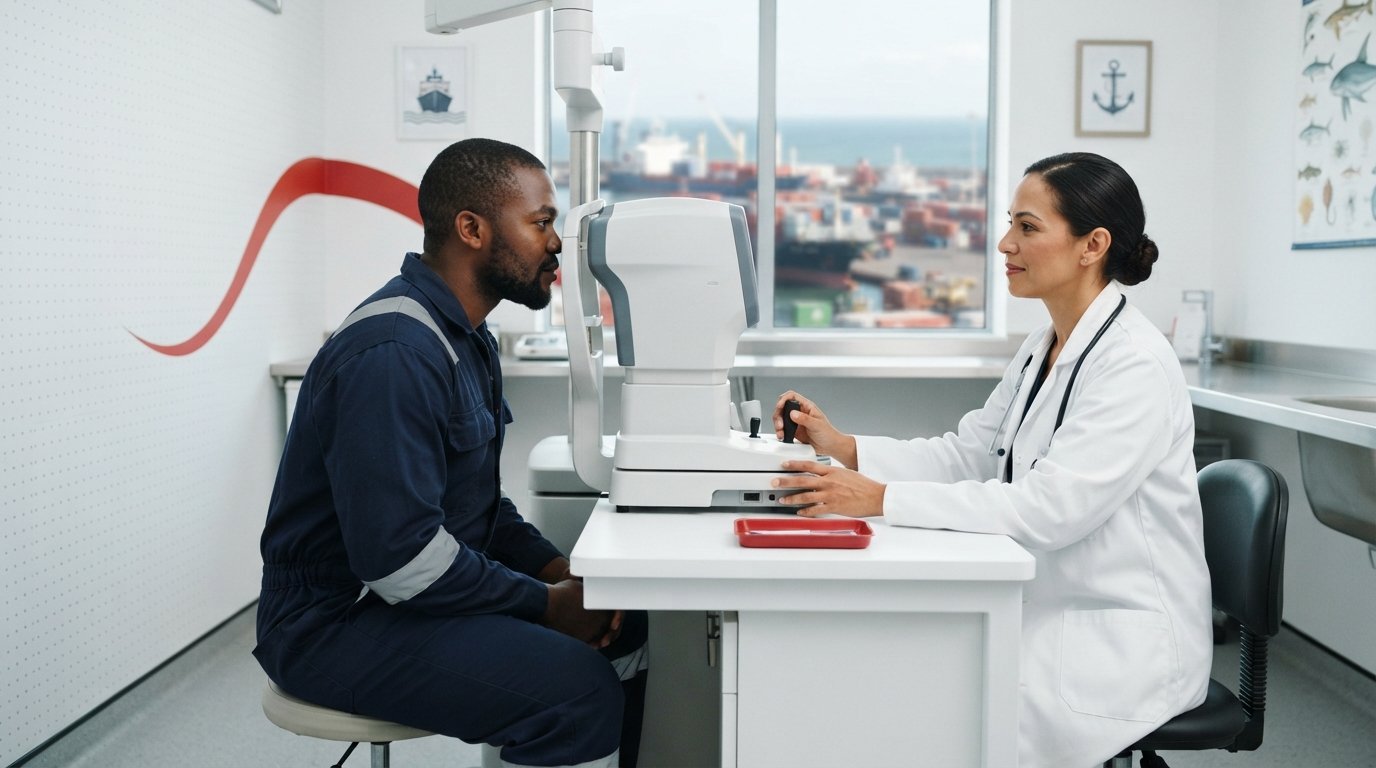
Our facility is designed to be a methodical yet welcoming environment. We offer a full range of specialised screenings to meet various international standards. This includes Seafarers / SAMSA medical examinations alongside our general immigration assessments. Whether you’re heading to a new country or preparing for a career at sea, we understand the specific regulatory demands of each certificate. We meticulously handle every detail of the paperwork. This reduces the risk of rejection due to minor administrative oversights. It’s about giving you the best possible start in your new location.
A Patient-Centred Experience
One of our core strengths is our integrated approach to health. If you have ongoing health needs, we don’t simply note them down on a form. We integrate chronic disease management into our care model. This means we can document your health status with the authority that immigration departments require whilst providing the supportive care you deserve. We’ll help you demonstrate that your condition is stable and well-managed. This level of detail provides the transparency that adjudicators look for, often smoothing the path for applicants with pre-existing conditions.
Once your assessment is complete, we’ll guide you through the final steps of the process. Depending on the specific visa requirements, we’ll either provide you with a sealed medical certificate or submit your results directly through the relevant electronic portal. We’re here to be a steady and dependable ally for your travel goals. We believe that professional medical care should always come with a sense of local belonging and individualized attention. If you’re ready to take the next step in your application, we invite you to reach out and book your appointment with a team that truly cares about your journey.
Your Next Steps Toward a Successful Visa Application
Completing your immigration medical exam is a significant milestone that brings you one step closer to your relocation goals. By organising your documents early and being transparent about your health history, you can transform what feels like a complex hurdle into a straightforward, positive experience. Remember that this assessment is designed to protect both you and your new community, ensuring a healthy start for everyone involved.
At Hatmed Medical Centre, we take pride in being more than just a clinical provider; we’re your dedicated health partners. Whether you require specialised expertise in SAMSA medicals or need comprehensive chronic disease management alongside your visa checks, our team offers patient-centric care in a professional clinical environment. We’re here to handle the regulatory details so you can focus on the excitement of your upcoming journey.
Book your professional immigration medical exam with Hatmed Medical Centre today and let our experienced team support you with the care and precision your application deserves. We look forward to helping you move forward with total confidence as you begin this exciting new chapter.
Frequently Asked Questions
How long does an immigration medical exam usually take?
Typically, an immigration medical exam takes between one and two hours to complete. This timeframe includes your physical assessment, blood tests, and any required radiology. If your chosen centre offers integrated services, you can often finish every component in a single visit. We recommend arriving 15 minutes early to finalise your paperwork, which helps our clinical team maintain a steady and unhurried pace for your consultation.
Do I need to fast before my immigration medical appointment?
Fasting is not always required for every applicant, but it is often necessary if your visa category includes specific blood glucose or cholesterol screenings. We usually advise patients to fast for at least eight hours before their appointment to ensure the most accurate results. You should continue to drink plenty of water to stay hydrated, which also makes the blood collection process much smoother and more comfortable for you.
What happens if the doctor identifies a health concern during the exam?
If a health concern is identified, our clinicians will discuss the findings with you in a supportive and transparent manner. Identifying a condition doesn’t automatically mean your visa will be rejected. In many cases, we can help you manage the issue through our chronic disease management services. We focus on documenting that your condition is stable and well-controlled, providing the clarity that immigration authorities require.
Are vaccinations mandatory for all visa medical certificates?
Vaccinations are a mandatory requirement for the majority of residency and long-term visa medical certificates. Each destination country has its own specific immunisation schedule that you must follow to be considered eligible. If you’re missing any required shots, we can provide routine vaccinations on-site during your visit. This integrated approach ensures your medical file is complete and meets all international health standards before your paperwork is submitted.
How long is my immigration medical certificate valid for in 2026?
In 2026, the validity period of an immigration medical certificate typically ranges from six to twelve months, depending on the specific regulations of your destination country. Some authorities have moved toward indefinite validity for forms filed alongside pending applications, whilst others remain strict about expiry dates. It’s vital to check the current Department of Home Affairs guidelines to ensure your results remain valid throughout your entire application processing period.
Can I use my own family doctor for an official immigration medical?
You generally cannot use your own family doctor unless they are specifically designated as a Panel Physician or accredited by the relevant embassy. Most governments require that an immigration medical exam be conducted by a certified practitioner who has undergone specific training in regulatory reporting. Using an unaccredited doctor can lead to your application being rejected. We recommend choosing a specialised centre familiar with the latest South African visa medical requirements and 2026 regulatory updates.
What documents are essential to bring to my visa medical assessment?
You must bring several original documents to ensure your assessment is valid. These include your current passport for identification, any official referral letters from the immigration department, and your comprehensive immunisation records. If you have a history of chronic illness, bringing previous medical reports or specialist letters is also essential. Having these items organised in a dedicated folder helps us handle your regulatory paperwork meticulously and prevents unnecessary delays.
Will a chronic condition like diabetes affect my visa medical result?
Living with a chronic condition like diabetes does not necessarily disqualify you from obtaining a visa. Authorities are primarily concerned with whether your condition is stable and if it will place an excessive burden on their healthcare system. By using our chronic disease management expertise, we can provide a detailed report showing that your health is well-managed. Transparency and professional documentation are the most effective ways to build confidence in your application.