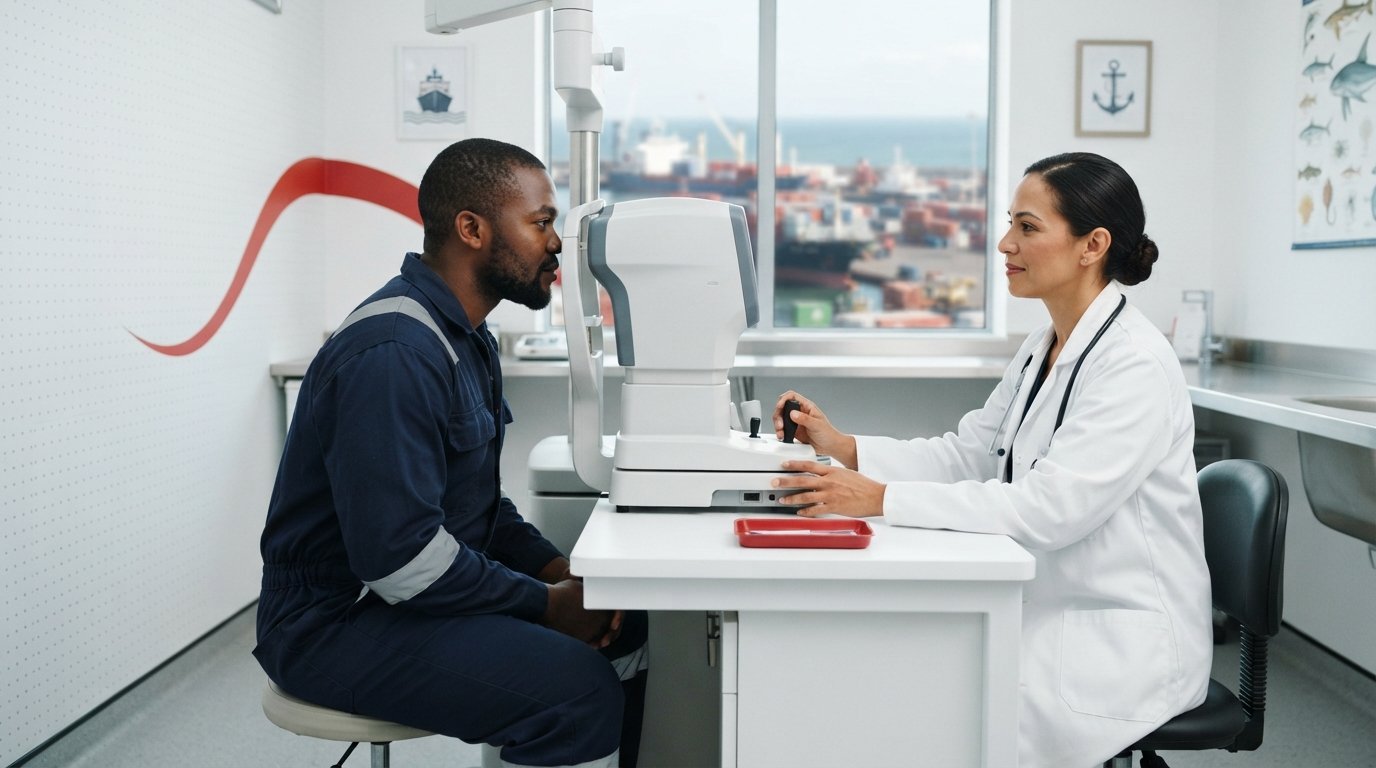

What if the most daunting part of your immigration journey was suddenly removed from your checklist? For years, securing a visa medical certificate South Africa was a source of significant anxiety, involving complex forms, chest x-rays, and tight submission deadlines. However, a major policy shift in July 2026 has fundamentally changed the landscape for applicants. We understand that whilst these changes aim to simplify your life, they often bring a new kind of confusion. You might be wondering if you still need to see a doctor or if your pending application is now exempt from previous requirements.
It’s completely natural to feel a bit overwhelmed when the rules change so quickly, especially when your future in a new country is on the line. We’re here to provide the clarity and reassurance you need during this transition. In this guide, we’ll explain the latest Ministerial Immigration Directives that have waived the need for medical and radiological reports. You’ll learn exactly which requirements have been abolished, how this affects your specific visa category, and what you need to do to ensure your application remains on track for a successful, stress-free outcome.
Key Takeaways
- Understand the latest Ministerial Immigration Directives that have simplified the application process by waiving previous health report requirements.
- Gain clarity on the current status of the visa medical certificate South Africa to ensure you don’t waste time or resources on obsolete documentation.
- Learn about the transition away from BI-811 and BI-806 forms and what this major policy shift means for your pending or future visa application.
- Discover how to navigate the current regulatory landscape with confidence whilst ensuring your submission meets the latest Department of Home Affairs standards.
- Find out how partnering with a professional medical centre can provide the reassurance and expert guidance needed during complex immigration changes.
Understanding the South African Visa Medical Certificate
A visa medical certificate South Africa has historically served as a vital health clearance for individuals planning to stay in the country for more than 90 days. This document acted as a formal declaration by a registered doctor, confirming that an applicant didn’t possess any conditions that could pose a risk to public health or place an unmanageable burden on the nation’s healthcare system. The Department of Home Affairs (DHA) oversees these health standards, ensuring that everyone entering the country contributes to a safe and sustainable environment. You might find the process intimidating, but understanding the “why” behind these regulations often helps ease the stress of the application.
Until recently, this certificate was a non-negotiable part of the paperwork for various permits. It’s essential to understand South Africa’s visa policy as a whole to see how these health checks fit into the broader security and economic goals of the government. Whilst the landscape changed significantly in July 2026, the core principles of health screening remain a cornerstone of international travel safety. Even with new directives in place, the role of professional medical assessments continues to be a point of interest for those navigating residency requirements.
The Legal Basis for Medical Clearances
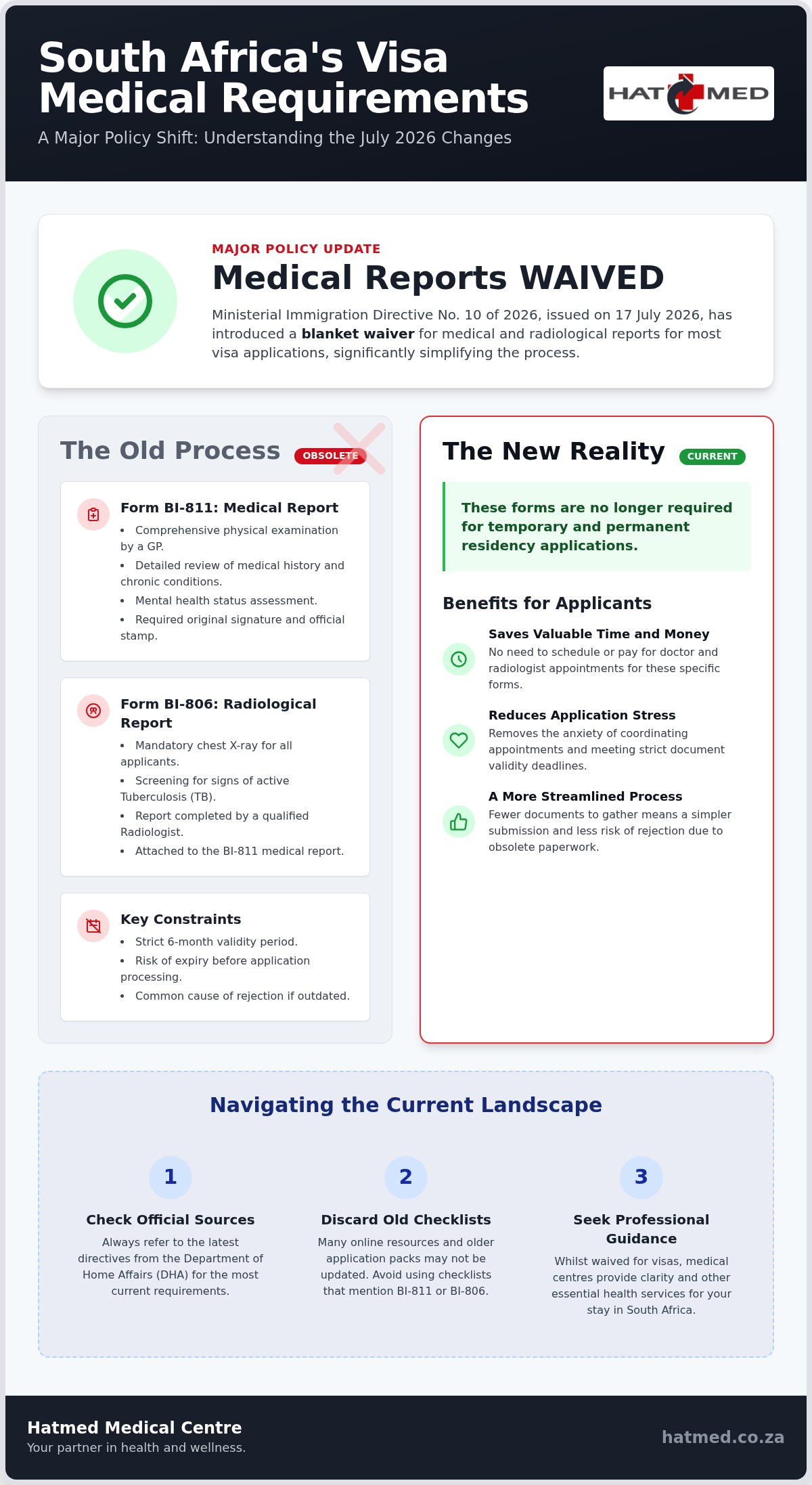
The primary goal of any medical clearance is to protect the collective well-being of the local community. By requiring health assessments, the government ensures that new residents don’t unintentionally introduce infectious diseases. There’s also a financial aspect; the state aims to ensure that applicants won’t require immediate, intensive medical care that could strain public resources. These rules traditionally applied differently to temporary and permanent residency. Permanent applicants often faced more rigorous scrutiny because their long-term presence has a more significant impact on the healthcare infrastructure. However, Ministerial Immigration Directive No. 10 of 2026 has recently introduced a blanket waiver for these reports, fundamentally shifting how you approach your application.
Validity and Timing Considerations
If you’re looking at older checklists, you’ll see a strict six-month validity rule for medical reports. This meant that if your appointment was too early, your certificate might expire before the DHA processed your file. Applicants often had to align their medical exams with their police clearance certificates, which have their own expiry dates. Submitting photocopies or outdated documents was a common reason for application rejection. We always advise checking the very latest directives from the DHA, as the 2026 waiver has made the BI-811 and BI-806 forms obsolete for most applicants. Staying informed helps you avoid unnecessary costs and ensures your submission remains compliant with the most current standards.
Essential Components: BI-811 and BI-806 Forms
Understanding the paperwork is often the most stressful part of any move. For decades, the BI-811 and BI-806 forms were the standard documents required to secure a visa medical certificate South Africa. However, it’s vital to recognise that Ministerial Immigration Directive No. 10 of 2026, issued on 17 July 2026, has introduced a blanket waiver for these requirements. Whilst many official checklists might still list them during this transition, these forms are currently obsolete for both temporary and permanent residency applications. We’ve detailed their historical requirements below to help you understand what was typically assessed and why these changes are so significant for your journey.
The BI-811 Medical Report Explained
The BI-811 was a comprehensive medical report that required a General Practitioner to conduct a full physical examination. This document was the primary way to verify a visa medical certificate South Africa through a physical assessment. It didn’t just look at your current health; it required a detailed review of your medical history, including any chronic conditions or previous surgeries. Practitioners had to specifically declare the absence of infectious diseases and provide a professional assessment of your mental health status. For the document to be valid, it needed an original ink signature and a clear, legible office stamp from the medical centre. If you’re managing a chronic condition, honesty during the disclosure process was always the best policy. Our team at Hatmed remains a steady ally for those needing general health assessments or chronic disease management during their stay.
The BI-806 Radiological Report and TB Screening
The BI-806 form focused specifically on screening for Tuberculosis (TB) through a chest X-ray. This was considered the gold standard for South African immigration because TB remains a public health priority. According to official visa requirements, certain groups were exempt from this specific test. Children under 12 and pregnant applicants were typically not required to undergo a chest X-ray to avoid unnecessary radiation exposure. For pregnant women, doctors would usually provide a letter confirming the pregnancy in lieu of the radiological report. If an abnormality was detected in a standard screening, it didn’t mean an automatic rejection; rather, it triggered a more detailed clinical review to ensure the applicant wasn’t currently infectious. These streamlined changes in 2026 mean you no longer need to worry about scheduling these specific radiological appointments for your visa.
Choosing the Right Medical Clinic for Your Visa Exam
Selecting the right medical partner for your immigration journey is about more than just finding a doctor; it’s about finding a guide. Whilst the 2026 directives have simplified many aspects of the process, a professional health assessment remains a cornerstone for many seeking a visa medical certificate South Africa. A clinic that understands the nuances of the Department of Home Affairs Medical Certificate requirements ensures your documentation is handled with professional clinical authority.
Experience matters when your future plans are at stake. You should look for a General Practitioner who isn’t just medically qualified, but also familiar with the specific expectations of immigration officials. When you’re working against tight submission deadlines, you don’t want delays caused by administrative errors. A “one-stop” service, where physical assessments and chronic disease management are handled under one roof, offers much-needed peace of mind during a period of transition. For a deeper understanding of how to select the right practitioner for your needs, our guide on choosing an immigration doctor for visa medicals in 2026 provides comprehensive advice tailored to the current regulatory environment.
What to Look for in a Provider
Your chosen provider must demonstrate a deep familiarity with the latest standards set by the DHA. This includes ensuring all certifications are current and that the clinic uses the correct official stamps. Efficiency is another critical factor. Ask about their turnaround times for report finalisation. A clinic that has established relationships with partnered radiological services can often expedite results. This is vital if you’re managing a complex application with multiple moving parts. Professionalism and a calm, inviting environment can also help lower the anxiety often associated with obtaining a visa medical certificate South Africa.
Private Practice vs. Public Facilities
Whilst public facilities are an option, many applicants prefer the efficiency and booking convenience of a private practice. Private clinics typically offer a more personalised level of care. This is essential when you’re navigating the complexities of bureaucracy. It’s also a matter of reliability. You must ensure your practitioner is currently registered with the Health Professions Council of South Africa (HPCSA). This registration is your guarantee of clinical authority and ethical standards. Choosing a private partner allows you to build a sense of partnership, positioning your doctor as a steady ally in your health journey.
How to Prepare for Your Visa Medical Appointment
Preparation is the best antidote to the anxiety often associated with immigration paperwork. Whilst the regulatory environment is shifting, being organised ensures that any health assessment you undergo is smooth and efficient. Whether you’re finalising a long-term move or updating your health records, having your documentation ready allows our practitioners to focus on your well-being rather than chasing missing files. Arriving prepared helps us provide the steady, dependable support you need to secure your visa medical certificate South Africa without unnecessary delays.
It’s also a good idea to consider your physical comfort on the day. Immigration assessments involve a variety of checks, and being in the right frame of mind can make the experience much more pleasant. We view this appointment as a collaborative effort between you and our clinical team, aimed at ensuring you’re ready for your next chapter in South Africa. Taking a few moments to gather your records now can save hours of frustration later.
The Ultimate Appointment Checklist
To ensure a productive visit, you’ll need to bring several key items. Start with your original passport or a valid national ID; we cannot verify your identity for official purposes without these original documents. It’s also helpful to have a record of your previous medical history, including any major surgeries or chronic conditions. For a comprehensive overview of every document and step involved, our immigration medical exam preparation guide for 2026 walks you through the entire process in detail. If your specific application category still requires the historical BI-811 or BI-806 forms, check if your chosen medical centre provides these or if you need to download them beforehand. Other essential items include:
- Vaccination certificates, particularly for Yellow Fever if you’ve travelled through high-risk zones. If you’re unsure which vaccinations you need or where to obtain them, our guide to finding the right travel clinic near me in South Africa can help you locate an accredited provider for official International Certificates of Vaccination.
- Any glasses or contact lenses you use, as vision screenings are a standard part of physical exams.
- A comprehensive list of current medications, including dosages and the duration of your treatment.
Managing Expectations on the Day
A comprehensive immigration exam typically lasts between 45 and 60 minutes. This unhurried pace gives the doctor enough time to conduct a thorough review and address any questions you might have about your health. If a chest X-ray is required for your specific circumstances, we recommend wearing comfortable, loose-fitting clothing. Avoid shirts with metal zips, buttons, or heavy embroidery, as these can interfere with the clarity of the imaging. For families, we suggest bringing small toys or snacks to keep children comfortable whilst waiting for their turn.
Financial preparation is also important. Whilst the 2026 waiver has removed the mandatory requirement for certain reports, general consultations and chronic disease management assessments still carry their own costs. We recommend confirming these fees when you book to avoid any surprises. Once the assessment is complete, the doctor will sign the necessary certifications and provide you with the originals. If you’re looking for a partner who understands the intricacies of these health standards, you can book your immigration medical examination with our dedicated team to ensure everything is handled with professional care.
Specialised Immigration Medicals with Hatmed Medical Centre
Navigating the transition to a new country involves more than just paperwork; it requires a steady and dependable ally who understands your personal health journey. At Hatmed Medical Centre, we’ve built our reputation on providing professional clinical authority with a warm, community-oriented approach. Whilst the 17 July 2026 Ministerial Directive has waived the requirement for a visa medical certificate South Africa for many residency applicants, our role as a trusted guide remains as vital as ever. We continue to support the international community with specialized assessments that fall outside the blanket waiver, ensuring you remain compliant with all other regulatory bodies.
Our practitioners don’t just tick boxes. We take a holistic view of your health, combining the precision of medical expertise with the empathy of a dedicated caregiver. Whether you’re entering the country for a high-stakes corporate role or embarking on a maritime career, we provide the clarity and reassurance needed to move forward. Our environment is designed to be calm and inviting, helping to lower the barriers for those who find medical assessments stressful or intimidating.
A Trusted Partner in Your Immigration Journey
We pride ourselves on being deeply rooted in the local environment whilst maintaining a high standard of professional decorum. Our team ensures that every assessment, from Pre-Employment Medical Examinations to Executive Medicals, is conducted with meticulous attention to detail. If your specific situation still requires health certification for corporate or insurance purposes, we ensure all documentation meets the most exacting standards. Beyond certifications, we offer a full range of routine vaccinations and travel health advice, positioning us as a comprehensive resource for your transition. This partnership approach fosters a sense of security, allowing you to focus on your new life whilst we handle the clinical complexities.
Booking Your Assessment
We’ve streamlined our scheduling process to value your time and peace of mind. Our clinic is specifically equipped to handle complex requirements, including Seafarers / SAMSA Medical Examinations and Mental Health Management. We believe that accessibility and practical support are the foundations of good care. If you’re currently in the process of settling in and need to establish a relationship with a local doctor, we invite you to read our Comprehensive Guide to Finding a General Practitioner Near Me in South Africa. Our commitment to accuracy and professional decorum ensures that your health records are always in expert hands. When you’re ready to proceed, our team is here to offer the individualized attention you deserve, ensuring your medical requirements are met with efficiency and care.
Move Forward with Confidence and Clarity
Navigating the South African immigration landscape has become significantly more straightforward following the Ministerial Immigration Directive of July 2026. By removing the mandatory health and radiological reports for many applicants, the government has eased the administrative burden on your journey. However, staying informed about these shifts is crucial to ensure your application remains compliant with the latest standards. Whether you’re managing a chronic condition or require specific health clearances for your career, having a reliable medical partner remains a cornerstone of a successful transition.
We’re here to act as your steady ally, providing the professional clinical authority you need during this period of change. Our team offers comprehensive regulatory compliance and patient-centred clinical excellence, acting as specialised immigration medical experts for your unique needs. Whilst the mandatory requirement for a visa medical certificate South Africa has shifted, your health remains our priority. We invite you to book your visa medical examination at Hatmed Medical Centre. We’re committed to your well-being and look forward to supporting you as you build your new life in South Africa.
Frequently Asked Questions
Do I need a medical certificate for a 90-day visitor visa?
You typically don’t need a health clearance for a standard visitor visa stay of 90 days or less. Historically, these requirements only applied to long-term stays exceeding three months. Since the Ministerial Immigration Directive in July 2026, the need for these reports has been entirely waived for temporary and permanent residency applications. We recommend checking your specific visa category requirements with the Department of Home Affairs to ensure you have the most current information.
Can any doctor sign the South African visa medical forms?
Any General Practitioner registered with the Health Professions Council of South Africa (HPCSA) can traditionally perform these assessments. Whilst the 2026 waiver has changed the mandatory nature of these forms for many, certain specialised visas or corporate requirements still demand a professional assessment. It’s always best to choose a practitioner who understands the nuances of regulatory documentation to ensure your paperwork is processed without administrative delays or errors in clinical certification. If you’re unsure how to identify the right specialist, our detailed resource on finding a qualified immigration medical doctor in Pretoria for 2026 visa requirements can help you make a confident, informed decision.
What happens if I am pregnant and cannot have a chest X-ray?
If you’re pregnant, you’re exempt from the chest X-ray requirement to avoid radiation exposure. Historically, a doctor would provide a formal letter confirming your pregnancy in lieu of the radiological report. Since the April 2023 abolishment of radiological reports and the subsequent 2026 medical waiver, this is less of a concern for most applicants. However, our clinical team remains available to provide supportive care and alternative health clearances if your specific situation requires professional documentation.
Are blood tests for HIV and Hepatitis mandatory for all visas?
Blood tests for HIV and Hepatitis aren’t a standard requirement for a general visa medical certificate South Africa. The assessment usually focuses on general physical health and infectious diseases like Tuberculosis. However, certain specialised categories, such as Seafarers or specific pre-employment medicals, might require these tests for regulatory or corporate compliance. We always tailor our assessments to meet the specific health standards required by your employer or the relevant governing maritime authority.
How long is the South African visa medical certificate valid for?
A South African visa medical certificate is traditionally valid for six months from the date of the examination. This strict timeframe ensured that the health information was current when the Department of Home Affairs processed your application. Because of the recent 2026 waiver, these specific validity periods are now less relevant for most residency applicants. If you still require a health assessment for other purposes, we’ll ensure your documentation is dated and stamped with professional clinical authority.
What is the difference between a BI-811 and a BI-806 form?
The BI-811 is a general medical report based on a physical examination by a GP, whilst the BI-806 is a radiological report specifically for a chest X-ray. Both forms were essential components of the immigration process until the recent policy changes. The BI-811 assessed your overall health history and mental status, whilst the BI-806 screened for Tuberculosis. These forms are now considered obsolete for most residency applications following the Ministerial Directives issued in 2023 and 2026.
Can I use a certified copy of my medical report for my application?
Home Affairs typically required original documents with ink signatures and official clinic stamps rather than certified copies. Submitting a photocopy could lead to the immediate rejection of your application. Whilst the 2026 waiver has removed the need for these reports for many, it’s a good practice to always keep the original versions of any health clearances you obtain. Originality provides the necessary proof of professional clinical authority that immigration officials and corporate bodies expect during verification.
Does the medical exam include a drug test?
A standard immigration medical examination doesn’t include a drug test. The physical assessment focuses on identifying infectious diseases and chronic conditions that might impact public health or state resources. However, if you’re undergoing a pre-employment or executive medical examination for a specific industry, your employer might request a drug screening as part of their internal safety protocols. If you or a loved one needs support with substance use, you can check out Good Hope GGZ, which provides specialised addiction care in South Africa. We can include these additional tests in your consultation if they’re a documented requirement for your specific professional role.