

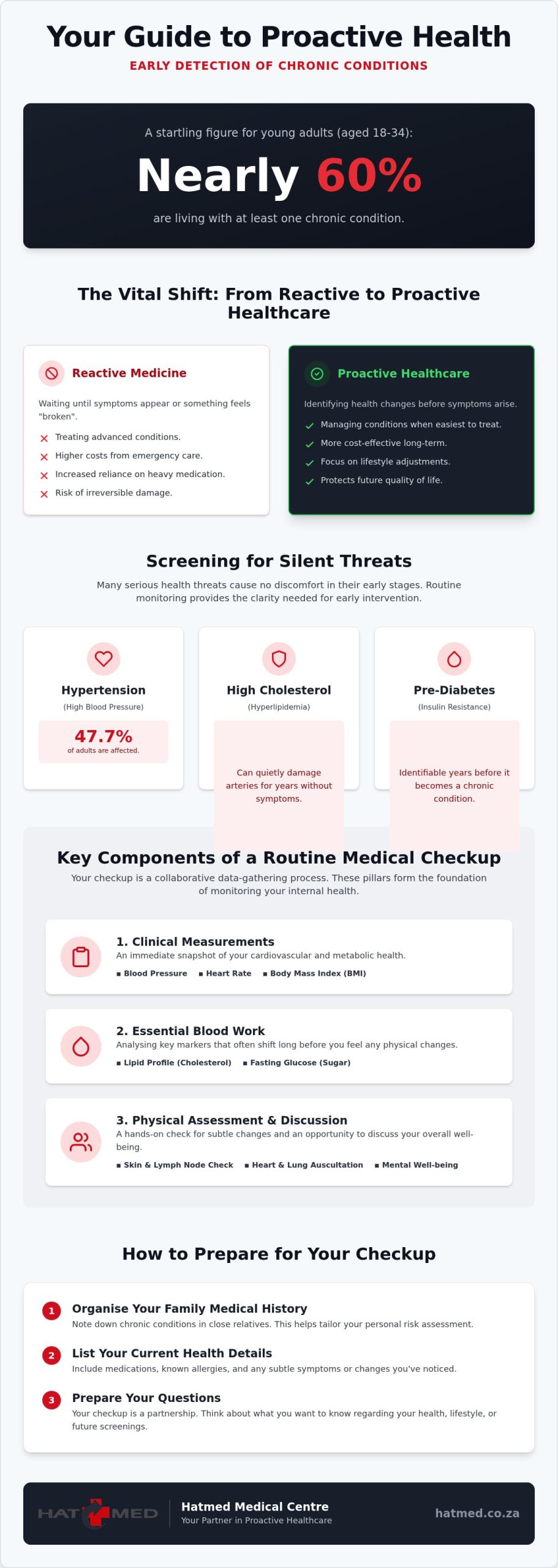
Did you know that nearly 60 per cent of young adults aged 18 to 34 are currently living with at least one chronic condition? This startling figure from 2026 data highlights why the early detection of chronic illness is no longer just a concern for later life. You likely believe that prevention is the best medicine, yet it’s easy to procrastinate when your schedule is full or when you feel uncertain about which screenings are truly necessary. We understand that the fear of silent killers like hypertension can be daunting when you’re trying to balance a busy lifestyle and family commitments.
This guide provides the clarity you need to take control of your health journey with confidence. You’ll learn how routine screenings identify hidden issues early and discover the practical steps you can take to manage your long-term wellness effectively. We will walk through the essential tests required for comprehensive health maintenance and help you organise a manageable plan for your annual checkups. Our goal is to replace confusion with a clear, supportive strategy, giving you the peace of mind that comes from a proactive partnership with your healthcare team.
Key Takeaways
- Understand the vital shift from reactive medicine to proactive healthcare to better protect your future quality of life.
- Identify the essential clinical measurements and blood tests that serve as the foundation for monitoring your internal health.
- Learn to distinguish between common lifestyle fatigue and the subtle physical changes that require the early detection of chronic illness.
- Discover how to prepare for your appointment by organising your family medical history and current health records for a clearer clinical picture.
- Explore how specialised Executive Medical Examinations can provide the deep insights necessary for effective long-term chronic disease management.
What is Early Detection and Why Does it Matter?
Early detection is the clinical practice of identifying health changes or markers of disease before you ever feel a symptom. It represents a vital shift in modern medicine, moving us away from reactive treatments toward proactive, preventative healthcare. In the past, many people only visited a doctor when something felt “broken.” Today, we understand that waiting for pain is often waiting too long. By prioritising the early detection of chronic illness, we can intervene when conditions are most manageable, which directly extends life expectancy and protects your daily quality of life.
Many of the most serious health threats are “silent” in their early stages. Conditions like hypertension, high cholesterol, and early-stage diabetes don’t usually cause discomfort until they’ve reached a critical point. Without routine monitoring, these issues can quietly damage your heart, kidneys, and blood vessels for years. Identifying these markers early allows us to work together to reverse or stall the progression of the disease through a partnership based on trust and professional guidance.
The Economic and Personal Benefits of Prevention
Choosing a preventative path is a wise investment in your future. It’s a simple reality that preventing a health crisis through regular medical screening is far more cost-effective than emergency hospitalisations or complex surgical procedures. When we catch a risk factor early, we can often address it through minor lifestyle tweaks or targeted care. This proactive approach reduces your long-term reliance on heavy medications and keeps you active in your community. We see the role of primary healthcare as a steady anchor in this process, providing the consistent oversight needed to ensure you stay on the right track for years to come.
Moving Beyond the Myth of “Feeling Fine”
One of the most dangerous misconceptions in health is the idea that “if it doesn’t hurt, it isn’t broken.” Many chronic illnesses exist in a sub-clinical stage where damage occurs without any outward signs. You might feel perfectly energetic whilst your blood sugar levels are slowly taxing your system. Routine checkups peel back the curtain, using objective data to confirm what’s happening inside your body. We don’t want you to wait for a warning sign that might arrive too late. Early detection serves as the golden window for medical intervention, giving us the best opportunity to protect your long-term wellness. This proactive mindset should also include eye health; for example, you can explore Comprehensive Eye Exams to learn how specialised screenings can identify early indicators of systemic conditions like diabetes or hypertension.
The Components of a Routine Medical Checkup
Walking into the consultation room marks the beginning of a collaborative data-gathering process. We start with the basics: your blood pressure, heart rate, and Body Mass Index (BMI). These numbers provide an immediate snapshot of your cardiovascular health and metabolic state. Whilst they might seem routine, these measurements are the first line of defence in the early detection of chronic illness. Data tells a story, and these initial figures help us identify where we need to look closer.
Blood work is another cornerstone of your visit. By analysing your lipid profile and fasting glucose, we can spot trends that indicate rising cholesterol or insulin resistance. These markers often shift long before you feel any physical change. Beyond the lab results, a hands-on physical assessment allows your GP to check for subtle changes in your skin, lymph nodes, and abdomen that blood tests might miss. Understanding the components of a physical exam helps you appreciate why we listen to your heart and lungs so closely. This time also serves as an opportunity to update your vaccinations and discuss your mental well-being, ensuring we treat you as a whole person rather than just a set of symptoms.
Screening for Silent Killers
Hypertension is often called the “silent killer” because it rarely causes symptoms until significant damage has occurred. With 47.7 per cent of adults living with hypertension according to NHANES data from 2023, regular monitoring is essential. Similarly, blood sugar monitoring can identify pre-diabetes years before it becomes a chronic condition. A primary healthcare clinic acts as a central hub for the early detection of chronic illness, coordinating these diagnostic tests and interpreting the results within the context of your lifestyle.
Personalised Risk Assessments
Your checkup isn’t a one-size-fits-all exercise. We use your family medical history to decide which screenings deserve extra attention. If a close relative has a history of heart disease, we might monitor your cholesterol more frequently. We also look at your lifestyle: how you sleep, what you eat, and how you manage stress. This tailored approach ensures that whether you’re a young professional or a retiree, your care plan is relevant to your specific life stage. For example, screenings for bone density might become a priority for seniors, whilst younger adults might focus more on reproductive health and mental resilience. If you’re ready to start this journey, you can book a general practitioner consultation to discuss your unique needs.
Identifying the Subtle Signs of Chronic Illness
It’s easy to dismiss a tired afternoon as the result of a late night or a stressful week at work. However, distinguishing between temporary fatigue and chronic exhaustion is often the first step in the early detection of chronic illness. Whilst normal tiredness usually improves with a good night’s rest, clinical exhaustion lingers regardless of how much sleep you get. This persistent drain on your energy can be a quiet signal that your body is struggling with an underlying issue, such as an endocrine disorder or an autoimmune response. We believe that listening to these small whispers from your body is the best way to prevent them from becoming loud crises.
Other subtle changes deserve your regular attention as well. Unexplained weight loss or gain, even when your diet hasn’t changed, can indicate metabolic shifts or thyroid imbalances. Similarly, persistent thirst that doesn’t go away after drinking water is a classic red flag that your body’s glucose regulation might be under strain. We also encourage you to keep a watchful eye on your skin. New moles, changes in the colour of existing spots, or unusual lumps under the skin are often best assessed during a physical examination rather than being left to chance. Most importantly, we want you to trust your intuition. If something simply “feels off,” even if you can’t quite put your finger on a specific symptom, that internal nudge is a valid reason to seek professional advice.
When Symptoms Are Not Obvious
Sometimes the signs aren’t physical in the traditional sense. Many patients report “brain fog” or a sudden difficulty in concentrating as their primary concern. Whilst often attributed to age or stress, cognitive changes can be an early indicator of nutritional deficiencies or cardiovascular issues. Minor digestive changes, such as persistent bloating or a shift in bowel habits, can also signal broader metabolic concerns. Booking a GP for routine checkups allows us to track these subtle trends over time. We can compare your current state to your previous records, catching patterns that might be invisible during a single snapshot.
The Danger of Self-Diagnosis
It’s tempting to turn to internet searches when you notice something unusual. However, relying on unverified online information often leads to unnecessary anxiety or a false sense of security. A search engine can’t synthesise your specific medical history with clinical data. Your GP provides the professional clinical authority needed to interpret your symptoms accurately within the context of your whole life. We act as your reliable expert neighbour, combining our medical expertise with your personal experience to provide reassurance and a clear, actionable path forward.
How to Prepare for Your Routine Medical Checkup
Preparation is the bridge between a simple visit and a truly effective health strategy. To help us build a clear clinical picture, start by gathering your family medical history. Knowing if close relatives have managed conditions like heart disease, diabetes, or certain cancers is a powerful tool in the early detection of chronic illness. It allows us to customise your screening schedule based on genetic risks. We also recommend documenting every medication and supplement you currently take, alongside any persistent symptoms you’ve noticed, even those that seem minor. If you’re coming in for blood work, check if you need to fast. Usually, tests for glucose and cholesterol require you to avoid food for eight to twelve hours to ensure the results are as accurate as possible.
Maximising Your Time with the Doctor
Consultations can pass quickly, so it helps to arrive with a clear plan. We suggest prioritising your top three health concerns to discuss first. This ensures we address what matters most to you before the session ends. Please be honest about your lifestyle habits, including smoking or alcohol consumption. We’re your allies, not your judges, and this information is vital for the early detection of chronic illness and assessing your specific risk factors. If we use medical terminology that feels unfamiliar, don’t hesitate to ask for clarification. We want you to leave the room feeling empowered, not confused. To make the most of your visit, you can book a general practitioner consultation and prepare your notes in advance.
The Post-Checkup Follow-up
The journey doesn’t conclude when you walk out of the consultation room. Before you leave, make sure you understand how and when you’ll receive your test results. Whilst some markers are available quickly, others might take a few days for our medical team to review and interpret. We strongly encourage booking a follow-up consultation to discuss this data in detail. This is where we transform raw numbers into a personalised wellness plan, adjusting your lifestyle or treatment as needed. Finally, keep a dedicated folder or digital file to organise your health records. Having this history at your fingertips makes future checkups even more effective and ensures a seamless transition in your long-term care journey.
Comprehensive Chronic Disease Management at Hatmed
At Hatmed Medical Centre, we don’t just identify health issues; we help you manage them with care and precision. Our approach to the early detection of chronic illness is built on the foundation of a long-term partnership between you and your GP. We guide you from your very first screening through every necessary stage of long-term care. You’re never just a number in a system here. You’re a valued member of our community, and we’re committed to being a steady, dependable ally in your personal health journey.
For those who require a truly comprehensive overview, our Executive Medical Examinations provide deep health insights that go far beyond basic screenings. These specialised assessments are tailored for individuals who need a thorough understanding of their physical state within a structured, efficient timeframe. We use the resulting data to create personalised treatment plans that align with your professional goals and personal health needs. It’s a collaborative effort designed to empower you with knowledge and provide a clear roadmap for your future wellness.
A Holistic Approach to Wellness
True wellness requires looking at the entire picture. We integrate mental health management into our physical chronic care because we know that emotional well-being and physical health are inseparable. Stress or anxiety can often exacerbate physical symptoms, and treating them together leads to significantly better outcomes. The convenience of having on-site vaccinations and routine screenings in one location simplifies your health maintenance. When you’re looking for a general practitioner near me, you deserve a medical home that offers this level of integrated, patient-centred care.
Taking the First Step Today
Establishing a health baseline is one of the most proactive choices you can make for your future self. It provides us with a vital point of comparison for all future visits, which makes the early detection of chronic illness much more effective over time. We’ve refined our booking process to be quick and straightforward, ensuring that even the busiest professionals can find time for their health without unnecessary stress. Prioritising your wellness is a long-term investment that pays dividends in your quality of life and peace of mind. Don’t wait for a symptom to appear before you take action. Reach out to us today to book your initial consultation and secure your health for the years ahead.
Securing Your Future Quality of Life
Proactive health is about more than just avoiding illness; it’s about building a partnership with a medical team that understands your unique journey. We’ve explored how routine clinical measurements and detailed blood work act as vital early warning systems for your body. By learning to identify subtle physical changes and preparing thoroughly for your consultations, you move from reacting to symptoms to actively protecting your long-term wellness. The early detection of chronic illness remains the most effective strategy we have to ensure you remain vibrant and active within your community for years to come.
As a trusted primary healthcare provider, Hatmed Medical Centre is here to support you with specialised chronic disease management and comprehensive executive health assessments tailored to your specific lifestyle needs. We invite you to book your routine medical checkup with Hatmed Medical Centre today to establish your health baseline and gain deep insights into your physical well-being. Taking this small, manageable step now provides the lasting peace of mind that your health is in expert hands. We look forward to being your reliable partner on this rewarding journey toward better health.
Frequently Asked Questions
How often should a healthy adult have a routine medical checkup?
Healthy adults should ideally schedule a routine medical checkup once every year. This annual frequency allows your GP to monitor trends in your blood pressure and weight over time. Whilst younger individuals might feel they can skip years, consistent visits are essential for the early detection of chronic illness. These regular appointments ensure that any subtle shifts in your health are caught before they develop into more serious, long-term conditions.
What are the most common chronic illnesses detected through routine screening?
Routine screenings frequently identify silent conditions that don’t present immediate symptoms. The most common chronic illnesses detected include hypertension, type 2 diabetes, and high cholesterol levels. We also screen for thyroid imbalances and certain types of cancer through physical examinations and targeted lab work. Identifying these issues early often means they can be managed effectively through lifestyle changes or minor medical interventions rather than complex, long-term treatments.
Does a routine checkup include blood tests for cholesterol and diabetes?
Yes, a comprehensive routine checkup typically includes blood tests to monitor your cholesterol and glucose levels. We look at your lipid profile to assess cardiovascular risk and measure fasting blood sugar to screen for pre-diabetes or diabetes. These tests are vital components of preventative care. They provide objective data that helps your GP understand what’s happening internally, even when you feel perfectly healthy and symptom-free.
Can a GP help with mental health concerns during a routine checkup?
Your GP is an excellent first point of contact for mental health management. During a routine checkup, we encourage you to discuss any feelings of anxiety, persistent low mood, or high stress levels. We treat mental well-being as an integral part of your overall health. Our practitioners can provide initial support, suggest management strategies, or coordinate further care to ensure you’re supported both physically and emotionally.
What should I do if I have a family history of heart disease?
If you have a family history of heart disease, you should inform your GP during your consultation. This information allows us to personalise your screening schedule and perhaps perform certain tests more frequently. We might focus more closely on your blood pressure, cholesterol levels, and lifestyle factors. Understanding your genetic risks is a critical part of the early detection of chronic illness and helps us build a more accurate preventative plan.
Are routine medical checkups covered by medical aid in South Africa?
Most medical aid schemes in South Africa provide coverage for an annual wellness or preventative screening benefit. This often includes basic measurements like blood pressure, blood glucose, and cholesterol. These benefits are usually paid from the scheme’s risk pool rather than your daily savings account. It’s always a good idea to check with your specific provider to understand exactly what your plan covers before your appointment. If you’re also evaluating your primary care options, our guide on choosing a private doctor in South Africa for GP consultation for chronic medication can help you find the right long-term healthcare partner.
Is it necessary to fast before a routine medical examination?
Fasting is often required if your checkup includes specific blood tests like a fasting glucose or a full lipogram. You’ll typically need to avoid food and drinks other than water for eight to twelve hours before your appointment. This ensures that your blood sugar and fat levels aren’t temporarily spiked by a recent meal. We’ll always confirm these requirements with you when you book your consultation to ensure accurate results.
How long does a standard routine medical checkup usually take?
A standard routine medical checkup usually takes between 20 and 40 minutes to complete. This timeframe allows your GP to conduct a thorough physical examination, review your medical history, and discuss any health concerns you might have. If you’ve booked a more specialised service, such as an Executive Medical Examination, the process will be more extensive and take longer to provide those deeper clinical insights.